Lecos Lecos
Whitepaper & Strategic Packaging Analysis

Airless Glass Bottles Manufacturer & Companies in the Switzerland Market

High-precision packaging solutions for Swiss clean beauty, alpine botanicals, and high-performance medical aesthetics.

Send Inquiry Now
Who We Are

A Decade of Packaging Excellence & Swiss Market Dedication

Lecos Glass (Lecospack) has been dedicated to the glass packaging industry for over 10 years, establishing a solid footprint in delivering premium wholesale glass bottles and jars. Our focus encompasses high-end packaging for cosmetics, perfumes, personal care, essential oils, and luxury candle jars. We pride ourselves on offering customized, bespoke glass packaging solutions tailored to meet the strict quality standards of the global skincare market.

Over the years, we have built a diverse portfolio designed to fulfill the complex regulatory and design needs of international beauty brands. Our specialized catalog includes:

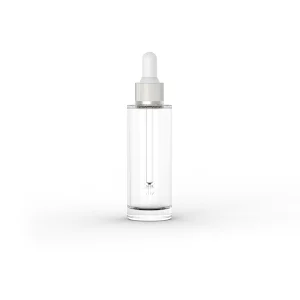
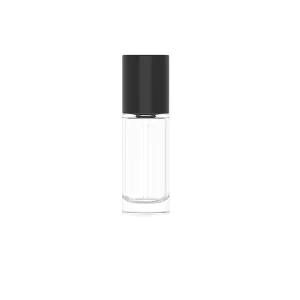
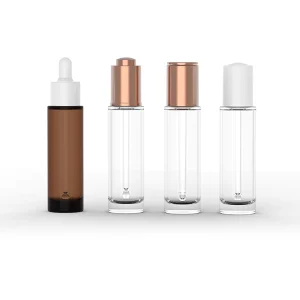
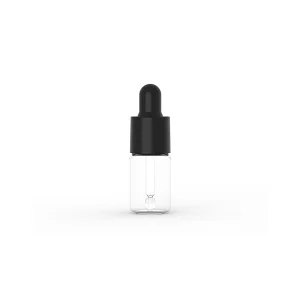
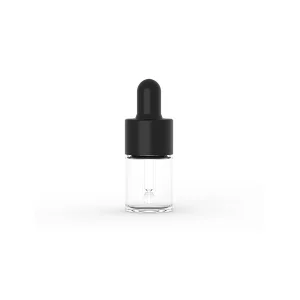
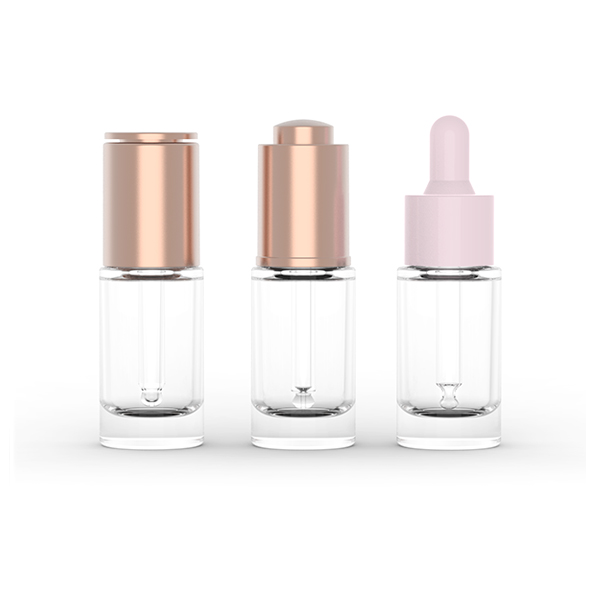
  • Fancy Dropper Bottles for Targeted Serums
  • Boston Round Bottles & Industrial Accessories
  • Medical-Grade Glass Skincare Packaging
  • Specialized Glass Bottle Tops & Dispensers
  • Premium Glass Perfume Bottles & Candle Containers
Request Custom Catalog
Lecos Glass Manufacturing Excellence

The Swiss Cosmetic Packaging Landscape & The Rise of Airless Glass Systems

A strategic analysis of preservation, sustainability, and luxury brand equity in Switzerland.

1. The Alpine Clean Beauty Paradox

Switzerland is globally renowned for its high-performance anti-aging research, cellular skincare clinics, and organic cosmetic products. Brands operating in Geneva, Zurich, and the Canton of Valais leverage alpine ingredients such as glacier water, edelweiss extract, and alpine rose stem cells. However, these natural and bioactive compounds are highly sensitive. Traditional packaging exposes these formulas to atmospheric oxygen, UV radiation, and microbial contaminants, forcing cosmetic chemists to load their formulations with synthetic stabilizers and preservatives.

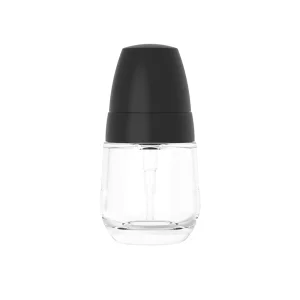
To retain their clean beauty credentials and comply with strict Swiss and EU cosmetic safety laws, brands are migrating to airless glass bottles. Unlike standard plastic pump dispensers, airless glass systems combine the chemical inertness of Type III (or Type I) borosilicate/soda-lime glass with a hermetically sealed piston or bag-in-bottle system. This mechanism completely isolates the formulation from oxygen, extending active shelf life without chemical preservatives.

2. Packaging Integrity: Plastic vs. Glass Airless Systems

While plastic (PP, PET, or PMMA) airless packaging is popular for mass-market products, premium Swiss brands demand glass for several reasons:

  • Zero Chemical Migration: Glass is completely inert. It does not react with volatile organic compounds, essential oils, or acidic formulations, preventing chemical migration and odor contamination.
  • True UV Defense: Advanced cosmetic glass can be treated with UV-blocking coatings or produced in rich amber/opaque shades to prevent photo-degradation of vitamins and retinol complexes.
  • Superior Tactile Weight: In the premium luxury market, product weight correlates directly with consumer perception of quality. Glass provides a cool, heavy feel that reinforces brand prestige.
  • Circular Economy Alignment: Under European sustainability regulations, glass is infinitely recyclable. Modern brands are adopting refillable airless glass designs where the inner plastic pouch or glass capsule is replaced, leaving the outer glass container intact.

Strategic Insight: Information Gain for Packaging Procurement Officers

When selecting a glass airless packaging system, it is vital to test the compatibility of the formula's viscosity with the pump's output rating (typically ranging from 0.1ml to 0.25ml per stroke). Formulations with high lipid contents require specialized rubber seals (such as EPDM or Nitrile) within the airless pump to prevent swelling and mechanical failure over time.

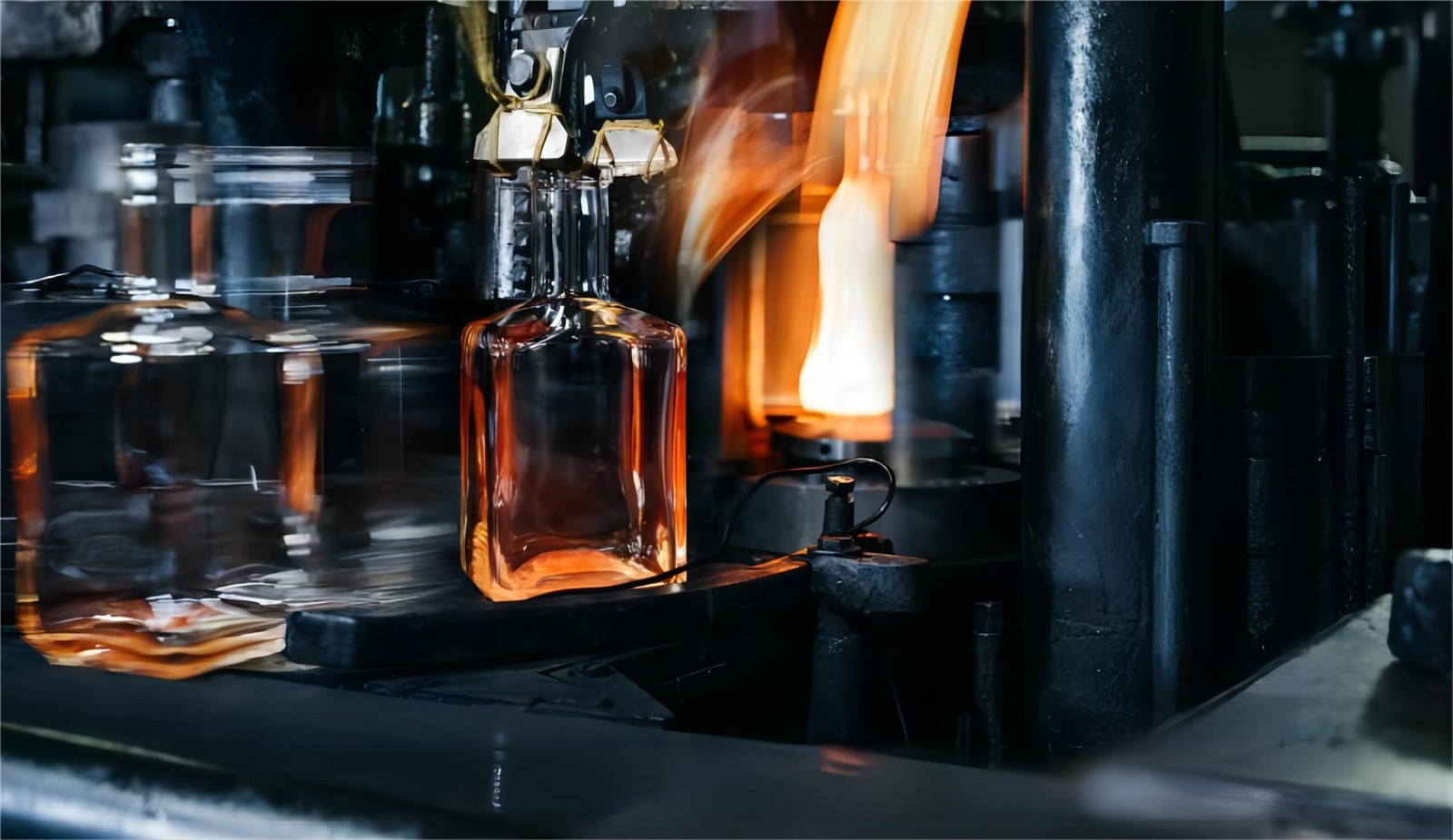
Lecos Glass Production Floor & Decoration Processing
Manufacturing Advantage

The Supply Chain Edge: Combining Chinese Scale with Swiss Quality Expectations

European cosmetic procurement operates in a highly competitive market where speed-to-market and cost efficiency must not compromise product safety. While Swiss design labs specialize in branding and formulation, regional glass production can face capacity limits and high tooling costs.

By leveraging Lecos Glass's advanced production base in China, Swiss and European brands gain a competitive edge:

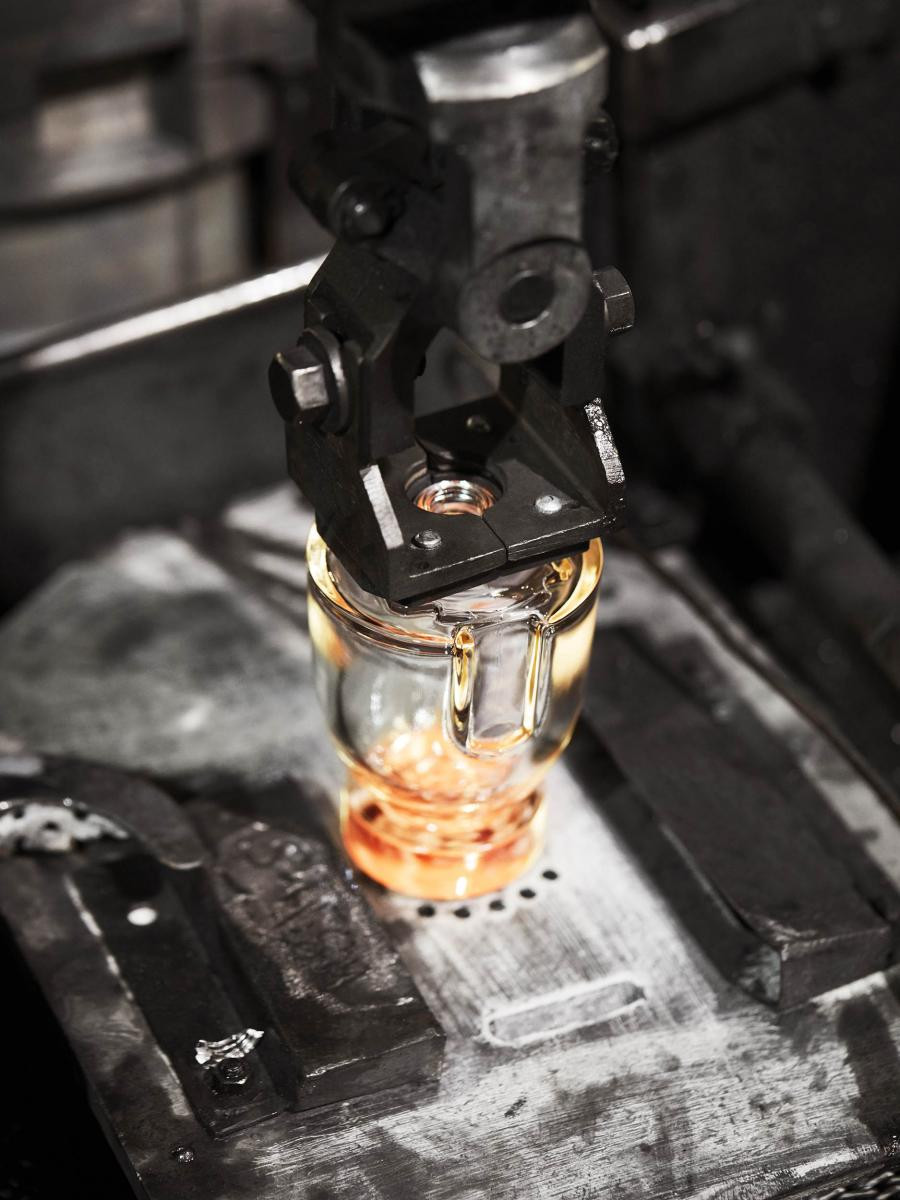
  • Automated Precision Forming: We utilize advanced IS (Individual Section) forming machines that ensure uniform glass distribution, eliminating thin spots and securing high impact resistance.
  • Class 100,000 Cleanroom Assembly: Airless pump components and cosmetic droppers are assembled in controlled dust-free environments to eliminate micro-particulates, securing safety for ophthalmic and dermatological applications.
  • In-House Surface Customization: We offer comprehensive secondary processing, including precision acid frosting, high-vacuum electroplating, organic lacquer spraying, and multi-color silk-screen printing.
  • Optimized Cost Structures: Our scale reduces the barrier for custom mold engineering, allowing brands to launch bespoke packaging contours at a fraction of the cost of domestic European producers.
10+
Years Industry Expertise
100%
QC Inspection Rate
100k
Cleanroom Assembly Class
30+
Global Luxury Partners

Localized Application Scenarios: Swiss Cosmetics Integration

How our glass airless and dropper systems solve packaging challenges for local manufacturers.

Alpine Active Preservation

Location: Valais Canton Skincare Labs

Organic formulations enriched with Alpine Edelweiss extract are highly prone to degradation when exposed to oxygen. Our airless glass bottles feature a double-wall barrier, maintaining serum potency and extending shelf life by up to 24 months without synthetic preservatives.

Clinical Cellular Therapies

Location: Geneva & Zurich Medical Spas

High-end cellular repair concentrates containing growth factors demand precise dosage. Our premium glass dropper and pump systems deliver exact micro-dosing (0.15ml per stroke) to avoid product waste while providing a luxurious application experience for patients.

Refillable Luxury Glass Jars

Location: Lausanne Bio-Tech Incubators

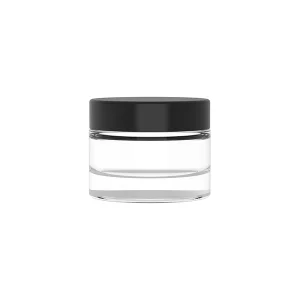
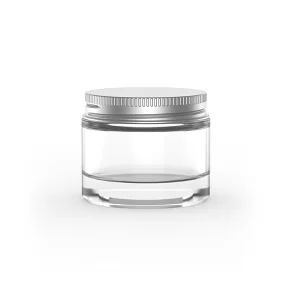
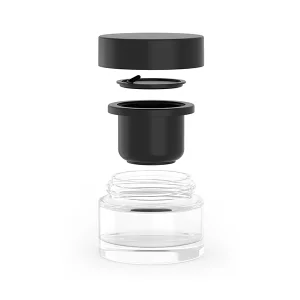
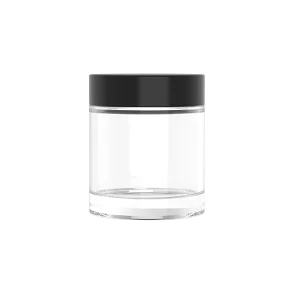
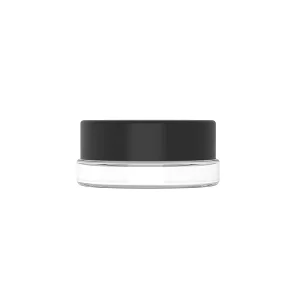
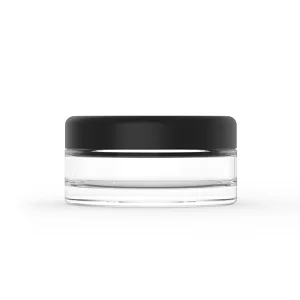
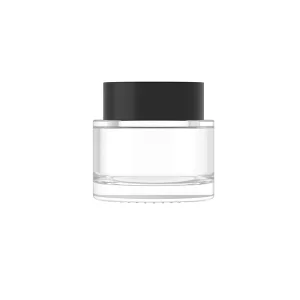
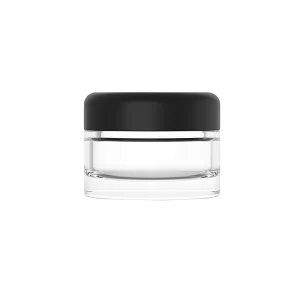
To align with European green packaging mandates, we supply refillable glass jars featuring a reusable outer glass structure paired with an inner thermoformed PCR-plastic cup. This reduces plastic waste by up to 80% while retaining the premium glass aesthetic.

Consistency & Values

Ethical Sourcing, Rigorous Quality Control & Global Compliance

At Lecos Glass, our operations are built on a solid foundation of deeply held values that steer our daily actions and corporate culture. We focus on ethical sourcing, strict adherence to global environmental regulations, and support for universal human rights. We work to mitigate environmental impacts through efficient energy management in our furnace installations and glass recycling processes.

To support global beauty brands, we ensure consistency across three core metrics:
  • High Quality: Every batch undergoes visual inspection and mechanical pressure testing to prevent cracking, leakage, and dimensional anomalies.
  • Competitive Prices: Through standardized production lines and long-term raw material supply contracts, we protect brands from volatile price spikes.
  • Excellent Service: From design conceptualization and prototype 3D modeling to ocean freight logistics and customs clearance documentation, our team handles the details.
Lecos Glass Quality Control Lab
Advanced Glass Design R&D

Global Packaging Trends & Supply Chain Risk Management

How procurement managers can secure their supply chains and reduce delivery lead times.

1. Mitigating Lead Time Volatility

In the cosmetics industry, delays in packaging delivery can disrupt production schedules and delay product launches. Standard production cycles for glass bottles range between 30 and 45 days due to the cooling speeds of glass molds. To mitigate this risk, Lecos Glass offers custom safety stock agreements for regular clients. We store semi-finished glass blanks in our warehouses, enabling rapid customization, labeling, and delivery in as little as 15 to 20 days upon contract execution.

2. Navigating Import Regulations & Quality Compliance

Importing primary packaging into Switzerland requires compliance with both Swiss Federal Food Safety and Veterinary Office (FSVO) directives and EU Regulation (EC) No 1935/2004 on materials intended to come into contact with food. This ensures the packaging does not transfer harmful substances to the formula. Our materials undergo migration screening for heavy metals (lead, cadmium, mercury, and hexavalent chromium), verifying compliance with European standards. We provide comprehensive documentation, including Certificates of Analysis (CoA), material declarations, and ISO 9001 certifications.
Lecos Glass Storage and Global Export Center

Collaboration with Premier Brands

Our products conform to the aesthetic and quality requirements of leading luxury labels.
Partner Brand
Partner Brand
Partner Brand
Partner Brand
Partner Brand
Partner Brand
Partner Brand
Partner Brand
Partner Brand
Partner Brand
Partner Brand
Partner Brand

Expert Q&A: Cosmetic Glass Packaging Strategy

Technical guidance for packaging engineers and cosmetics procurement executives.

What are your baseline wholesale prices and pricing structures?
Our prices are subject to change depending on material raw costs, exchange rates, and order volume. Please contact our team with your annual volume forecasts to receive an updated price matrix, customized tooling costs, and shipping rates for the European market.
Do you enforce a minimum order quantity (MOQ) for custom glass lines?
Yes, we require ongoing minimum order quantities for international shipments to maintain production line efficiency. Standard MOQs for catalog bottles start at 10,000 units, while customized molds, custom color sprays, or electroplated runs typically require 20,000 units. For smaller testing volumes, please contact our team to discuss stock availability.
Can you provide full regulatory documentation for the Swiss and EU markets?
Yes, we provide essential documentation to support compliance, including Certificates of Analysis (CoA), Certificates of Conformance (CoC), material declarations, heavy metal testing certificates, food-contact compliance declarations, and origin documents for custom clearance.
What is your typical production and logistics lead time?
Prototype samples with custom decorations take approximately 7 to 15 days. Mass production averages 20 to 30 days post-deposit payment and final design sign-off. Transit time via ocean freight to European base ports (like Rotterdam or Genoa) is roughly 30 to 35 days, while air/rail freight options are available for faster delivery.
What payment terms do you offer for international orders?
Our standard payment terms are a 30% deposit in advance via bank wire transfer (T/T), with the remaining 70% balance due against the copy of the Bill of Lading (B/L). We also accept Letter of Credit (L/C), Western Union, and PayPal for prototype sampling orders.
How does your company handle product warranties and defects?
We guarantee the quality of our materials and workmanship. Every shipment includes a QA report. If transit damage or functional defects exceed the agreed AQL limit, we investigate the root cause and provide replacements or credits. Our priority is maintaining long-term partnerships through reliable quality assurance.
How do you ensure safe transit of fragile glass shipments?
We pack our glass bottles in customized modular grid cartons stacked on heat-treated export pallets and wrapped in multi-layer shrink film. For high-value finished bottles, we pack them in individual cell dividers or custom thermoformed trays to prevent surface abrasion during transport.
How are shipping and customs logistics fees handled for Swiss deliveries?
Shipping fees depend on the chosen transport mode, volume, and weight. We offer FOB, CIF, DDU, and DDP terms. If you operate your own global logistics network, we coordinate with your Swiss freight forwarders to optimize consolidation at the port of departure.
How do you verify chemical compatibility between glass containers and cosmetic formulas?
While glass is chemically inert, compatibility testing is essential for the pump's gaskets, valves, and pistons. We recommend compatibility testing with your formula under accelerated temperature conditions (37°C to 45°C for 8 to 12 weeks) to monitor pump mechanics and ensure no leakage or discoloration.
What ecological benefits do your refillable airless glass bottles offer?
Our refillable systems feature a reusable outer glass bottle paired with a replaceable internal plastic cartridge. When the product is finished, the consumer replaces only the lightweight inner cartridge, reducing plastic use. The outer glass bottle can be reused multiple times, aligning with eco-design principles.

Start Your Custom Packaging Project Today

Leverage our 10+ years of industrial glass manufacturing to scale your brand's presence in the Swiss and global luxury skincare markets.
Send Inquiry Now Browse Technical Airless Range