 Lecos
Lecos
Executive Summary: The Structural Shift Toward High-Performance Glass Packaging
In the contemporary global skincare market, high-quality glass lotion jars represent more than mere containers—they are vital vectors of brand equity, chemical preservation, and environmental stewardship. Modern dermatological formulations, which routinely contain active components such as retinol, L-ascorbic acid, and peptides, require packaging with exceptional chemical resistance and gas-barrier properties. While synthetic polymers suffer from gas permeability and chemical leaching risks, soda-lime and borosilicate glass remain the absolute gold standard for preserving premium active cosmetic complexes.
This comprehensive B2B industry whitepaper provides an expert-level analysis of the supply-chain trends, manufacturing advancements, and technical metrics that purchasing directors and product developers must evaluate when selecting a manufacturing partner for cosmetic glassware.
Chapter 1: The Global Evolution of Glass Lotion Jars & Market Trends
1. The Transition to Circular & Eco-Friendly Design
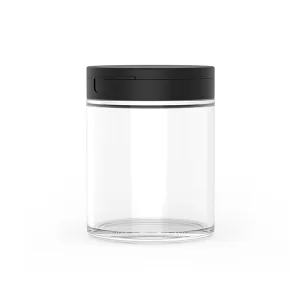
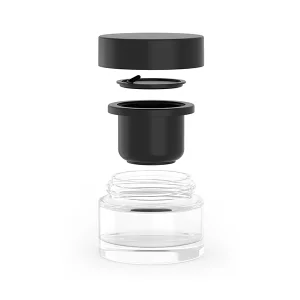
Global environmental mandates and heightened customer awareness have triggered a massive shift toward circular economies. In cosmetic glass packaging, this shift is manifested in two major trends: Post-Consumer Recycled (PCR) glass integration and refillable glass jar systems. By combining structural exterior glass jars with removable, recyclable thermoplastic inner pods, luxury brands are effectively offering sustainable luxury. The heavy glass exterior remains a permanent vanity centerpiece, while only the lightweight inner core is discarded and replaced.
2. Advanced UV-Blocking and Light Protection
Ultraviolet (UV) rays are highly destructive to natural ingredients, botanical extracts, and bioactive peptides. Manufacturers utilize specialized transition-metal dopants (such as cobalt, iron, and manganese oxides) during the glass melting phase to create amber, deep cobalt blue, or opaque black glass. These formulations selectively block light transmittance in the 200–400 nm wavelength range, safeguarding photosensitive skincare products from oxidative degradation.
3. Minimalist Geometry and Tactile Finishes
Design semantics in the prestige beauty segment favor clean lines, heavy bases, and multi-sensory experiences. Frosted textures (achieved via chemical acid etching or eco-friendly water-based spraying), matte gradients, and custom metallized finishes are driving growth in the high-end skincare sector. Consumers associate the weight and cool touch of high-clarity flint glass with medical-grade efficacy and premium craftsmanship.
Chapter 2: Global Enterprise Procurement Demands
For global procurement managers representing mid-to-large cosmetics groups, selecting a packaging partner requires balancing performance metrics, regulatory compliances, and supply-chain stability. The primary considerations include:
Chemical & Physical Compatibility Testing
Glass must undergo comprehensive compatibility studies with lotion formulas. Critical criteria include evaluating extraction levels of alkali ions, stress crack resistance of plastic pump components, and vacuum tightness to eliminate leakage during air transport.
International Regulatory Compliance
Premium glassware manufacturers must maintain certifications including FDA food-contact safety compliance, EU Regulation (EC) No 1223/2009, heavy metal content limits (CONEG/TPCH), and ISO 9001:2015 quality management systems.
Logistical Risk Mitigation
Enterprise buyers demand robust export packing configurations. This requires double-wall corrugated shipping boxes, custom plastic pallets, thermal-shrink wrapping, and specialized cushion dividers to completely eliminate micro-fractures during maritime or air transit.
Chapter 3: China Factory 4.0: Supply Chain Resilience & Cost-Efficiency
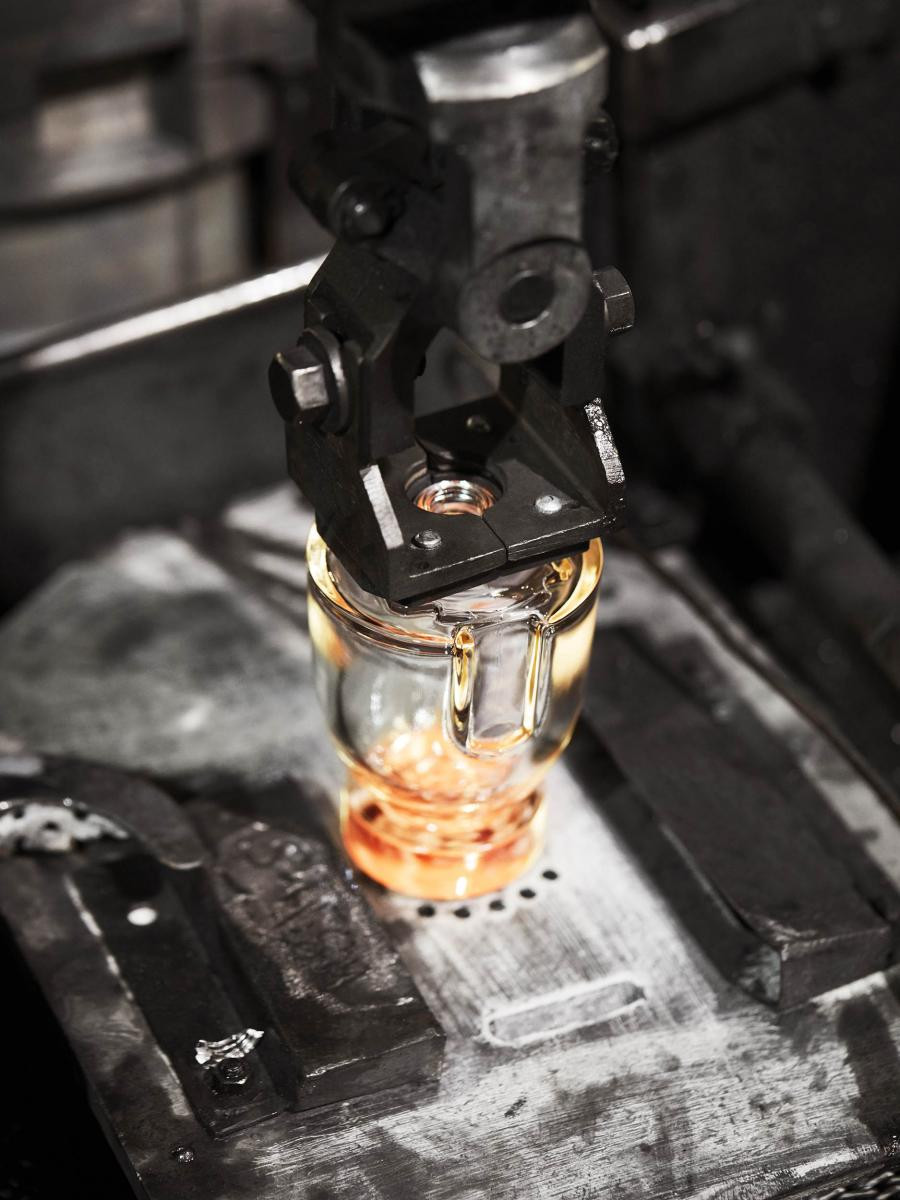
China's glass packaging industry has transitioned from labor-intensive operations to automated **Factory 4.0** ecosystems. This structural upgrade offers distinct advantages to international brands seeking reliable manufacturing at scale:
- Integrated Production Loops: Modern Chinese manufacturing clusters group glass molding, automatic spray coating, screen printing, and closure assembly within a tight geographical radius. This integration dramatically reduces transport costs and internal lead times.
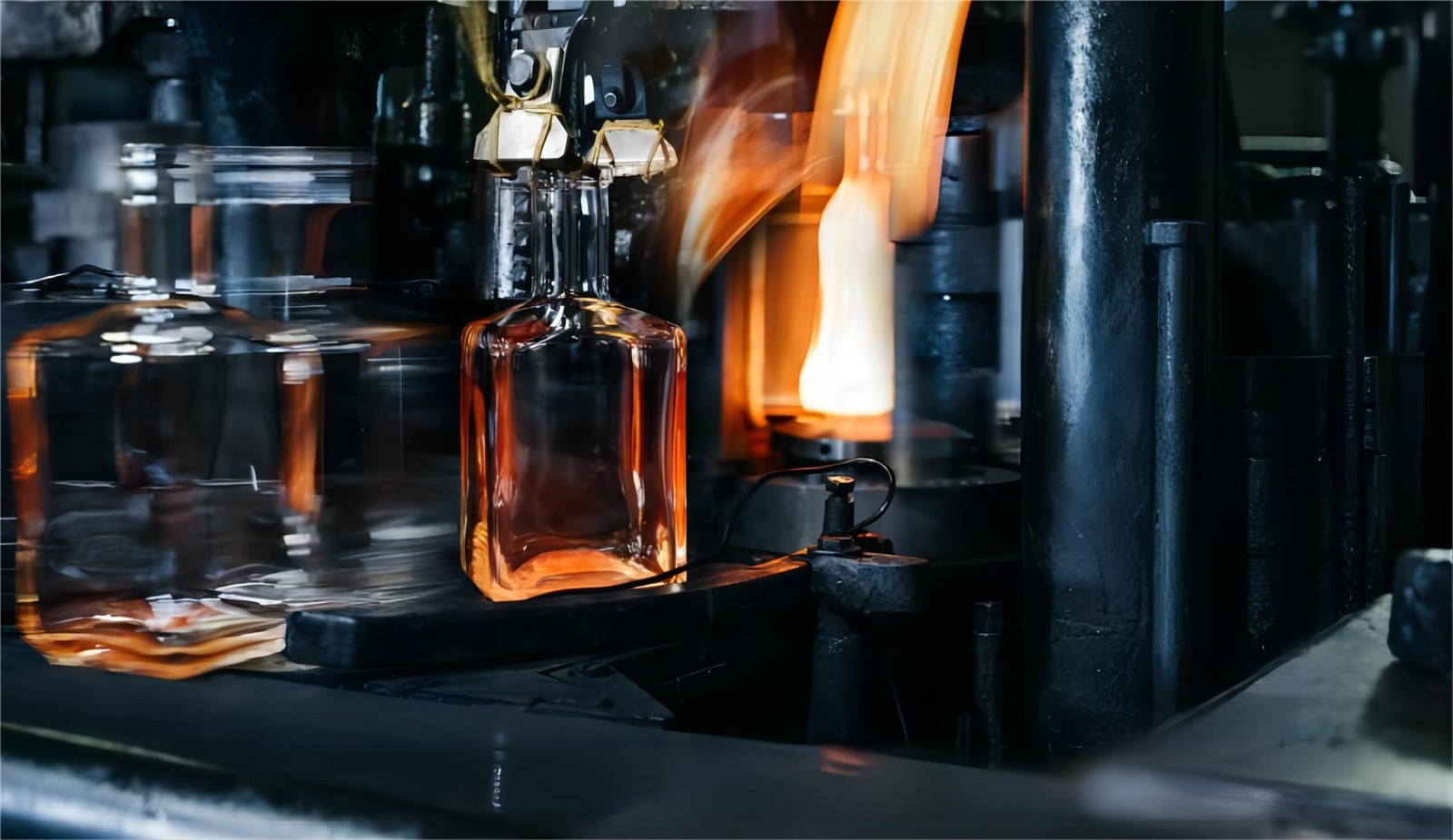
- Advanced Automated QC: High-speed optical inspection systems utilize AI machine vision to scan every jar on the conveyor line. These systems automatically detect micro-bubbles, asymmetrical glass distributions, thread deformities, and cosmetic scratches at speeds exceeding 150 units per minute.
- Energy-Efficient Electric Melters: Transitioning from traditional heavy-oil furnaces to electric-arc and clean natural gas hybrid furnaces significantly reduces the carbon footprint per glass jar, directly aligning with the sustainable procurement objectives of major global brands.
Material Specifications & Custom Processing
Our industrial production capabilities cover a broad range of custom processes designed to translate a brand's unique identity onto physical glass. Lecos Glass provides professional, high-precision customization services:
• Acid Frosting: Provides a luxurious, soft-touch matte finish.
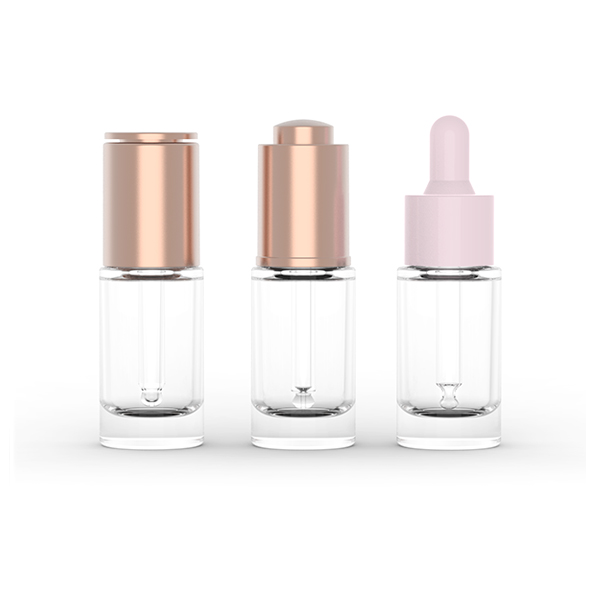
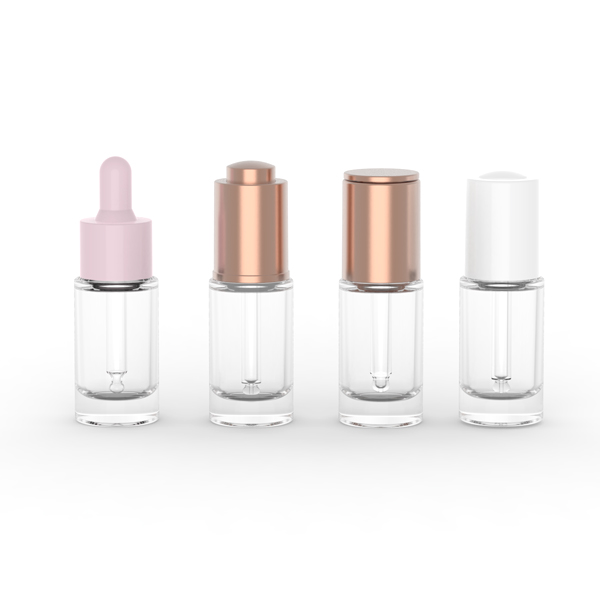
• Electroplating: Deposits a brilliant metallic layer (gold, silver, rose gold) for high-end prestige collections.
• Water-Based Lacquer Spraying: Multi-color gradient effects using eco-friendly, low-VOC formulations.
• Silk-screen Printing & Hot Stamping: Ultra-precise multi-pass printing for crisp typography and metallic logos.
Chapter 4: Localized Industrial Scenarios & Application Matrix
Skincare preferences and regulatory frameworks vary across regions, dictating specific design paradigms for glass packaging:
1. North American Markets (Clinical & Clean Beauty)
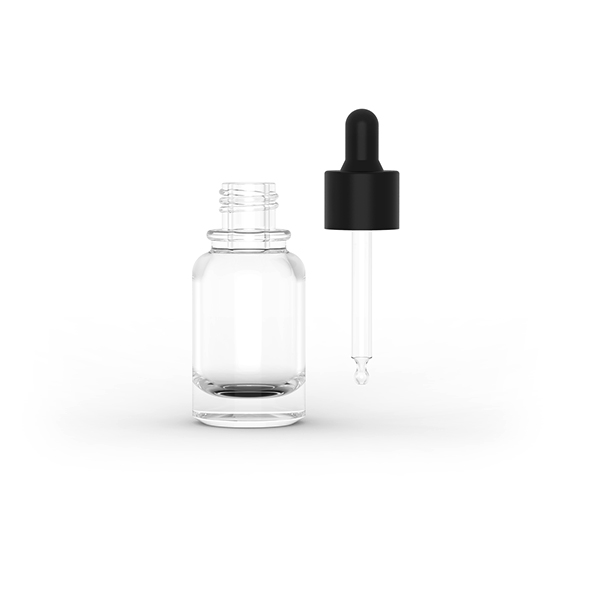
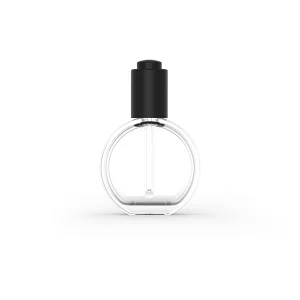
In North America, there is strong demand for clean, clinical, dermatologically backed packaging. Amber glass dropper bottles and heavy-base cosmetic jars with minimal decoration dominate the market. Brands demand extensive compatibility documentation and batch-level traceability to appeal to safety-conscious consumers.
2. European Union (Prestige, Luxury & Circularity)
EU packaging regulations demand minimized waste. Consequently, European beauty groups prioritize refillable cosmetic glass containers with recyclable thermoplastic inserts, lightweight glass profiles, and low-temperature organic inks for decoration to facilitate easier recycling stream separation.
3. Asia-Pacific Markets (K-Beauty & Innovation)
Driven by rapid innovation cycles in South Korea and Japan, the APAC region favors highly creative geometries. This includes multi-chamber glass bottles, capsule-shaped jars, and whimsical color gradients. Suppliers must offer quick prototyping services, custom mould creation, and short lead times to support fast-paced product launch cycles.