 Lecos
Lecos
Lecos
Lecos
Precision-molded glass packaging engineered to preserve stability and optimize modern consumer brand identity.
An Industrial Analysis on Structural Integrity, Chemical Compatibility, and Environmental Sustainability
Within the global packaging value chain, premium glass stands as the definitive benchmark for product safety, compatibility, and luxury. As global regulatory bodies enforce stricter regulations on volatile organic compounds (VOCs) and microplastic leaching, pharmaceutical, cosmetic, and premium personal care brands are accelerating their transition back to high-grade glass container setups. This whitepaper analyzes the deep engineering configurations, material pathways, and strategic supply chain dynamics defining high-quality glass jars and bottles.
The global glass packaging market is undergoing a major structural evolution. Valued at over USD 65 billion and projected to grow at a CAGR of 4.5% through 2030, the demand is heavily propelled by the cosmetic and premium food/beverage industries. Driving this expansion is the global push for circular economy practices. Glass packaging is infinitely recyclable without losing its purity or structural characteristics, which aligns perfectly with modern Environmental, Social, and Governance (ESG) mandates.
Modern consumers demand packaging that not only looks luxurious but also actively minimizes ecological footprints. This shifting intent has caused brands to transition away from complex multilayered plastics—which are difficult to recycle—and opt for clean glass solutions. Moreover, the integration of post-consumer recycled (PCR) glass into standard melting furnaces has emerged as a key technology, reducing energy consumption and lowering Scope 1, 2, and 3 carbon emissions during manufacturing.
From a chemistry perspective, glass is an amorphous solid composed primarily of silicon dioxide (SiO₂), sodium oxide (Na₂O), and calcium oxide (CaO). Unlike plastics, which are prone to gas permeation, chemical migration, and degradation when exposed to formulations with high concentrations of active ingredients, glass offers an absolute chemical barrier. It is completely impermeable to oxygen, moisture, and carbon dioxide, preventing oxidation of delicate skincare formulas, essential oils, and premium cosmetic emulsions.
Translating Brand DNA into Exquisite, High-Performance Physical Vessels for Over a Decade
Lecos Glass has been dedicated to the glass packaging industry for over 10 years, designing and manufacturing innovative wholesale glass bottles and jars for cosmetics, perfumes, personal care products, essential oils, and premium candle jar configurations. We pride ourselves on our ability to offer bespoke glass designs tailored to our clients' precise architectural and brand requirements. We maintain a diverse inventory of shapes, sizing specifications, and specialized closures.
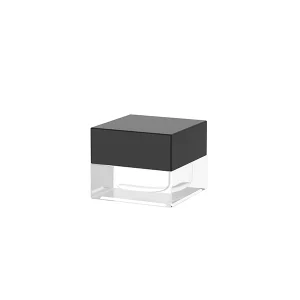
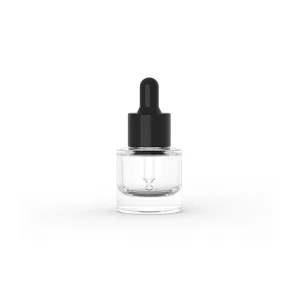
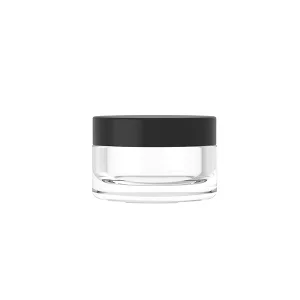
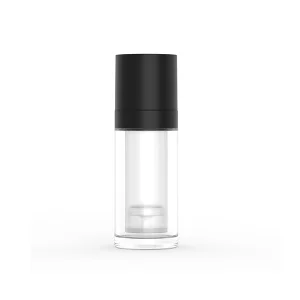
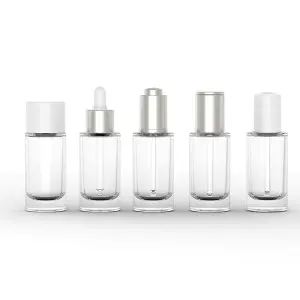
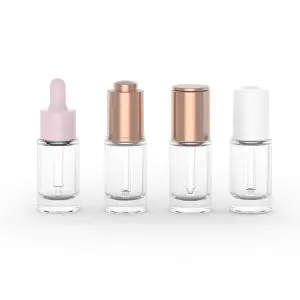
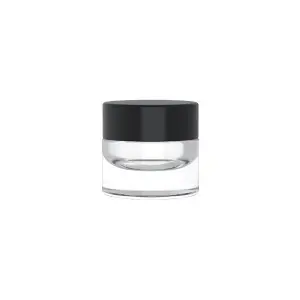
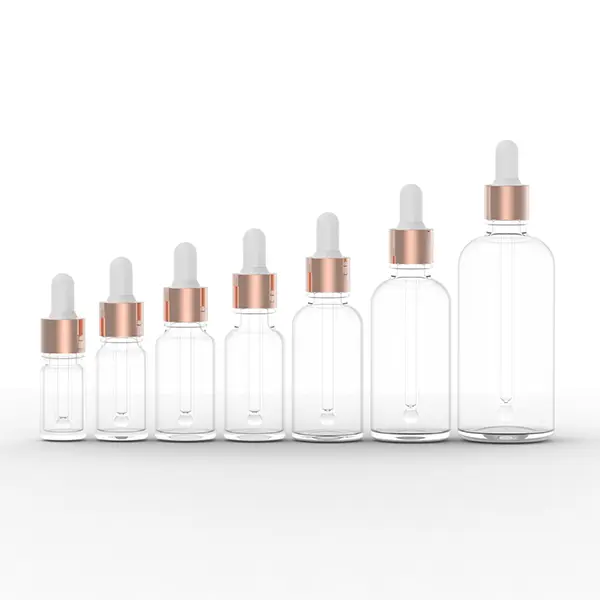
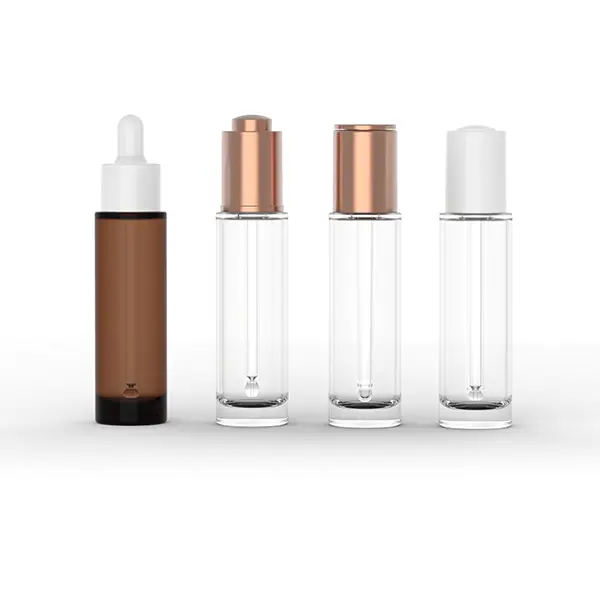
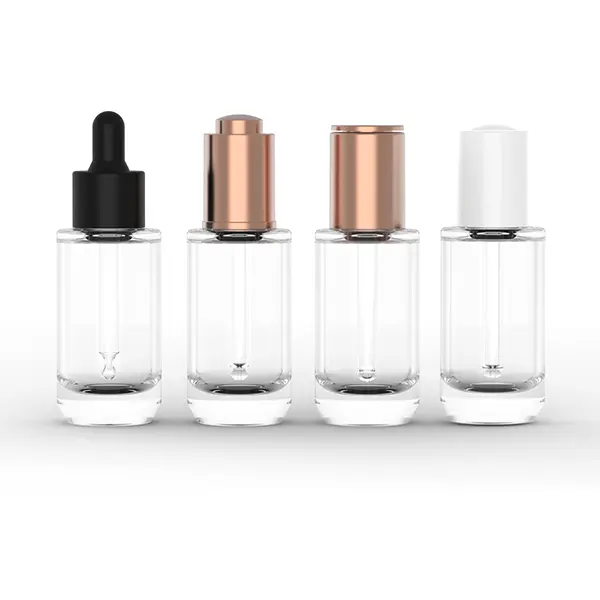
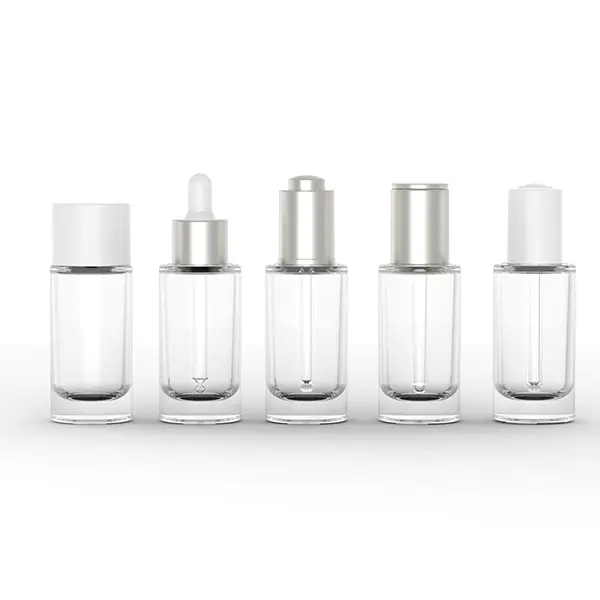
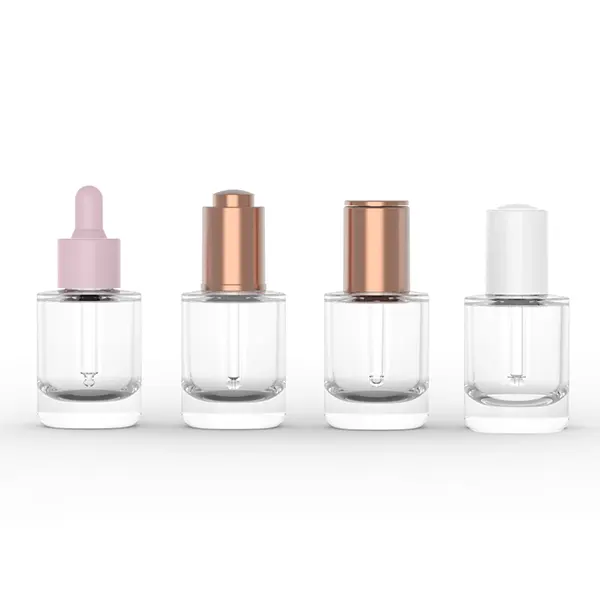
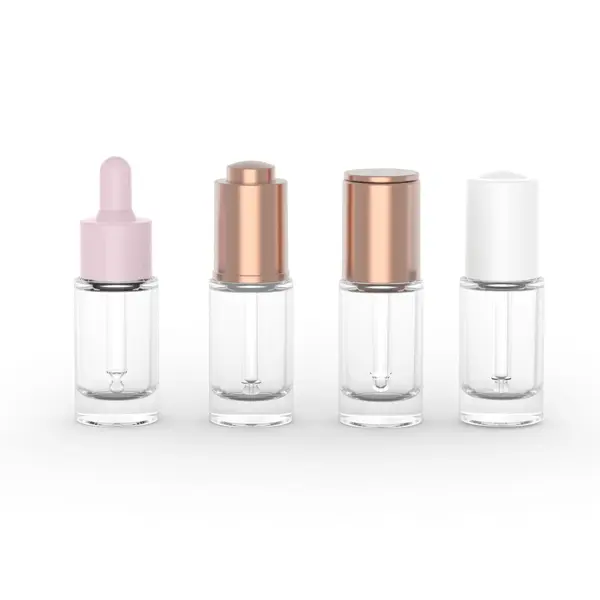
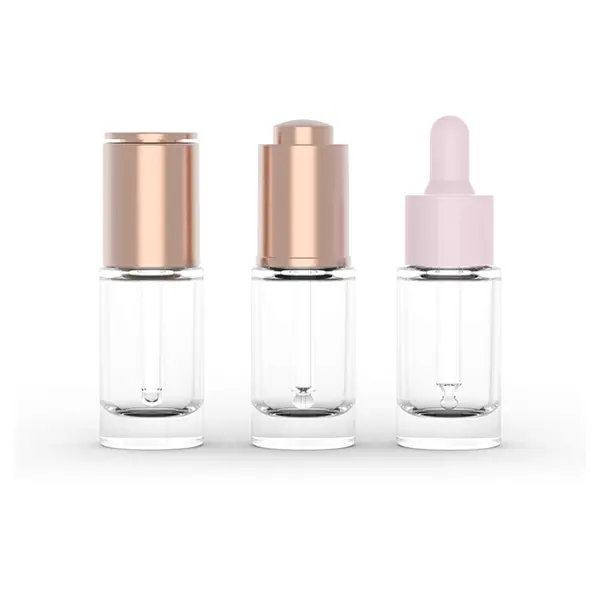
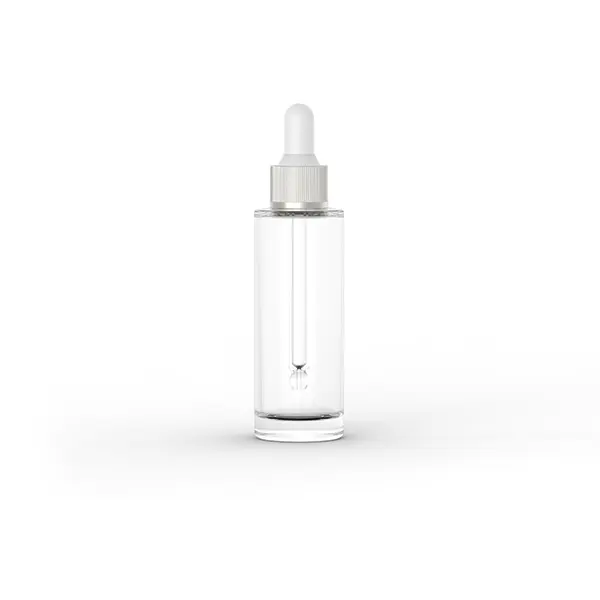
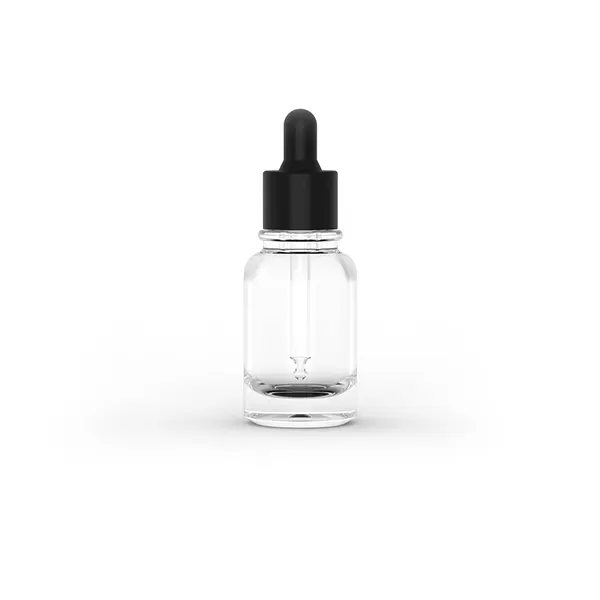
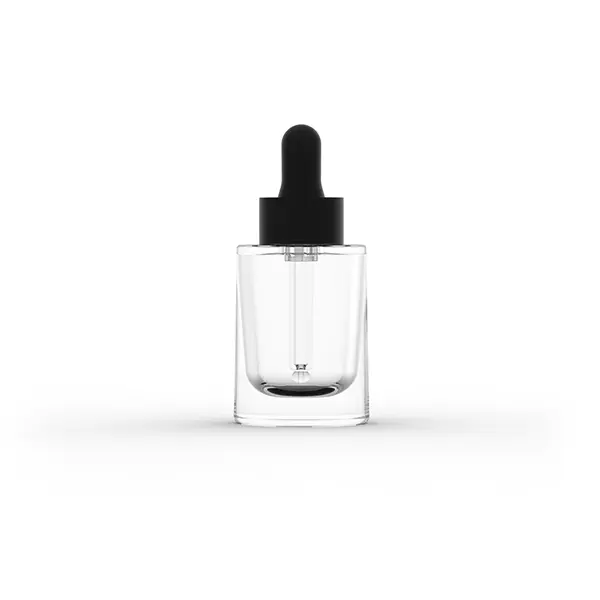
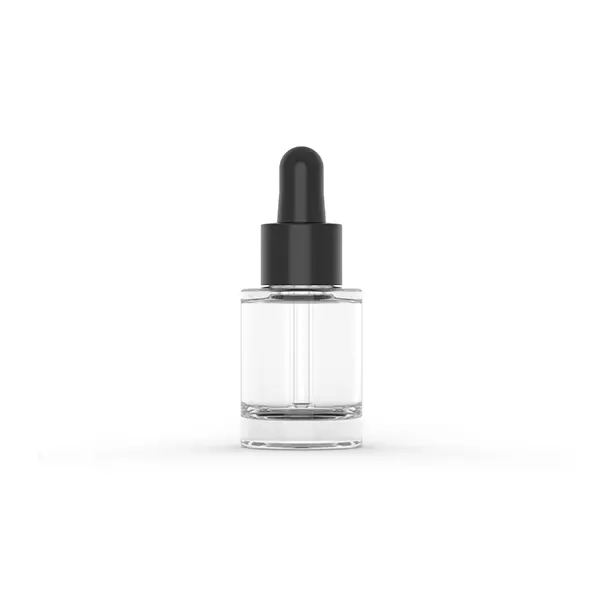
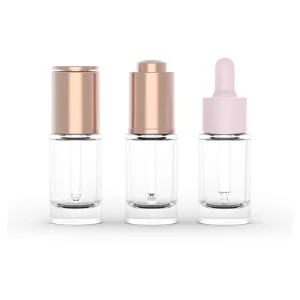
Our product portfolios focus on premium categories: Fancy Dropper Bottles, Boston Round Bottles & Accessories, Glass Skincare Packaging, Glass Bottle Tops & Accessories, Glass Perfume Bottles, and Wholesale Candle Jars.

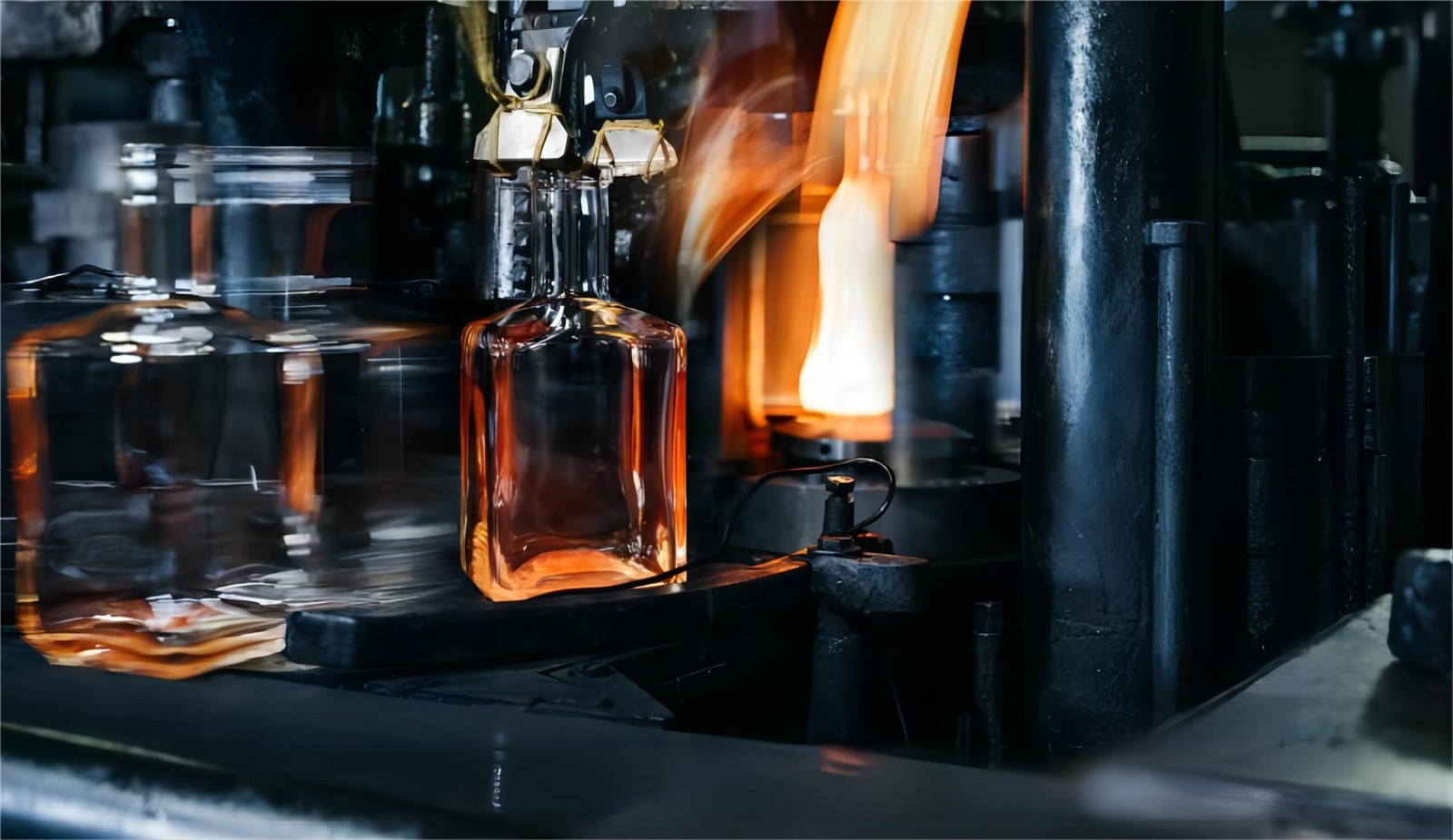
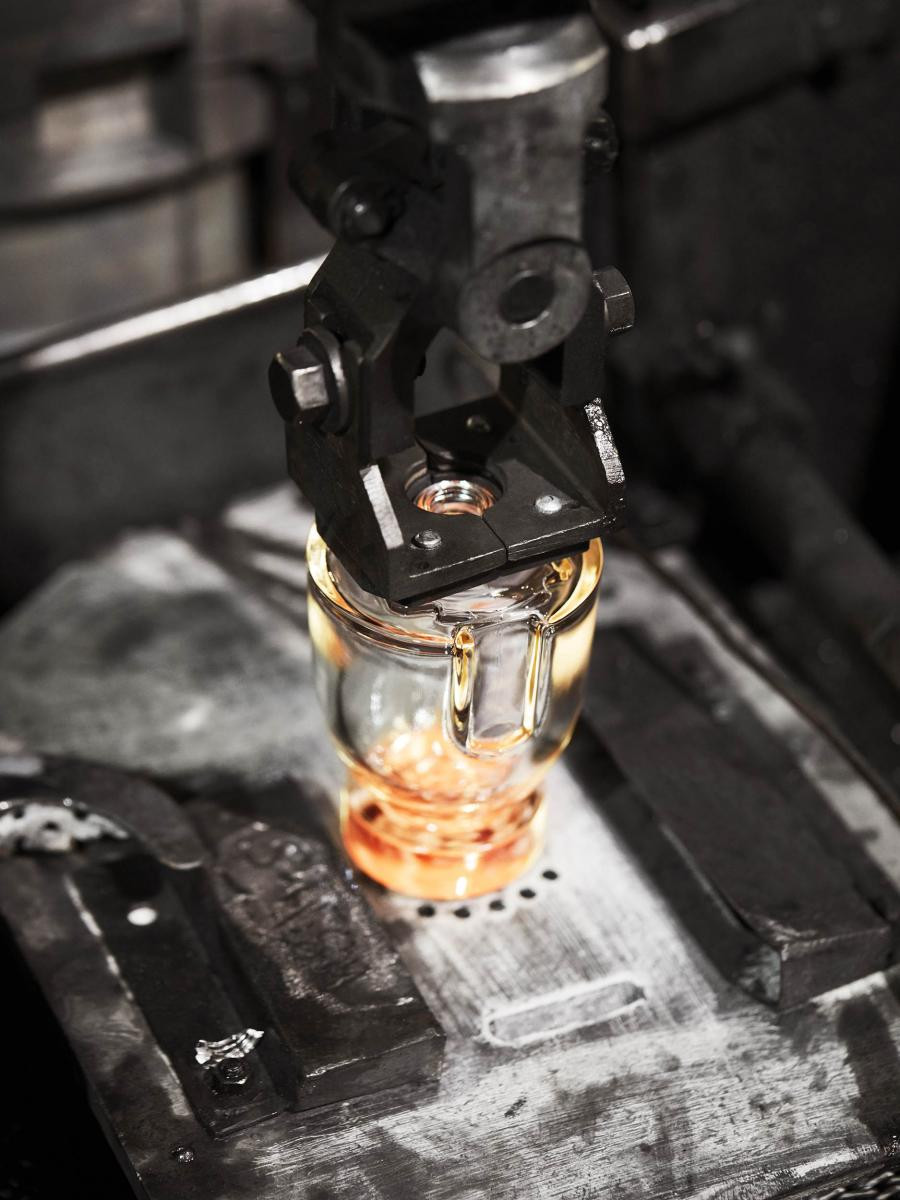
Lecospack provides professional, end-to-end glass cosmetic packaging solutions for worldwide customers. By leveraging years of specialized manufacturing experience, we deliver stable, cost-effective, and highly customized packaging structures that reflect each brand's unique identity. The quality of our glass is strictly controlled through multi-point optical and automated inspection systems at the hot and cold ends of our production lines.
Beyond baseline molding, we specialize in high-end, customized deep processing services to enhance the tactical and visual appeal of our vessels, including:
Navigating Quality Control Standards, Logistics, and Supply Chain Risk Mitigation
For international supply chain managers and global procurement executives, sourcing glass packaging involves navigating complex lead times, regulatory compliance, quality metrics, and transport logistics. Ensuring product consistency across large production runs requires a clear understanding of glass defects, testing protocols, and supplier management frameworks.
Under ISO 9001 and standard AQL (Acceptable Quality Limit) parameters, glass jars are categorized into critical, major, and minor defects. Critical defects (e.g., birdswings, split finishes, stones, or internal glass spikes) compromise structural integrity or safety and require rejection of the entire batch. Major defects (e.g., seed bubbles, check scars, or cosmetic deviations outside tolerance zones) affect fill lines or label applications, while minor defects represent minor visual variations. Lecos Glass applies strict automated optical inspection (AOI) to keep defect rates below industry standards.
Cosmetic and pharmaceutical glass packaging must comply with global safety standards, including FDA regulations, EU Regulation (EC) No 1223/2009, and heavy metal limits (e.g., Lead, Cadmium, Mercury, and Hexavalent Chromium levels below 100 ppm combined, as mandated by CONEG and EU packaging directives). High-quality manufacturers provide comprehensive Certificates of Analysis (CoA), material safety data sheets, and food-contact compliance declarations with every shipment.


Our company is built on a solid foundation of deeply held values that set us apart, steer our actions, and infuse every aspect of our corporate culture. These values are not just words; they are the principles that guide how we operate daily. Central to our business practices are our unwavering commitment to social responsibility, adherence to ethical standards, and steadfast support for universal human rights. We are also dedicated to protecting the environment and making a positive impact in the communities where we live and work. We believe in fostering creativity and innovation, celebrating and embracing the richness of diversity, and treating our employees with the utmost respect and care. By upholding these values, we ensure that our company remains a responsible, ethical, and inspiring partner to work with.
A Visual Tour of Our High-End Glass Manufacturing, Decoration, and Storage Capabilities
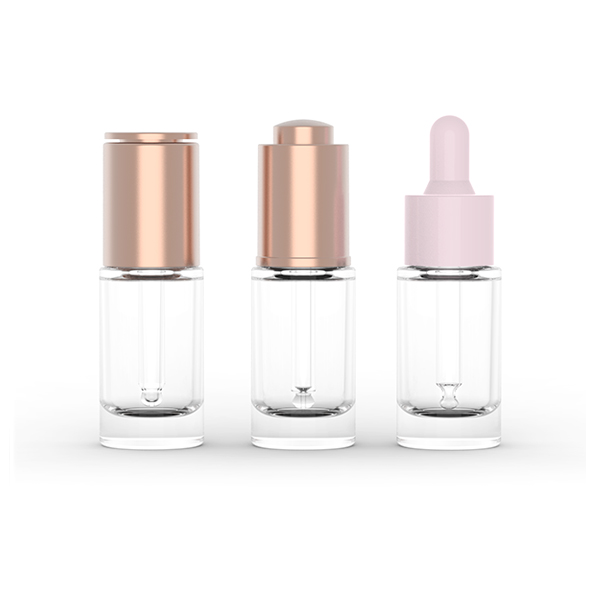
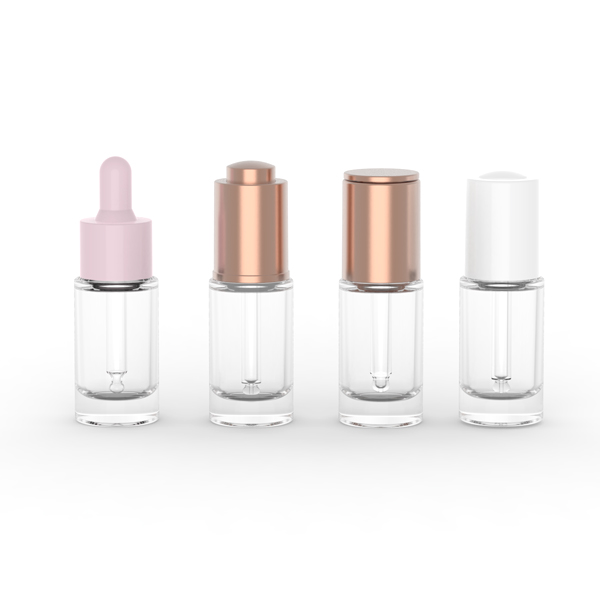
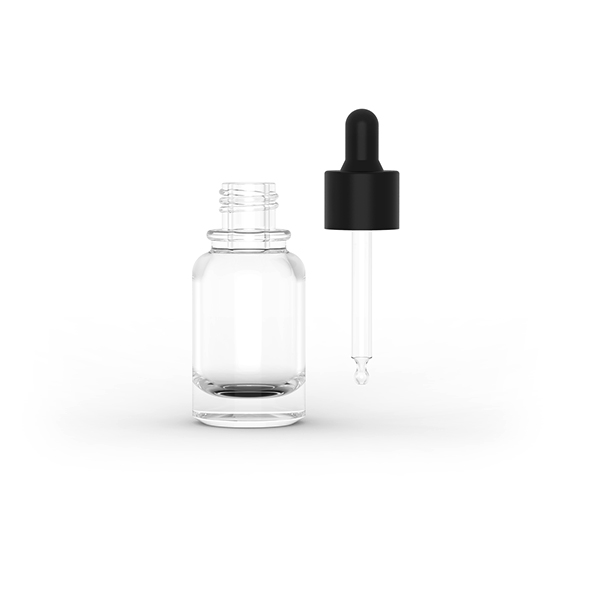
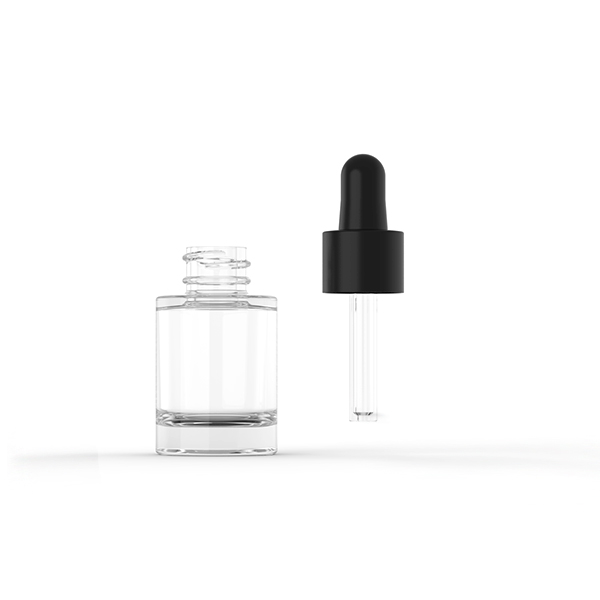
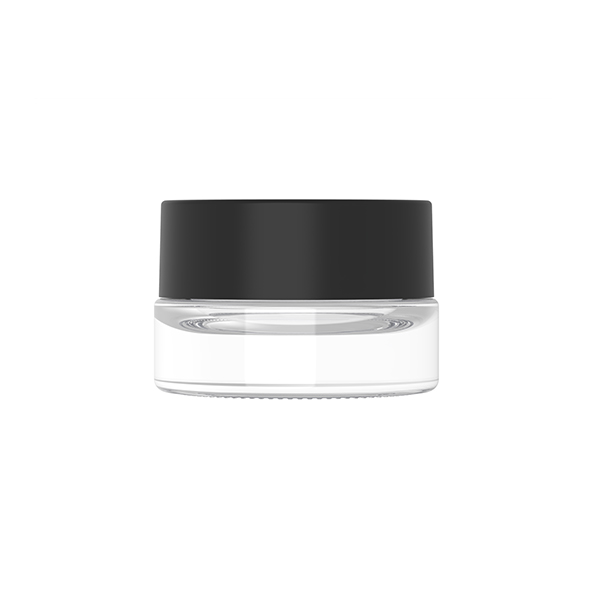
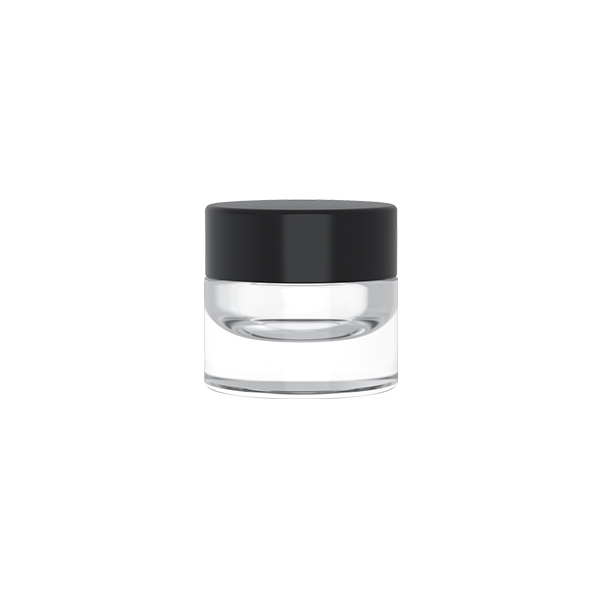
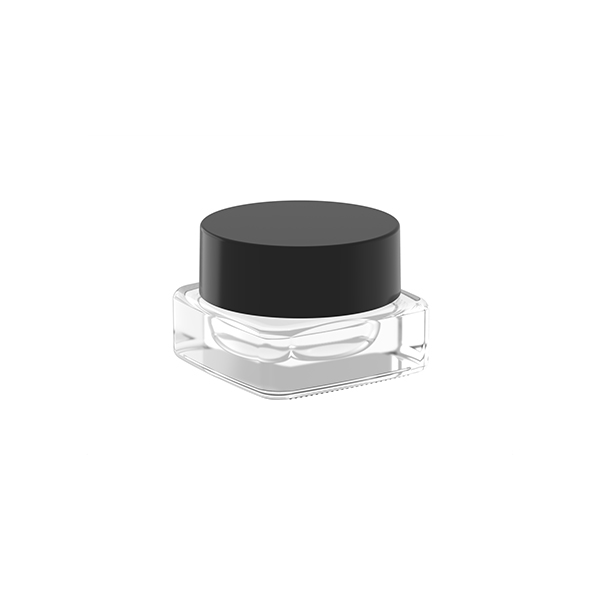
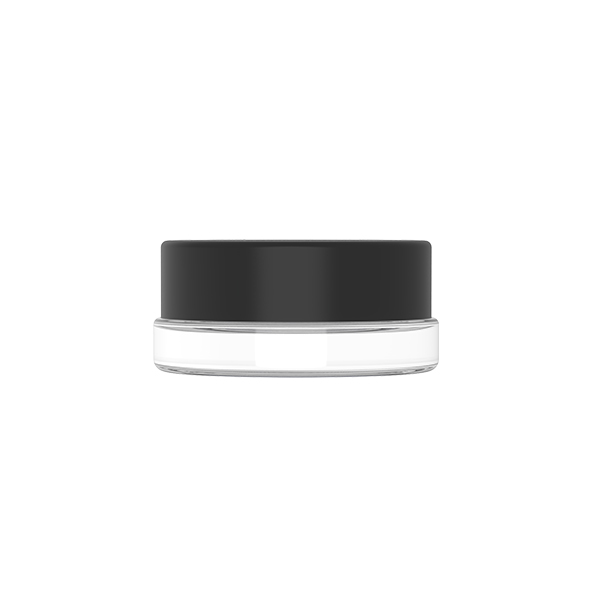
Aesthetic Excellence Inspired by Global Luxury Brands. Designed for High Performance.
Decarbonization, Weight Reduction, and Circular Economy Adaptations in Modern Glass Manufacturing
As international consumer groups focus on environmental sustainability, high-volume glass manufacturers must adapt. Production strategies now heavily incorporate decarbonization initiatives and advanced glass weight reduction techniques.
Narrow Neck Press and Blow (NNPB) technology has revolutionized the glass manufacturing landscape. By pressing the glass paste instead of blowing it inside the molds, glassmakers can achieve a highly uniform wall thickness. This allows for wall weight reductions of up to 30% without sacrificing mechanical strength or thermal shock resistance. Minimizing glass weight reduces the raw material required per bottle, which in turn reduces shipping-related carbon emissions.
Utilizing high-purity recycled glass (cullet) in melting operations lowers the overall furnace temperatures required for melting silica sand. For every 10% of PCR cullet added to the batch, energy consumption decreases by approximately 2.5% to 3%, and CO₂ emissions are reduced accordingly. Navigating the limits of color stability (maintaining clear flint glass standards) when using high-ratio PCR cullet is a key technical focus area.
To deliver fully sustainable packaging, glass bottles must be paired with eco-friendly closure systems. Premium manufacturers are developing cap assemblies made from Post-Consumer Recycled PP/PE, aluminum, or bio-composite woods. Refillable designs with thread profiles that allow consumers to unscrew the pump components for separate recycling are quickly becoming the industry standard.
Comprehensive Glass Packaging Varieties for Skincare, Aromatherapy, and Luxury Fragrances
Our custom packaging designs support major luxury, retail, and pharmaceutical cosmetic brands worldwide.










Our complete collection of pharmaceutical-grade, heavy-base cosmetic jars and amber-tinted protection vials.
Professional Sourcing Guidance, Ordering Requirements, Lead Times, and Security Declarations