 Lecos
Lecos
Lecos
Lecos
Explore our flagship selections designed to meet premium aesthetics and rigorous compatibility requirements.
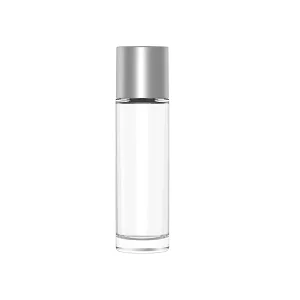
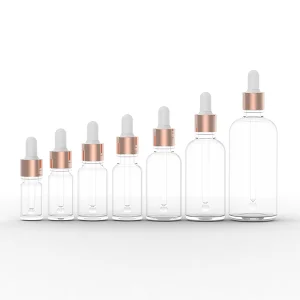
An engineering analysis of material interaction, flocking design, wiper precision, and formula containment.
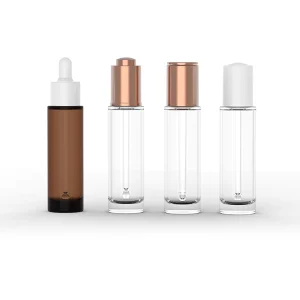
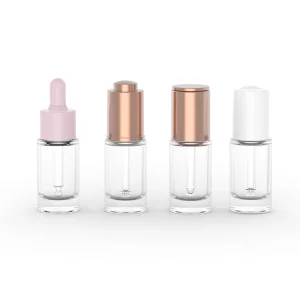
Within the high-end beauty formulation space, the delivery mechanism is as critical as the formulation itself. The Glass Bottle with Doe-Foot Highlighter Applicator represents a highly engineered system designed to balance fluid dynamics, micro-flocking tech, and chemical inertness. Unlike standard dropper or pump formats, a doe-foot applicator provides precise, localized placement of high-viscosity liquid highlighters, concealers, and contouring fluids directly onto the skin. This minimizes product waste and ensures a seamless sensory experience for the end user.
The standard doe-foot applicator consists of three key components:

One of the most complex mechanical challenges in doe-foot packaging is preventing formula overloading and product degradation. This is solved by the Wiper System, typically molded from Low-Density Polyethylene (LDPE) or Thermoplastic Vulcanizate (TPV). The internal diameter (ID) of the wiper is calibrated down to fractions of a millimeter to match the outer diameter (OD) of the applicator stem. As the applicator is withdrawn, the wiper exerts uniform radial pressure to strip excess product from the stem while leaving an exact dosage on the flocked tip.
Glass bottles provide the optimal housing for this system. Unlike plastic containers (PET or acrylic), Type III soda-lime glass offers zero gas permeability and absolute barrier protection. This prevents oxygen ingress, which can rapidly oxidize oils and destabilize delicate suspension systems in metallic highlighters.
| Component Parameters | Material Options | Tolerance & Standards | Key Applications |
|---|---|---|---|
| Bottle Vessel | Type III Soda-Lime Glass (Clear / Frosted / Amber) | ±0.15mm (Wall thickness ≥ 1.5mm) | Highlighters, Concealers, Lip Oils, Liquid Blushes |
| Doe-Foot Tip Shape | Slanted, Teardrop, Curved, Jumbo Foot, Flat Spatula | Custom Shore A hardness 45-75 | Heavy coverage concealer, precise highlight mapping |
| Flocking Materials | Polyamide (PA) / Nylon (Electrostatic Flocking) | Fiber height: 0.8mm - 1.2mm | Soft sensory touch, controlled release of viscosity formulas |
| Wiper Collar | LDPE / TPE / NBR Rubber | Precision Inner Diameter ±0.05mm | Formula dosage control, prevention of neck accumulation |
| Cap Closure | ABS, PP, Aluminum overshell Shell | Thread depth matching GPI 18/400, 20/400 | Zero-evaporation seal, torque tolerance testing (1.2-1.5 Nm) |
Deep-rooted experience in global cosmetic glass packaging engineering.
Lecos Glass has been dedicated to the glass packaging industry for over 10 years, offering innovative wholesale glass bottles and jars designed for cosmetics, perfume, personal care products, essential oils, and premium candle glass packaging. We pride ourselves on our core capability of delivering bespoke glass bottle design and fabrication solutions to our global clientele. While our complete product catalog features hundreds of customized solutions, our specialized production divisions include:
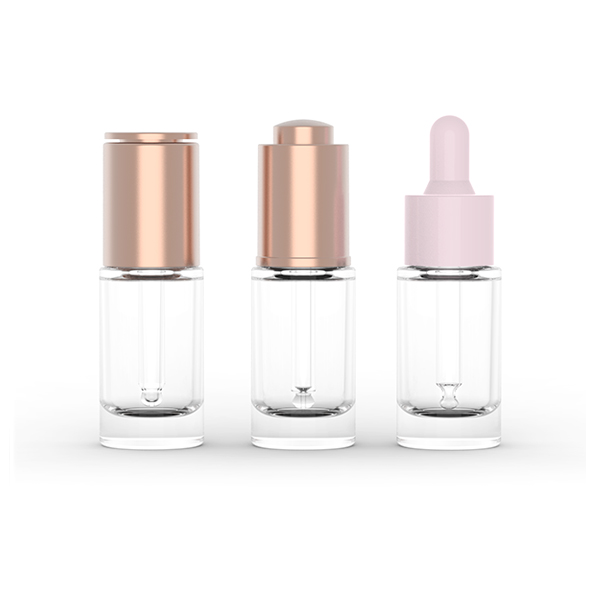
Custom glass dropper systems designed for low-viscosity serums, essential oils, and concentrated active formulations requiring micro-precise dosage.
Classic Boston rounds paired with diverse accessories (pumps, sprayers, droppers) for industrial, clinical, and apothecary-grade skin formulations.
Heavy-walled cosmetic jars, toner bottles, and treatment vessels with premium surface decoration and high chemical resistance.
Precision-engineered pump systems, aluminum collars, overcaps, droppers, and custom-molded LDPE and TPE doe-foot applicators.
High-clarity flint glass perfume bottles with custom shapes, matching fine mist sprayers, and magnetic collar assemblies.
Thermal-shock resistant glass containers designed to withstand high heat profiles for clean burning luxury candles.
Lecospack provides professional glass cosmetic packaging solutions to worldwide customers. We design and deliver innovative, stable quality, and cost-effective packaging systems customized to align with our customers' brand identity. We work directly and indirectly with cosmetic brands, providing everything from structural packaging design to mass production.
To support branding objectives, we offer comprehensive customized deep processing services directly in our factories. This includes:
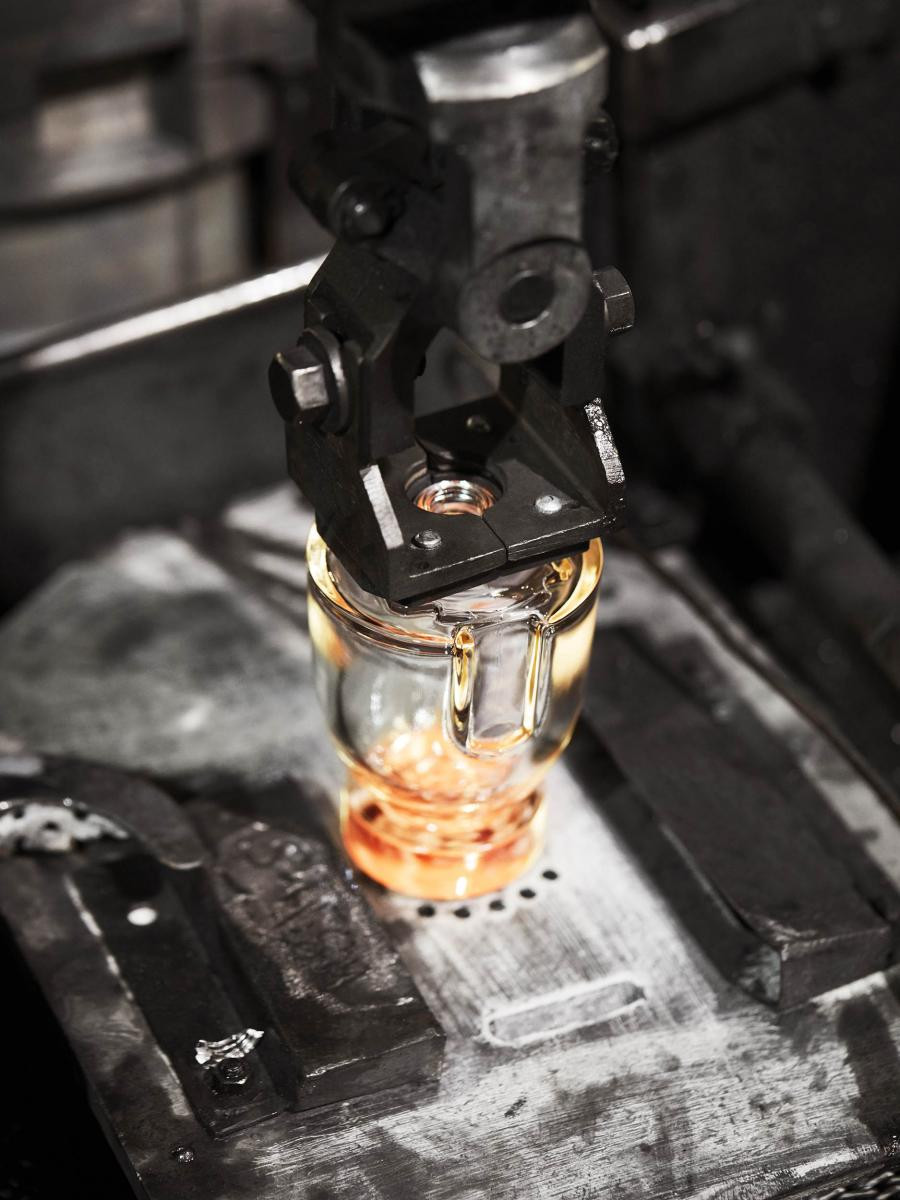
Ensuring mechanical tolerance and aesthetic perfection across every production batch.

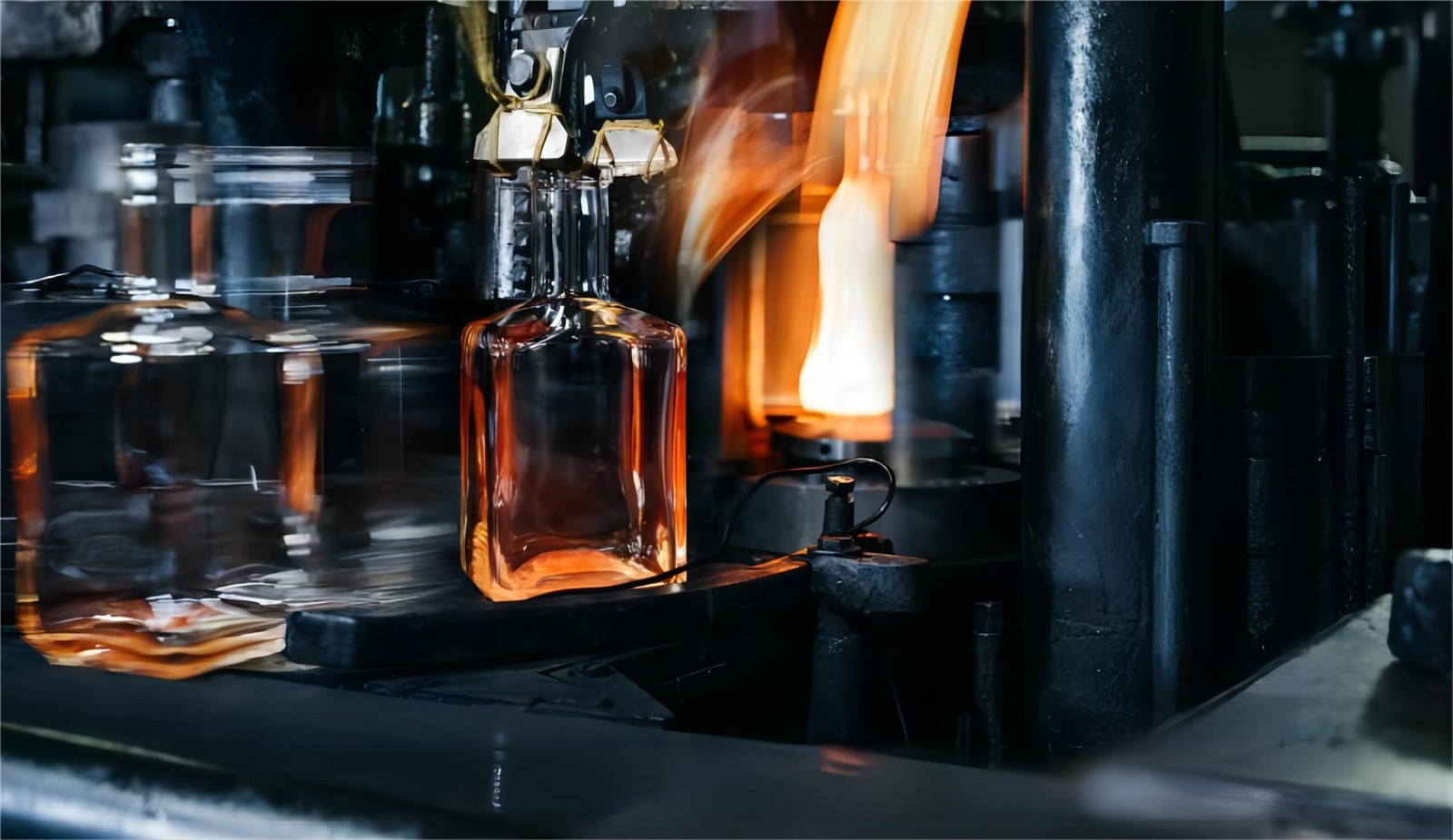
Strict QC protocols from batching and melting to cold-end inspection. Automatic optical inspections (AOI) look for micro-cracks, bubbles, and check-marks in the glass structure.

Our optimized vertical supply integration, thermal efficiency controls in the furnace, and high automation allow us to deliver premium products at scale without price inflation.

From custom product design and sample validation (3D rapid prototyping and glass trial molds) to global logistics management, we provide end-to-end technical support.
Leveraging advanced manufacturing clusters to optimize lead times, material sourcing, and sustainability.
In the beauty industry, speed-to-market is a critical factor for success. Our Chinese production facility leverages advanced automation and localized material sourcing to offer high production capacity, flexibility, and cost control.
Our raw materials (silica sand, soda ash, and limestone) are sourced directly from localized, high-grade deposits to ensure high clarity and minimal trace contaminants. By operating energy-efficient gas-fired melting furnaces and high-speed IS (Individual Section) blow-and-blow molding machinery, we maintain consistent glass wall thickness and excellent structural integrity.
Our environmental and ethical policies are built on a solid foundation of values. Central to our business practice is a commitment to social responsibility, ethical standards, and universal human rights. We are dedicated to protecting the environment by integrating post-consumer recycled (PCR) glass into our production and minimizing our carbon footprint. By treating our staff with respect and celebrating diversity, we foster an environment of continuous improvement and innovation.
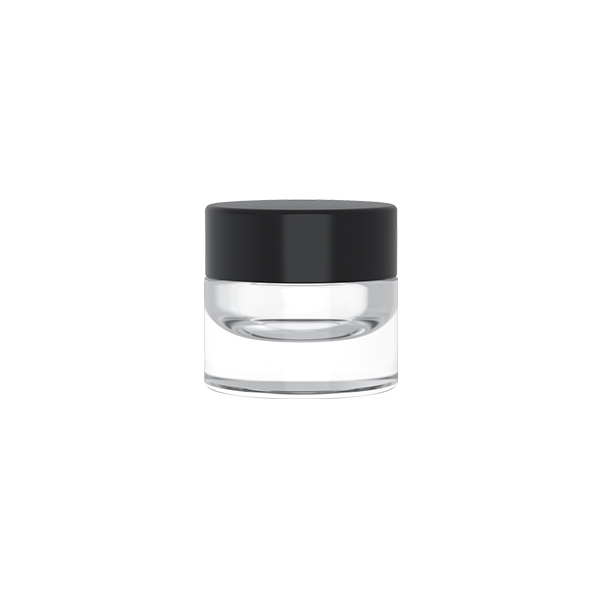
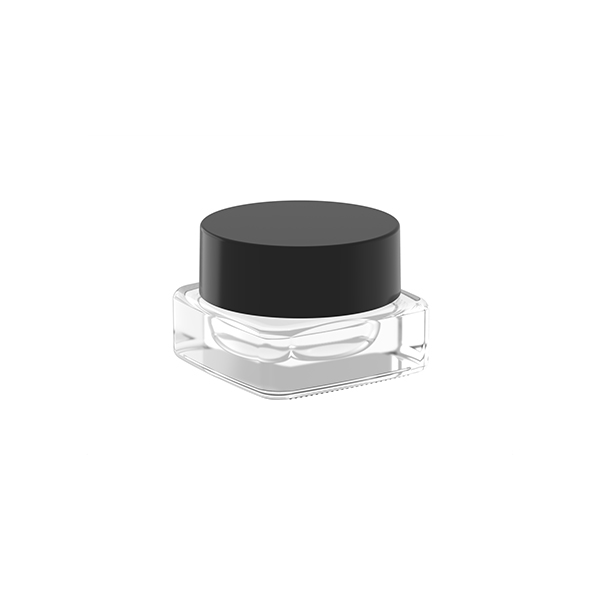
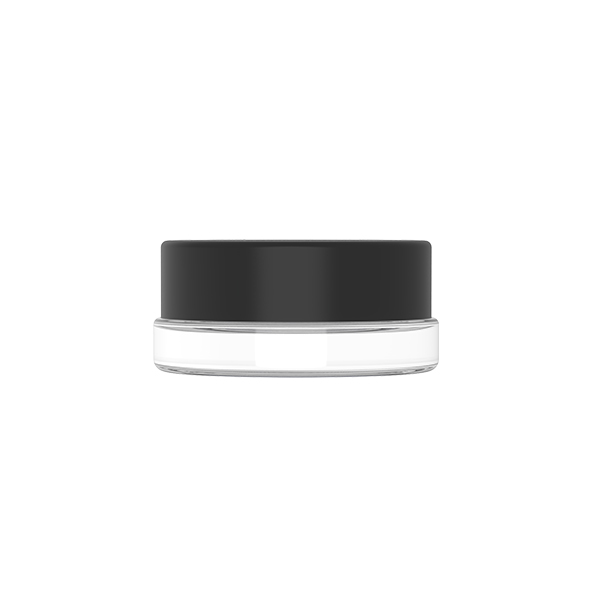
Adapting glass packaging systems to global environmental, chemical, and design regulations.
As beauty regulations tighten globally (such as the Modernization of Cosmetics Regulation Act - MoCRA in the US and the European Union's REACH protocol), cosmetic packaging must meet strict compliance and safety standards. High-quality glass packaging remains a preferred choice for clean beauty brands because it eliminates risks associated with microplastic migration and chemical leaching.
Our R&D roadmap focuses on developing fully recyclable, mono-material applicator systems. Traditional doe-foot applicators contain mixed plastics (such as PP, flocking adhesives, and nylon fibers) that are difficult to recycle. We are actively testing thermoplastic polyurethane (TPU) and high-density polyethylene (HDPE) molded tips that utilize micro-grooves instead of traditional flocked fibers. This allows for precise formula pick-up and distribution while ensuring the applicator can be recycled alongside the bottle cap.
Additionally, we have upgraded our surface metallization and decoration lines to utilize heavy-metal-free organic inks and low-VOC coating processes. This ensures all customized glass bottles comply with California Proposition 65 and European heavy metal limits (CONEG regulation), guaranteeing safety from production to retail shelves.
Illuminated by the high aesthetics and elegance of world-famous cosmetic and luxury brands.






Answers to common questions regarding logistics, quality control, compatibility, and customization.
Our pricing is calculated based on raw material costs, manufacturing parameters, batch volumes, and decorative options. We provide updated price lists and custom quotes based on your specific project requirements. Contact our sales department to receive a detailed quote.
We require minimum order quantities for international shipments to maintain manufacturing efficiency and reduce per-unit shipping costs. MoQs vary depending on whether the bottle shape is standard (typically 10,000 to 20,000 units) or a completely custom mold (typically 30,000 units). For smaller quantities, contact our team to discuss stock options.
Yes. We provide comprehensive documentation packages for international shipments, including Certificates of Analysis (COA), Certificates of Conformance (COC), heavy metal test sheets (CONEG/REACH compliance), certificates of origin, and safety data sheets (SDS) for transport. Our documentation ensures smooth customs clearance at all major global ports.
For custom glass molds and prototypes, design validation and sample preparation takes approximately 7 to 15 days. Mass production of approved designs typically requires 20 to 30 days from receipt of the deposit. Lead times take effect upon approval of the production design. We work with clients to coordinate delivery dates for time-sensitive launches.
We accept wire transfers (T/T), L/C, Western Union, and PayPal. Our standard commercial payment terms are a 30% deposit in advance of mold creation or production run, with the remaining 70% balance due upon presentation of the copy of the Bill of Lading (B/L) and quality release documents.
We stand behind the quality of our materials and workmanship. In the event of transit damage or quality deviations that fall outside of agreed AQL tolerances, we investigate and resolve issues to ensure client satisfaction. We offer replacement runs or financial credits for any verified manufacturing defects.
We use heavy-duty corrugated export packaging with individual cell partitions, plastic wrap protection, and reinforced pallets. For air freight or complex sea shipping routes, we offer customized pallet configurations to minimize movement during transit and protect fragile glass items.
Shipping fees depend on the chosen method (ocean freight, air cargo, or express shipping), volume, weight, and destination. Ocean freight is generally the most economical choice for large production runs. We work with major forwarders to offer FOB, CIF, or DDP shipping options, providing accurate rate calculations prior to dispatch.
Premium glass solutions for high-viscosity foundations, serums, creams, and complex liquid formulas.