 Lecos
Lecos
Lecos
Lecos
Explore our top-tier custom jars, droppers, and vials engineered to protect volatile formulations with high aesthetic appeal.
A analytical deep-dive into the regulatory, chemical, and commercial value of protective glass vessels.
In the modern global industrial landscape, the packaging design is no longer a mere containment choice. It has evolved into a key determinant of chemical integrity, shelf-life maximization, and brand validation. Amber glass spray bottles have emerged as the industry benchmark for containing light-sensitive, premium formulations across the pharmaceutical, cosmetics, agronomic, and advanced cleaning sectors. Globally, the glass packaging market is experiencing a profound paradigm shift, projected to grow at a compound annual growth rate (CAGR) of over 4.5% in the coming decade, heavily driven by the push towards sustainable, infinitely recyclable alternatives to polymer packaging.
Amber glass, specifically, provides unparalleled electromagnetic shielding. It blocks critical ultraviolet (UV) radiation frequencies ranging from 10nm to 400nm. This specific wavelength absorption spectrum is crucial. Photolytic degradation occurs when UV photons interact with organic molecular matrices, triggering free radical chain reactions, photo-oxidation, and product spoilage. By incorporating iron, sulfur, and carbon during the batch melting stage, manufacturers create a glass matrix that filters out harmful light wavelengths while maintaining clarity, chemical inertness, and structural sturdiness.
Amber glass prevents UV and short-wave blue light from mutating photochemically active ingredients, essential oils, and therapeutic reagents.
Glass maintains structural and chemical purity indefinitely. Zero degradation occurs over infinite reuse/recycling loops, reinforcing a circular economy.
Unlike standard plastics, premium Type III soda-lime or Type I borosilicate amber glass releases zero phthalates, bisphenols, or chemical residues.
Dedication, technological foresight, and sustainable processing in the glass design industry.
Lecos Glass has been dedicated to the glass packaging industry for over 10 years, delivering innovative wholesale glass bottles and jars designed for cosmetics, perfume, personal care, essential oils, and candle jar glass packaging. We pride ourselves on offering customized glass bottles to our clients, ensuring their brand identity matches high manufacturing standards. With a vast inventory and multiple global distribution channels, we offer a comprehensive catalog of glass solutions alongside customizable accessories.

Lecospack provides professional glass cosmetic packaging solutions to worldwide customers. We deliver innovative, consistent, and cost-effective packaging designed according to each customer's brand DNA. The quality of our glass products is strictly controlled, winning the favor of domestic and international customers alike. We work directly and indirectly with leading brands globally.
We offer specialized surface decoration services for glass bottles to match your branding, including frosting, electroplating, spraying, decals, and silkscreen printing. Our goal is to serve as a reliable, supportive partner in the global glass beauty and pharmaceutical industries.
The structural principles that govern our operations and product manufacturing processes.

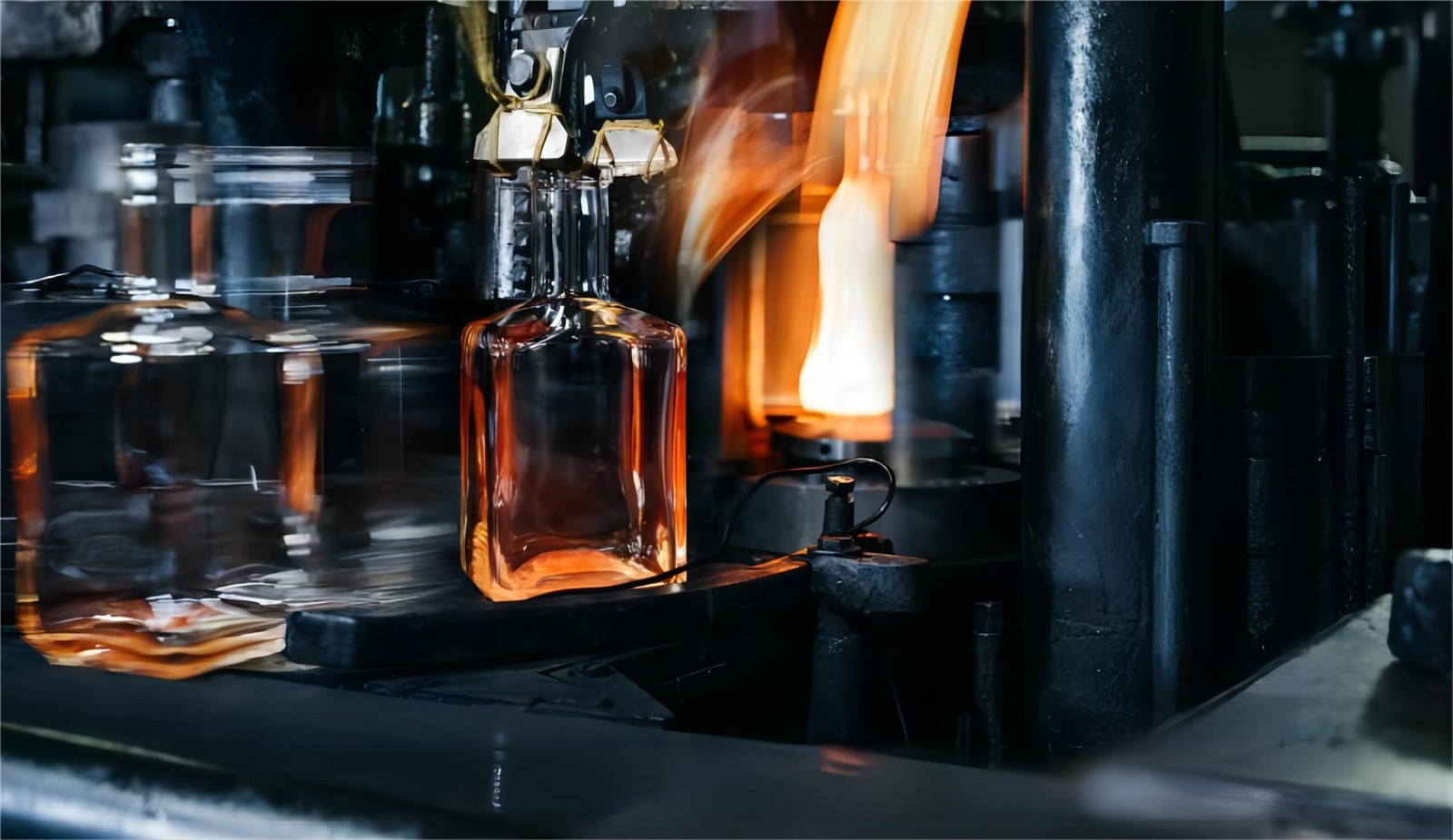
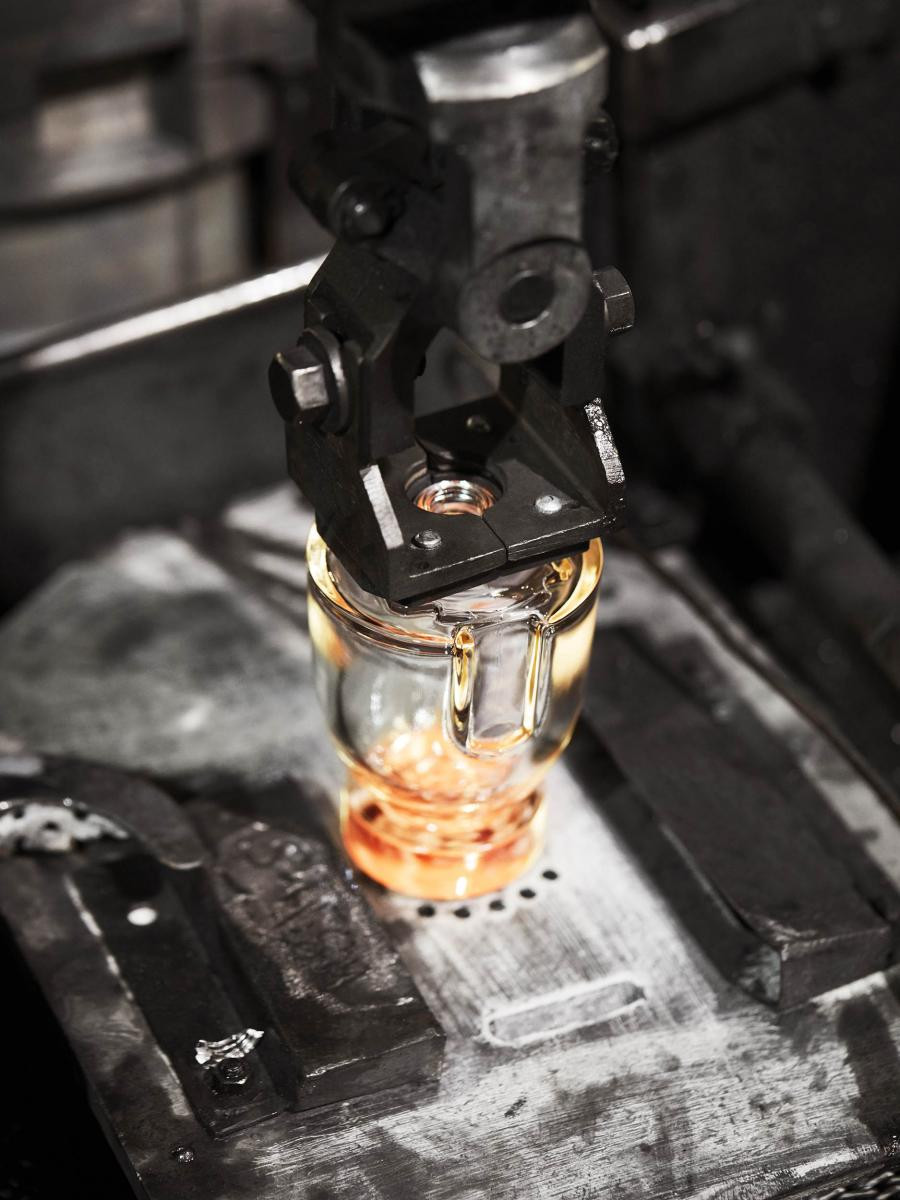
Employing advanced IS forming machinery and inline automated visual inspection systems to guarantee dimensional accuracy and structural integrity.

Leveraging vertically integrated Chinese logistics, fuel efficiency innovations, and high production speeds to maximize savings for our global clients.

Our dedicated account teams support your brand throughout the entire process, including prototype design, certification paperwork, and final customs clearance.
Our company is built on a solid foundation of deeply held values that set us apart, steer our actions, and infuse every aspect of our corporate culture. These values are not just words; they are the principles that guide how we operate daily. Central to our business practices are our unwavering commitment to social responsibility, adherence to ethical standards, and steadfast support for universal human rights. We are also dedicated to protecting the environment and making a positive impact in the communities where we live and work. We believe in fostering creativity and innovation, celebrating and embracing the richness of diversity, and treating our employees with the utmost respect and care. By upholding these values, we ensure that our company remains a responsible, ethical, and inspiring partner for global brands.
Why manufacturing glass packaging in China offers structural and economic advantages.
Modern glass melting requires intensive thermal management. Chinese glass manufacturing hubs utilize advanced natural-gas fired furnaces alongside electric boosting systems, achieving melting temperatures exceeding 1500°C. By implementing highly optimized raw-material batching systems, factories maintain consistent chemical compositions of silica, soda ash, and limestone. This precision prevents batch variations that can compromise glass clarity and thermal shock resistance.
Through the integration of high-cavity, fully automatic Individual Section (IS) glass forming machines, our facilities can process large-scale production runs efficiently. This setup reduces human error, limits micro-fissures in the glass, and minimizes surface defects. This automated system is the foundation of China’s glass cost efficiency, providing stable production with minimal rejects.
| Performance Indicator | Legacy Western Factories | Advanced Chinese Automation (Lecos) |
|---|---|---|
| IS Machine Configuration | Single/Double Gob (Slow Cycle Speed) | Triple/Quad Gob (High Speed Automated) |
| Inline Inspection Method | Manual Spot Checking | Optoelectronic / Multi-Camera Automated Smart Sorting |
| Prototyping Lead Time | 60 - 90 Days | 15 - 30 Days |
| Decorating Integration | Outsourced (Multiple Vendors) | In-house (Frosting, Silk-screen, Plating) |
Beyond producing the core bottle, China’s industrial cluster supports advanced, direct-on-glass customization. Rather than relying on paper labels that can degrade from contact with oils or moisture, Lecos provides in-house decorative finishes. These include silk-screen printing with high-durability inks, hot stamping in metallic foils, acid etching for frosted textures, and physical vapor deposition (PVD) for chrome finishes, giving your brand a premium presentation on store shelves.
Understanding how different global industries utilize amber glass packaging.
Meets USP Type III and EP standards for liquid chemical formulations, nasal sprays, and topical antiseptics. Highly resistant to chemical erosion.
Protects delicate essential oils (such as citrus, lavender, and pine extracts) from oxidation and loss of therapeutic potency.
Ideal for luxury toners, vitamin C serums, hair mist treatments, and facial sprays. Offers a premium weight and feel for consumers.
International sourcing requires meeting stringent compliance standards. Procurement departments must ensure glass containers meet global pharmaceutical and chemical safety regulations. This includes FDA approval, compliance with European Directive 94/62/EC for heavy metal limits, and ISO 9001 quality management standards.
Our raw glass batch materials are free of lead, mercury, cadmium, and hexavalent chromium. Each batch undergoes rigorous testing, including internal strain verification, thermal shock durability runs, and fill line tolerance evaluations. This ensures safety during shipping and high-speed automated filling lines.
The technological direction of high-performance glass packaging.
The global glass industry is rapidly adapting to modern sustainability requirements through two main technical innovations: Glass Lightweighting and Post-Consumer Recycled (PCR) Integration.
Glass lightweighting uses finite element analysis (FEA) to evaluate stress points on containers under pressure. This process allows manufacturers to optimize wall thickness, removing excess glass without compromising structural strength. The result is lighter bottles that require less fuel to transport, lowering carbon emissions across the supply chain.
Simultaneously, incorporating cullet (recycled glass) into melting furnaces reduces energy consumption. For every 10% of cullet used, energy requirements drop by approximately 2.5-3%, while reducing carbon emissions. Modern buyers look for manufacturers that actively incorporate PCR glass into production to meet their corporate ESG targets.
Illuminated by the high aesthetics and elegance of most famous luxury brands
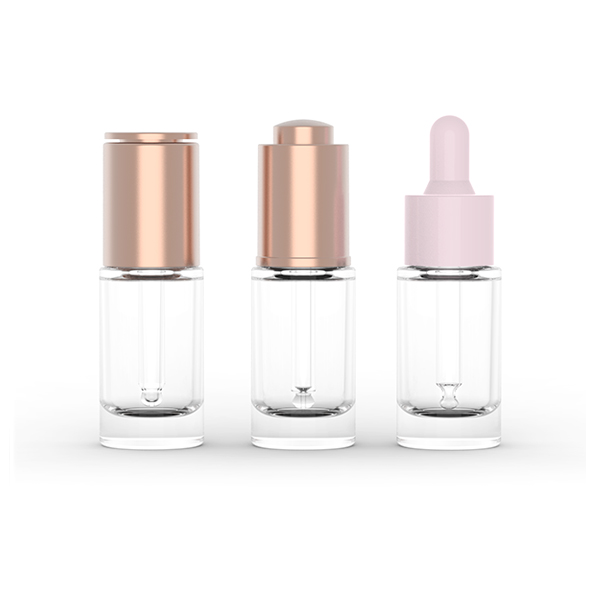
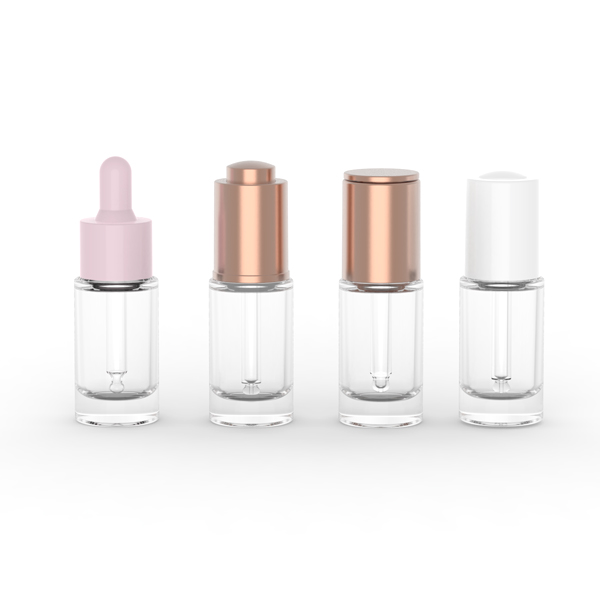
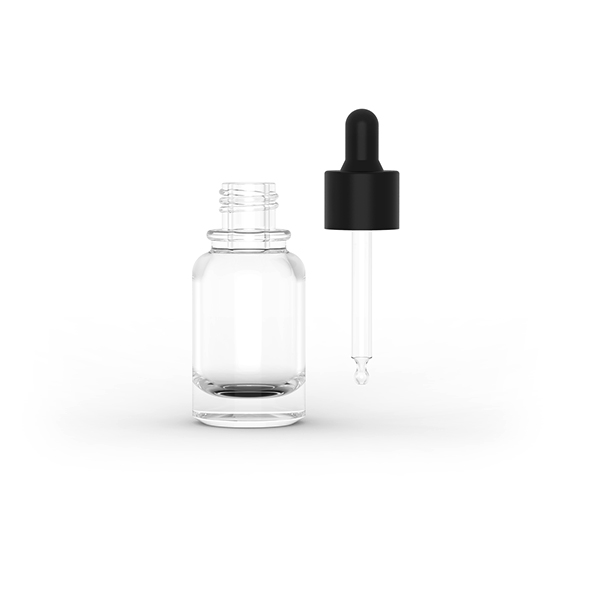
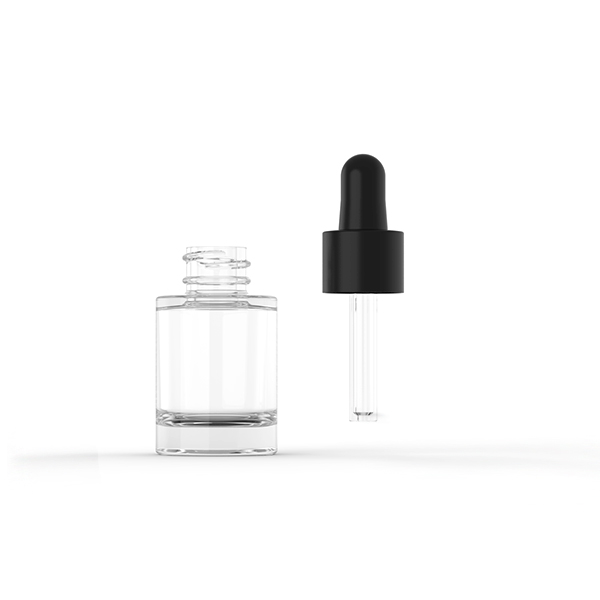
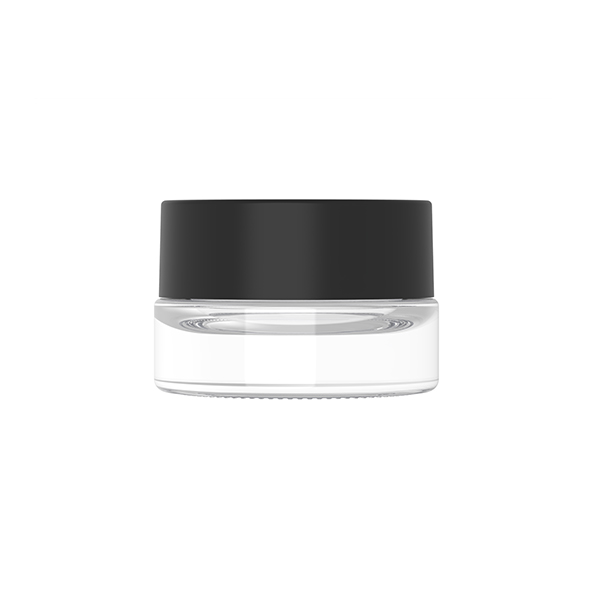
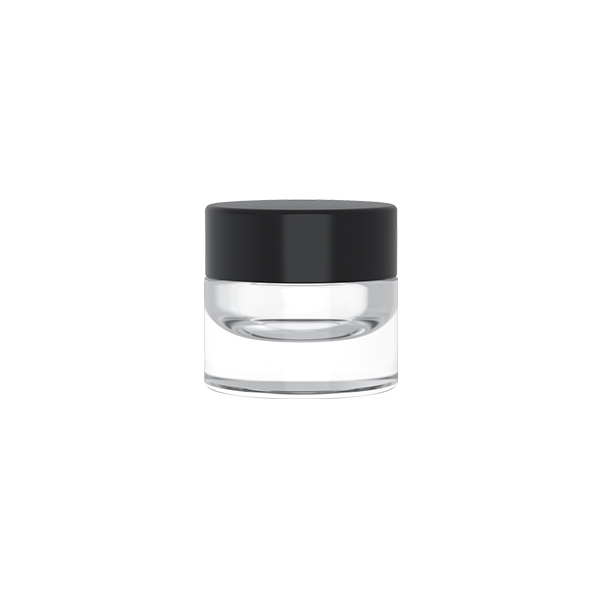
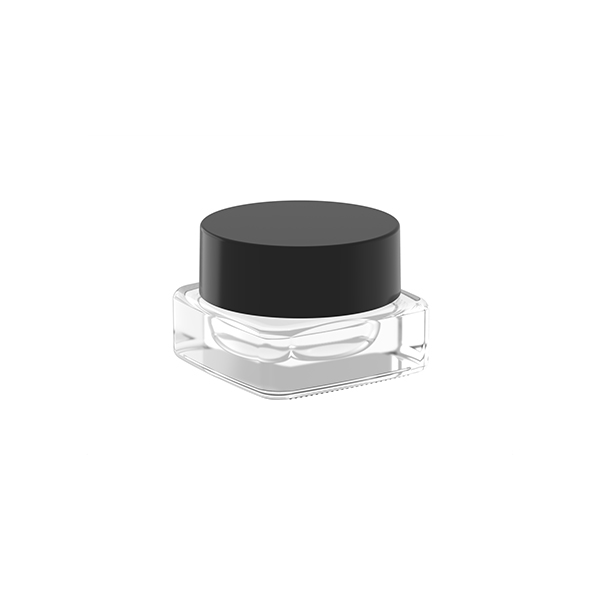
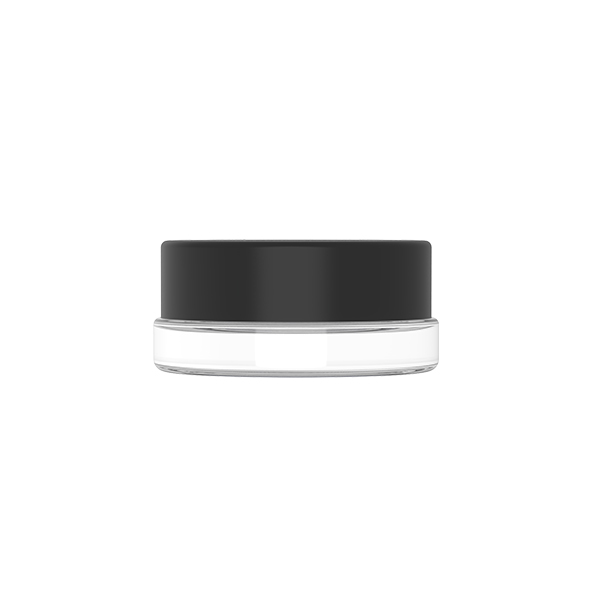




Answers to technical, operational, and commercial questions regarding global bulk glass supply.
Expand your product presentation with our range of high-durability containers, custom vials, and cosmetic jars.