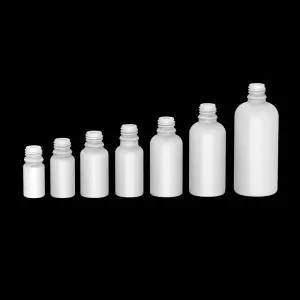
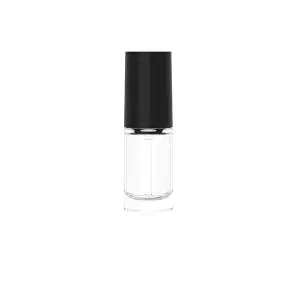
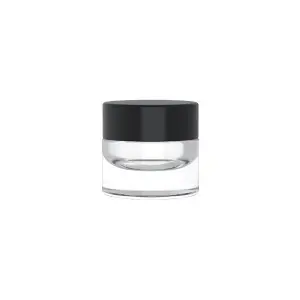
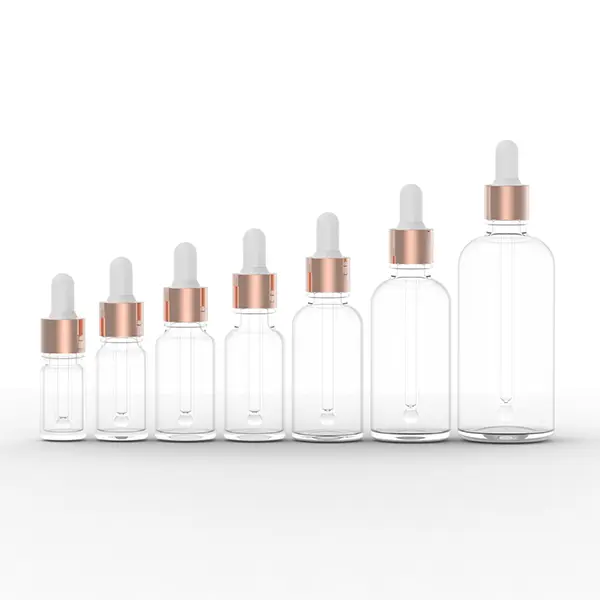
 Lecos
Lecos
Lecos
Lecos
Explore our premium selection of highly specialized cosmetic, personal care, and industrial-grade glass containers. These units leverage state-of-the-art structural geometry and chemically inert materials designed to maintain product integrity over extended lifecycles.
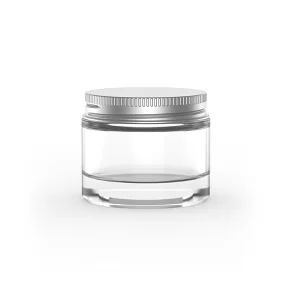
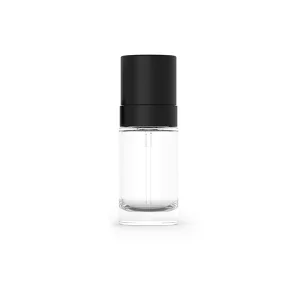
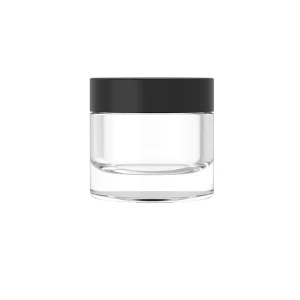
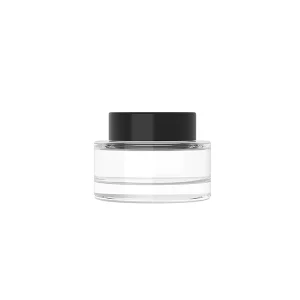
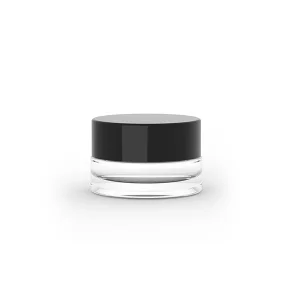
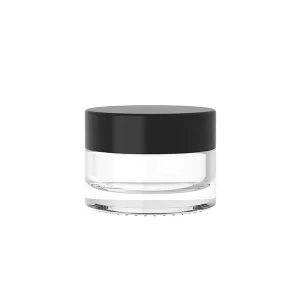
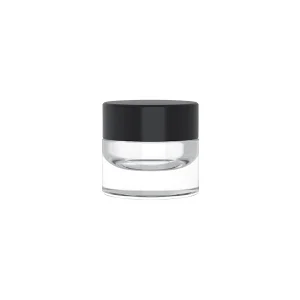
In the current global industrial landscape, packaging is no longer viewed merely as a passive medium for storage. It is now recognized as a critical variable in supply chain security, product stability, and quality assurance. For bulk storage demanding high volumes, such as 10 Liters (10L), selecting the correct container material is paramount. High-capacity glass containment stands out as the premium option when compared to synthetic alternatives like polyethylene, polypropylene, or polycarbonate.
The fundamental scientific advantage of glass lies in its chemical inertness. Unlike plastics, which are prone to polymer degradation, environmental stress cracking, and the leaching of phthalates or microplastics, Type I (Borosilicate) and Type III (Soda-Lime) glass preserve the purity of their contents. When dealing with high-viscosity pharmaceutical mixtures, pure chemical formulations, or concentrated organic cosmetics, any molecular interaction between the container and the fluid can compromise stability. 10L glass jars provide an absolute barrier against oxygen transmission (OTR = 0 cc/m²/day) and moisture vapor, ensuring that volatile organic compounds (VOCs) and active chemical agents remain stable under long-term storage conditions.
A volume of 10 Liters imposes substantial physical demands on packaging design. Under gravity, 10 kilograms of liquid exerts a continuous downward hydrostatic force, particularly on the base and lower sidewalls. Premium 10L glass jars are engineered with a thick, uniform wall distribution—typically between 6.5mm and 8.0mm. Finite Element Analysis (FEA) is utilized during the design phase to identify potential stress concentrations. By rounding internal corners, thickening the heel (the transition from base to wall), and refining the thermal annealing process, manufacturers eliminate the micro-fissures and residual internal stresses common in inferior glass products. This ensures that the container can safely withstand both static loads and dynamic shocks during transit.
Lecos Glass has been dedicated to the glass packaging industry for over 10 years, delivering innovative wholesale glass bottles and jars for cosmetics, perfume, personal care, essential oils, and candle glass packaging. We take pride in offering bespoke glass bottles tailored to our clients' precise brand identities.
We manage a comprehensive catalog of glass bottles, jars, and accessories to support global supply chains. Our core collections feature:
Lecospack provides professional glass cosmetic packaging solutions to worldwide customers. Leveraging our extensive industry experience, we design and manufacture packaging that aligns with our clients' brand DNA, ensuring consistent quality and cost-effectiveness.
Our quality control protocols monitor every phase of production, earning the trust of major domestic and international brands. In addition to high-precision manufacturing, we offer a range of specialized surface finishing treatments for glass bottles, including frosting, electroplating, spraying, decal application, and silk-screen printing. We are committed to supporting the continued evolution of the global glass beauty and container industries.

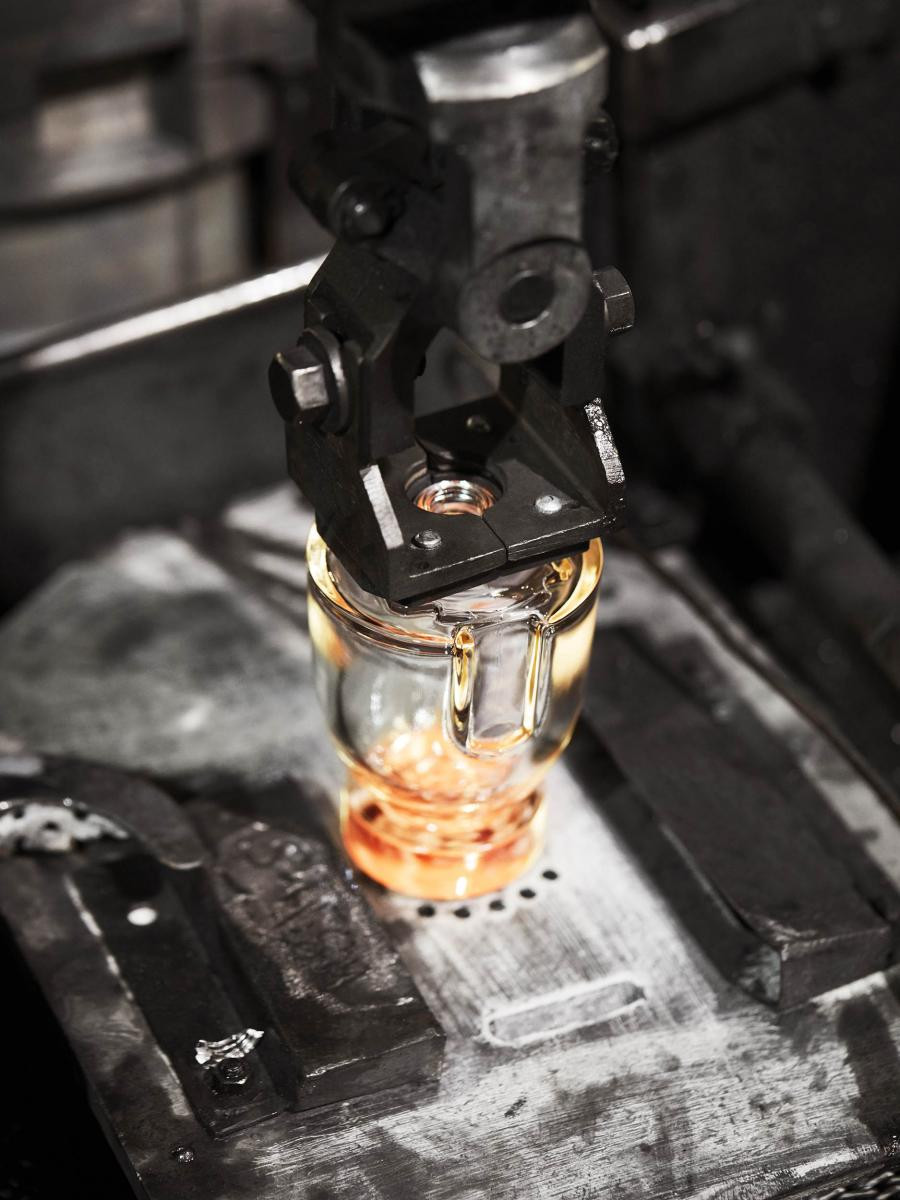
At Lecospack, we understand that supply chain consistency is critical for high-volume operations. Our processes are designed to deliver reliable performance, competitive pricing structures, and attentive service across all production runs.

Employing strict quality assurance frameworks, from raw batch testing to final optical inspection, ensuring defect-free shipments.

Optimizing production efficiency and sourcing structures to deliver competitive pricing options for global distributors.

Dedicated support from initial mold creation and prototyping to dynamic shipping logistics and import/export compliance.
Our company is built on a solid foundation of deeply held values that set us apart, steer our actions, and infuse every aspect of our corporate culture. These values are not just words; they are the principles that guide how we operate daily. Central to our business practices are our unwavering commitment to social responsibility, adherence to ethical standards, and steadfast support for universal human rights. We are also dedicated to protecting the environment and making a positive impact in the communities where we live and work. We believe in fostering creativity and innovation, celebrating and embracing the richness of diversity, and treating our employees with the utmost respect and care, as if they were members of our own family. By upholding these values, we ensure that our company remains a responsible, ethical, and inspiring place to work.
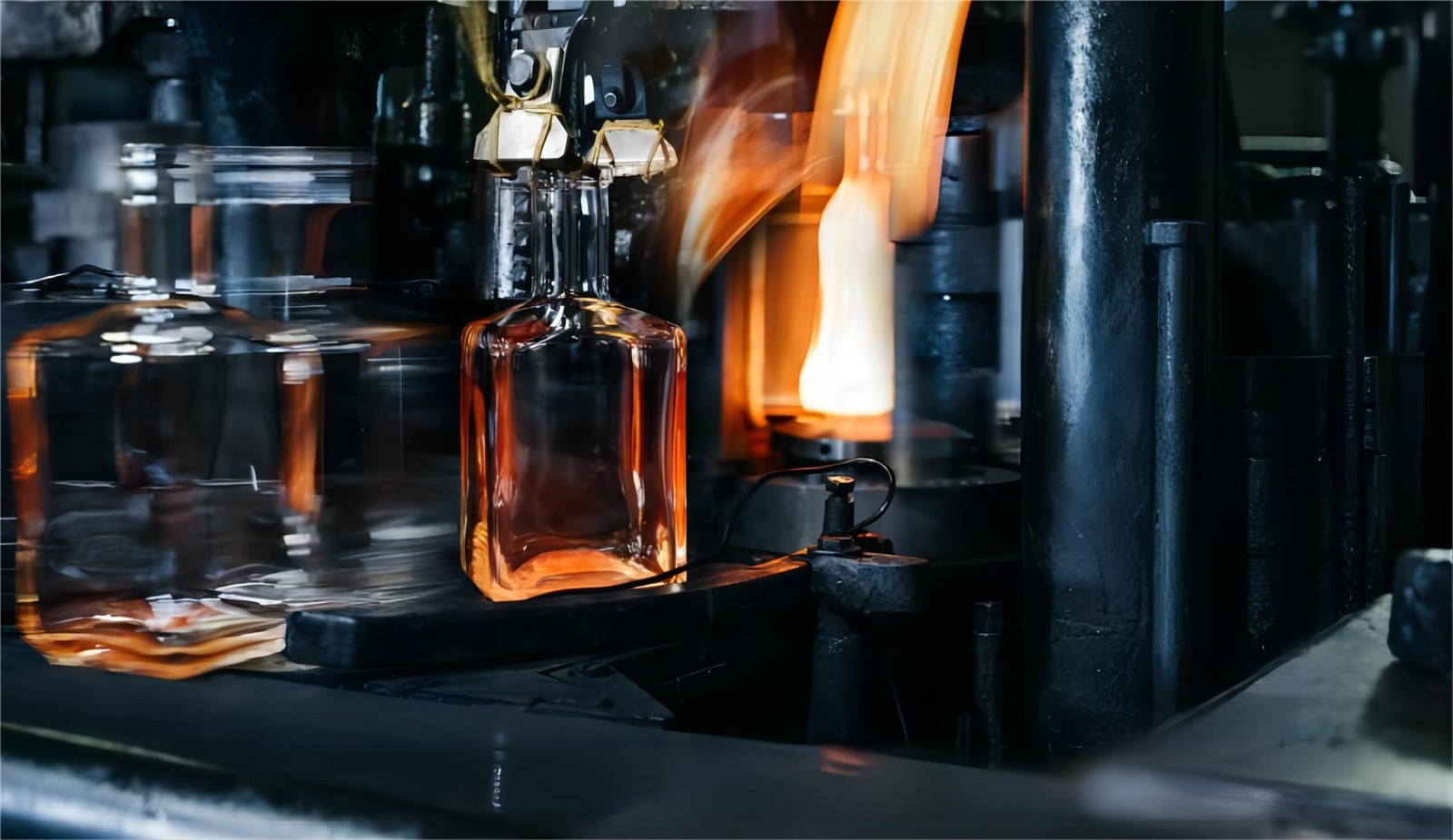
Our facilities utilize automated batching systems and state-of-the-art IS (Individual Section) glass forming machinery to produce large-format containers with consistent wall thickness and high structural integrity.
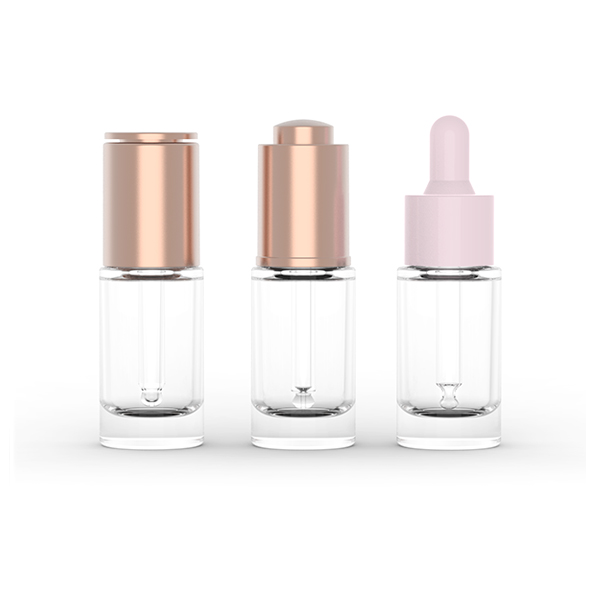
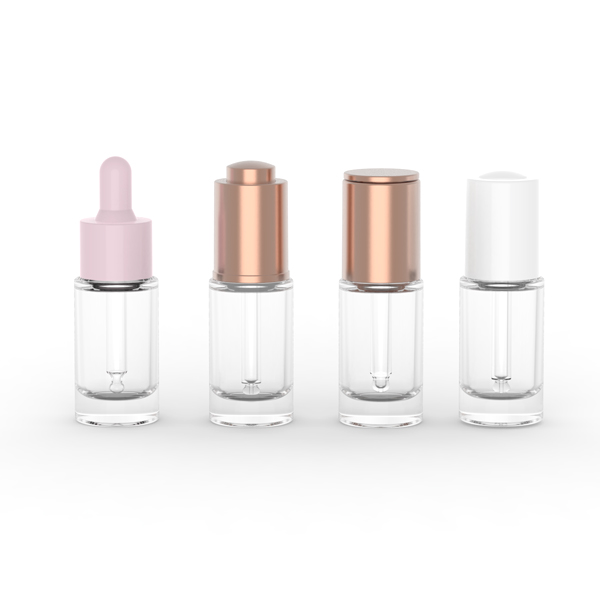
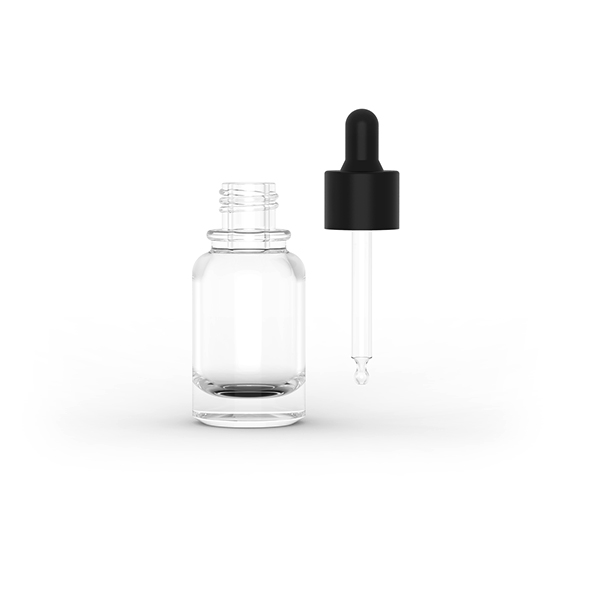
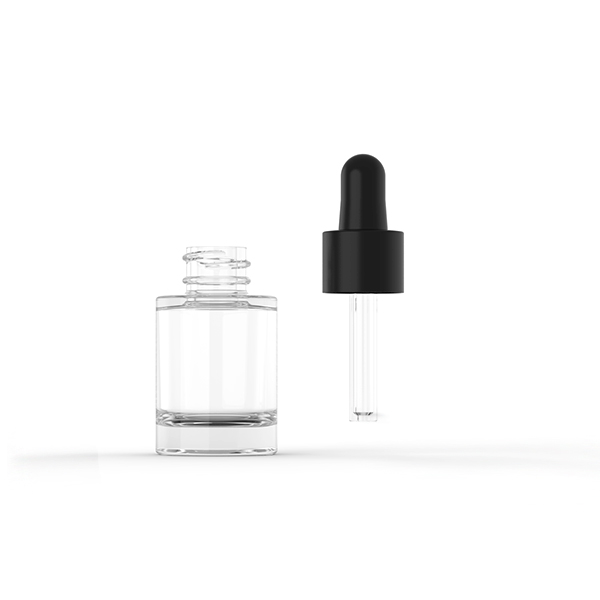
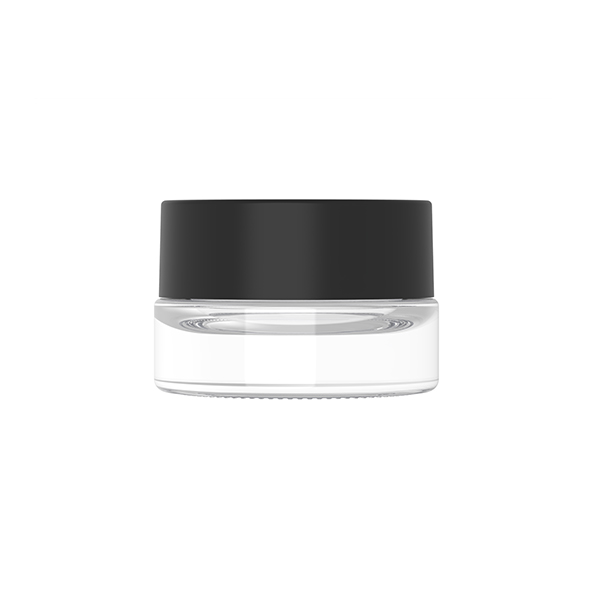
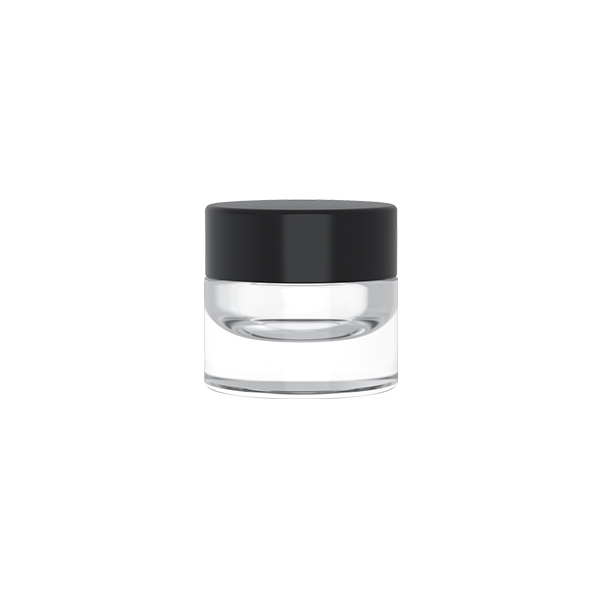
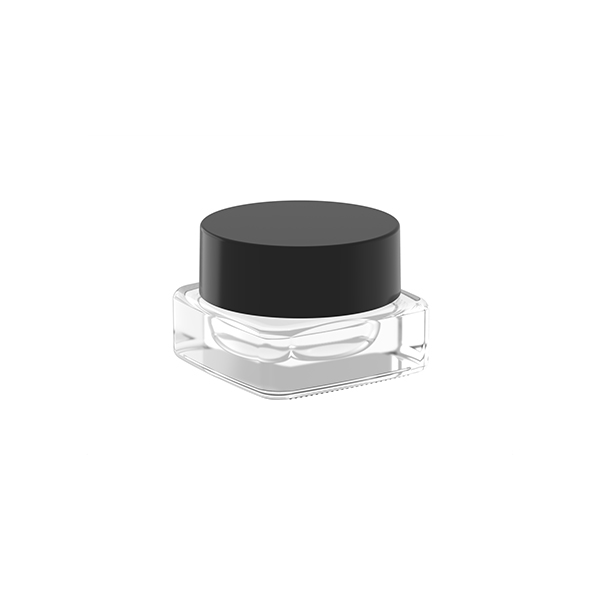
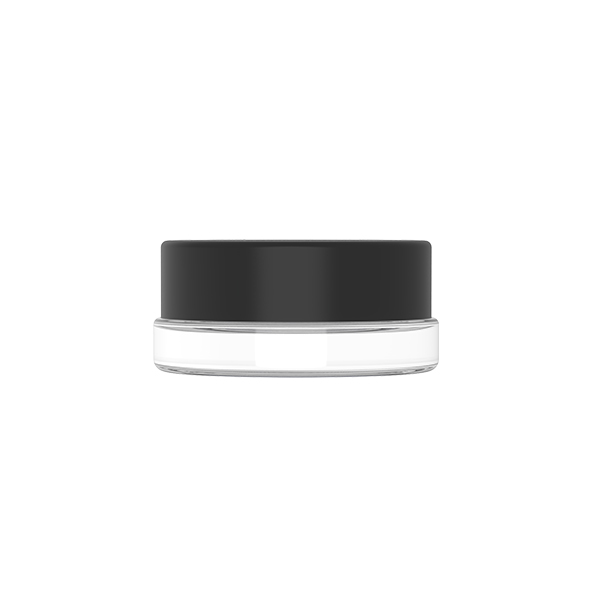
Our collections are inspired by the high aesthetics and refined elegance of leading global luxury brands. Review our top-performing configurations:
The international supply chain for heavy glass packaging has undergone significant structural consolidation. Raw energy inputs (such as natural gas and electricity required to reach melting temperatures of 1500°C) coupled with compliance costs have reshaped manufacturing dynamics. Production is increasingly concentrated in advanced hubs featuring automated batch control, automated inspection, and optimized logistics infrastructure.
In the bulk chemical and food processing sectors, North American and European regulations continue to tighten restrictions on trace heavy metals. Global producers are moving away from traditional packaging and transition to certified lead-free, cadmium-free silicate glass. The demand for 10L glass jars is growing across several major regions:
North America (US & Canada): Sourcing managers prioritize FDA Food Contact Notification (FCN) compliance, ASTM testing certificates, and reliable domestic or cross-border distribution channels. Heavy reliance is placed on verified international manufacturers who can supply complete documentation, including Certificates of Analysis (CoA) and Certificates of Conformance (CoC), to mitigate customs delays.
European Market (EU-27): Driven by Article 3 of Regulation (EC) No 1935/2004, European importers demand complete transparency regarding chemical migration limits. Glass packaging suppliers must demonstrate strict compliance with recycling mandates and carbon emissions reductions, prompting the integration of Post-Consumer Recycled (PCR) cullet in industrial glass production.
Asia-Pacific (APAC): Serving as both the largest production base and a rapidly growing domestic market, APAC hubs combine manufacturing scale with specialized surface decoration technologies, allowing global brands to source customized glass solutions efficiently.
To help B2B procurement officers verify product durability, the table below outlines the performance metrics required for high-capacity glass containers operating in industrial settings:
| Technical Parameter | Type III Soda-Lime Silicate | Type I Borosilicate 3.3 | Testing Protocol |
|---|---|---|---|
| SiO2 (Silicon Dioxide) Content | 71% – 73% | 80% – 81% | XRF Chemical Analysis |
| Thermal Shock Resistance (ΔT) | 40°C – 45°C | 120°C – 150°C | ISO 7459 Standard |
| Hydrolytic Resistance Rating | Class HGB3 / HGB4 | Class HGB1 | ISO 719 (98°C test) |
| Mean Wall Thickness (Bottom) | > 7.5 mm | > 6.0 mm | Ultrasonic Thickness Gauge |
| Internal Pressure Limits | Up to 0.4 MPa | Up to 0.8 MPa | Hydrostatic Destructive Test |
A container's barrier integrity is only as good as its closure system. For large-format 10L glass jars, Lecospack offers customized neck configurations, including wide-mouth threads, wire-bail clamp systems, and heavy-duty steel lug finishes. Gaskets are manufactured from high-grade, chemical-resistant elastomers, such as Food-Grade Silicone, EPDM, or PTFE-faced Viton, to prevent product evaporation and protect sensitive contents from exterior contamination.
Navigating import regulations is a key consideration for global procurement teams. Lecospack aligns its manufacturing processes with international regulatory standards to streamline the import process.
Our products conform to the following certification frameworks:
Shipping large 10L glass units requires specialized packaging to prevent transit damage. Lecospack utilizes heavy-duty corrugation, custom molded expanded polystyrene (EPS) inserts, and drop-tested double-wall shipping boxes. Large volume orders are secured on ISPM-15 heat-treated wooden pallets, wrapped in heavy-duty stretch film, and stabilized with PET strapping to ensure safe delivery via sea freight or overland transport.
10L glass jars are utilized across several key B2B sectors due to their chemical stability and mechanical durability:
Used by craft beverage producers, vinegar fermenters, and kombucha brewers who require large-capacity vessels. The transparent, non-porous surface of glass prevents flavor retention and allows for visual monitoring of active fermentation cycles.
High-purity APIs (Active Pharmaceutical Ingredients), intermediates, and liquid compounds are stored in Type I borosilicate 10L jars. This protects sensitive chemical profiles from leaching and contamination during storage.
Essential oil distillers and cosmetic cream manufacturers use 10L glass jars to store raw materials before packaging. Amber glass options are available to protect photo-sensitive oils from UV-induced oxidation.
Lecos Glass continues to invest in manufacturing research and development to align with emerging global industrial trends. Our technical roadmap focuses on three main initiatives:
To reduce the carbon footprint of our operations, we are transitioning from gas-fired furnaces to hybrid electric melting systems. This technology maintains the thermal consistency required for high-purity glass while reducing direct carbon emissions during production.
We have integrated high-speed, AI-driven optical inspection cameras along our cold-end production lines. These sensors detect internal micro-bubbles, minor wall thickness variations, and surface defects in real time. This automated quality control step ensures that only structurally sound containers proceed to final packing.
To improve the durability of our large-format glassware, we are developing nanometer-thin hot-end and cold-end coatings (such as tin oxide and polyethylene wax). These surface treatments increase abrasion resistance and reduce the risk of structural scratching during high-speed bottling and bulk transport.
Review answers to common questions regarding our technical specifications, ordering processes, and shipping logistics.
Our prices are subject to change depending on supply, raw material fluctuations, energy costs, and other market factors. We will send you an updated price list after your company contacts us for further information.
Yes, we require all international orders to have an ongoing minimum order quantity. This MOQ varies depending on whether the container is a standard stocked design or a custom mold. Please contact our sales team to discuss your specific requirements.
Yes, we can provide most documentation including Certificates of Analysis (CoA) / Conformance (CoC); heavy metal testing reports, FDA compliance statements, cargo insurance documents, Certificates of Origin, and other export documents where required.
For standard samples, the lead time is approximately 7 days. For mass production runs, the average lead time is 20-30 days after receiving the deposit payment. Lead times become effective when we receive your deposit and have final technical approval for the product design.
Payments can be made to our bank account, via Western Union, or through PayPal. Our standard terms are a 30% deposit in advance, with the remaining 70% balance paid against the copy of the Bill of Lading (B/L).
We warrant our materials and workmanship. Our commitment is to ensure your satisfaction with our products. Whether within the warranty period or not, it is our company culture to address and resolve all customer issues constructively.
Yes, we use high-quality export-grade packaging. We also employ specialized packaging for hazardous goods and validated cold-chain shippers for temperature-sensitive items. Custom or non-standard packing requirements may incur additional charges.
Shipping costs depend on your chosen delivery method. Express delivery is the fastest but most expensive option. Ocean freight is generally the most cost-effective solution for large-volume bulk orders. Accurate freight rates are calculated based on shipment volume, weight, and destination.
Yes, our Type I Borosilicate 10L jars are suitable for autoclaving and sterilization up to 150°C. For Type III Soda-Lime glass jars, care must be taken to manage temperature changes gradually (maximum thermal shock differential ΔT ≤ 40°C) to prevent thermal stress fractures.
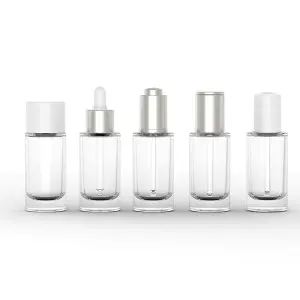
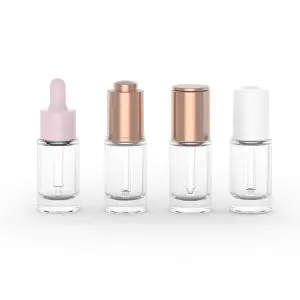
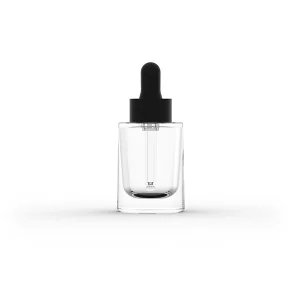
Review our second tier of premium glass packaging, designed for cosmetics, liquid foundations, and high-end skincare formulations.
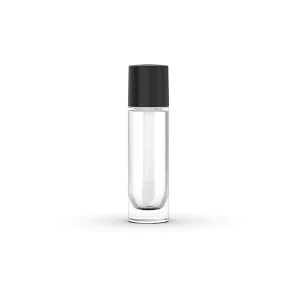
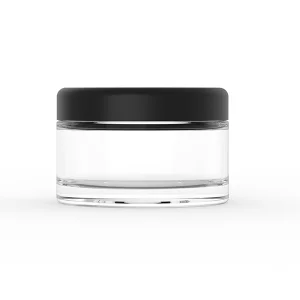
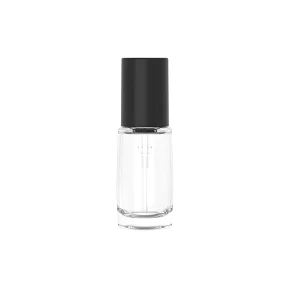
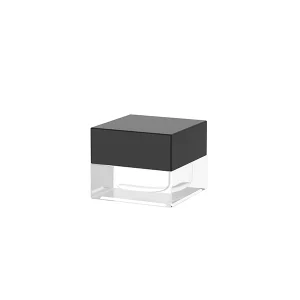
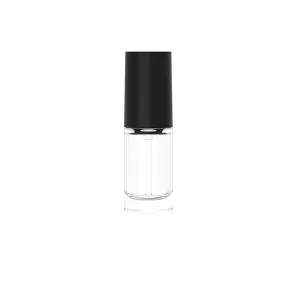
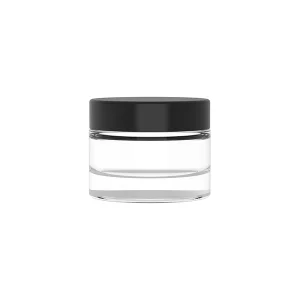
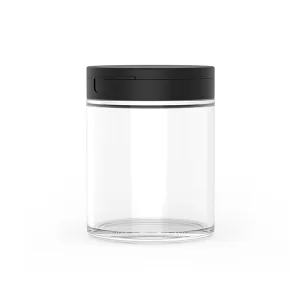
Our components are utilized by leading global cosmetics and luxury packaging brands.