 Lecos
Lecos
Lecos
Lecos
Explore our elite range of luxury foundation bottles, premium cosmetic jars, and mass-market dropper glass packaging tailored for international brands.
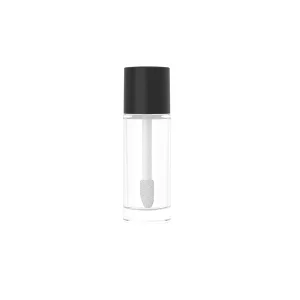
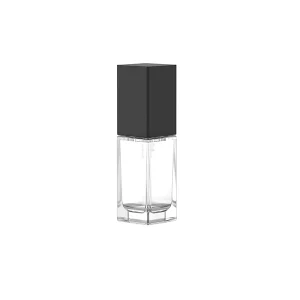
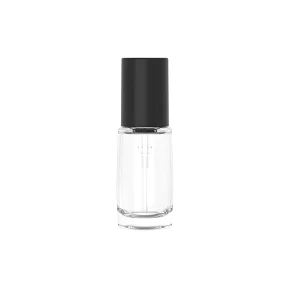
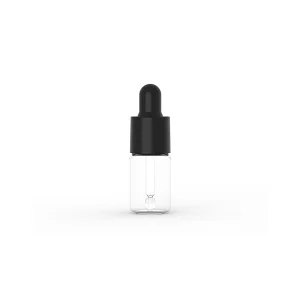
In the global perfume market, the 100ml (3.4 fl. oz.) glass bottle is widely recognized as the industry standard. It occupies the "golden window" of fragrance packaging, balancing high shelf presence, consumer pricing ergonomics, and logistical efficiency. Deciding to source and manufacture custom 100ml bottles is a key branding step for both legacy perfume houses and emerging niche brands.
A 100ml volume offers a substantial canvas for designers. It allows for thick base glass, heavy-weight bases, complex vertical embossing, and geometric shapes that reflect premium quality on retail shelves.
From a structural perspective, a 100ml bottle provides better unit cost-efficiency compared to smaller 30ml or 50ml variants. Brands can allocate more budget to secondary processes like metalization, inner lacuring, and high-spec FEA 15 crimp pumps.
High flint glass acts as a natural barrier. In 100ml formats, the thicker glass walls distribute thermal fluctuations evenly, protecting delicate raw fragrance compounds from UV radiation and rapid oxidation.
The Chinese glass manufacturing cluster leverages integrated supply chains to provide high-quality production options. Factories in provinces like Shandong, Jiangsu, and Guangdong integrate key production stages—including raw silica preparation, mold design, automated IS machine forming, electrostatic spraying, and accessory assembly—into unified ecosystems.
For global cosmetics and fragrance brands, sourcing 100ml glass bottles from China offers several key advantages:
Dedicated to the glass packaging industry for over 10 years, Lecos Glass has established itself as an expert in innovative wholesale glass bottles and jars for cosmetics, perfume, personal care, essential oils, and candle glass. We offer customized glass bottle solutions to brands worldwide.

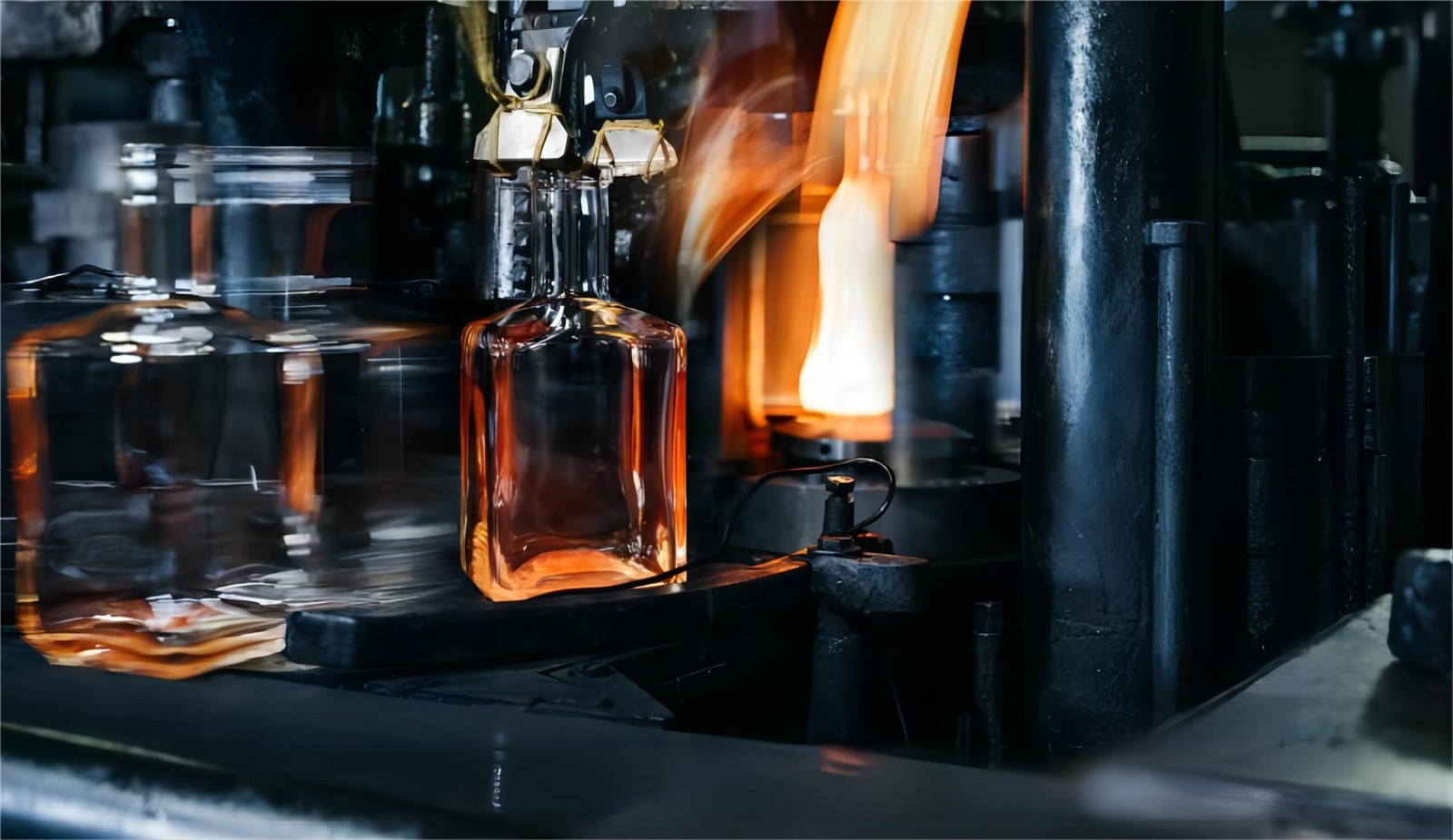
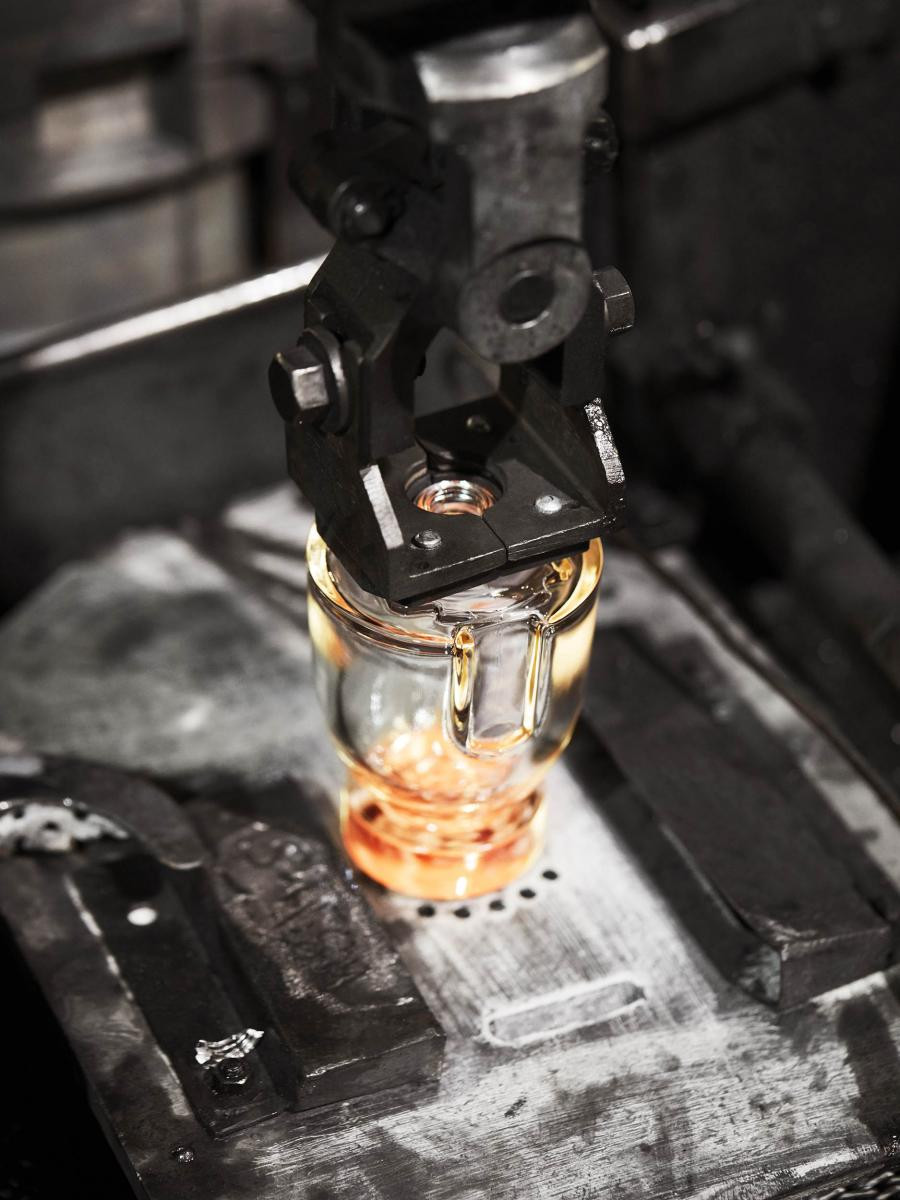
Industrial designers and packaging engineers select 100ml perfume bottles based on strict parameters to ensure line runnability, compatibility with crimping equipment, and product safety during transport. Below are the key engineering specifications for our 100ml perfume glass bottle range:
| Design Parameter | Specification Range | Technical Relevance |
|---|---|---|
| Nominal Capacity | 100ml (3.4 fl. oz.) | Target fill volume. |
| Brimful Capacity | 108ml ± 2.5ml | Accounts for product expansion and pump displacement. |
| Glass Quality Grade | Super Flint / Extra Flint Glass | Ensures high transparency and light refraction. |
| Neck Finish Options | FEA 15 / FEA 18 Crimp Neck, Screw Neck GP 15 | Determines compatibility with atomizer pumps and collars. |
| Weight | 180g - 350g (Customizable) | Heavier weights provide a more premium feel. |
| Internal Pressure Rating | ≥ 0.6 MPa (Megapascal) | Prevents breakage during filling operations. |
| Thermal Shock Resistance | ΔT ≥ 40°C | Ensures stability during hot-washing or shipping. |
Our formulation consists of premium ingredients: Silica Sand (SiO₂) at 70-73% for structural integrity, Soda Ash (Na₂CO₃) to lower melting points, and Limestone (CaCO₃) for chemical durability. Trace amounts of clarifying agents like selenium and cobalt oxide are added to neutralize color, ensuring high transparency.
Special attention is paid to the base thickness. A heavy glass base, or "glass weight distribution", requires precise control of the parison mold and blow mold steps on IS machines to avoid thermal stress zones.

Strict raw material sourcing and process control.

Direct manufacturer logistics and material efficiency.

Dedicated support from initial project draft to delivery.
Modern, multi-stage quality gates at every production step.
A brand’s identity is communicated through surface design. Lecos Glass provides comprehensive processing solutions directly at the manufacturing site:
International perfume procurement involves managing multiple logistics layers: glass manufacturing, pump mechanisms, collars, overcaps, outer boxes, and local regulatory requirements.
Glass furnaces run continuously (24/7) to manage energy consumption. Therefore, custom glass runs typically require an MOQ of 20,000 to 50,000 units. For early-stage brands, sourcing standard stock molds allows for smaller batch sizes, while customization is achieved through post-processing treatments.
We use strict AQL standards (AQL 1.0 for major defects, AQL 2.5 for minor defects) to ensure quality. Critical checks include bottle verticality, mouth inner-diameter ovality, sealing performance under pressure, and surface finish consistency.
The industry is shifting toward sustainability. Key focus areas include Post-Consumer Recycled (PCR) glass, refillable bottle systems (with screw thread neck finishes), and lightweight designs that reduce carbon emissions during shipping.
A look into our manufacturing operations, illustrating our focus on quality control and production consistency.
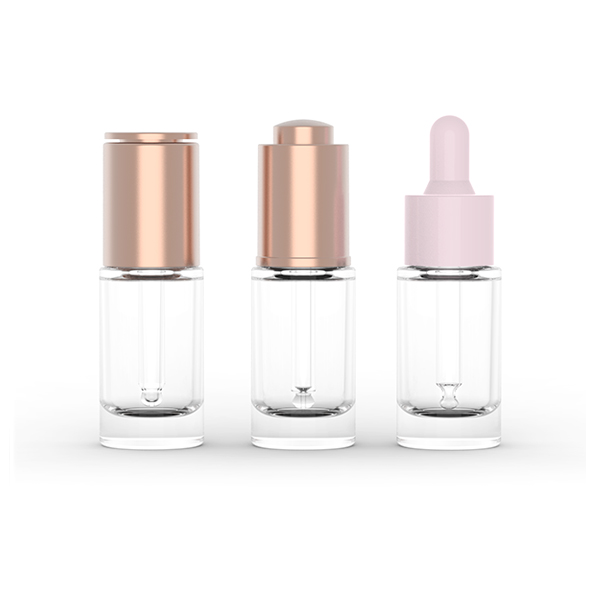
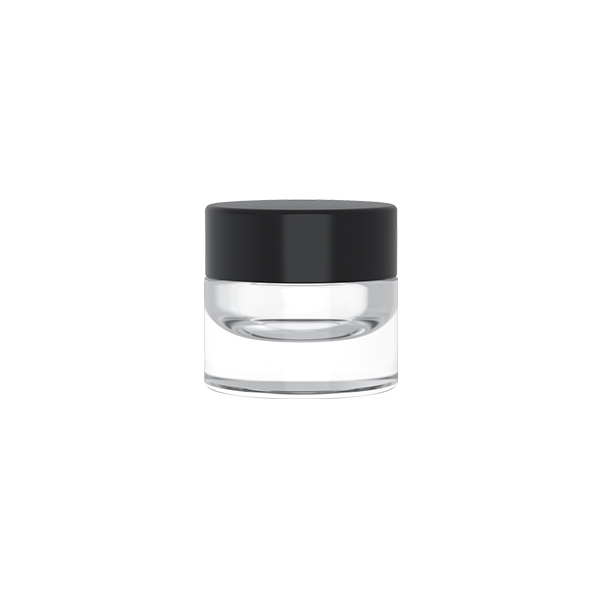
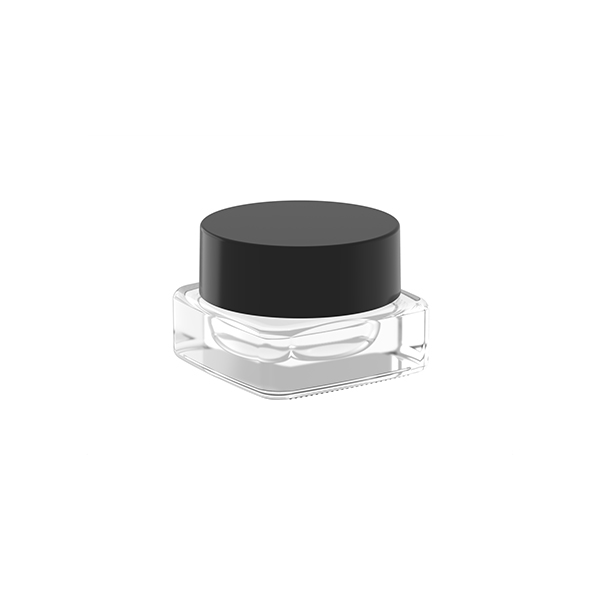
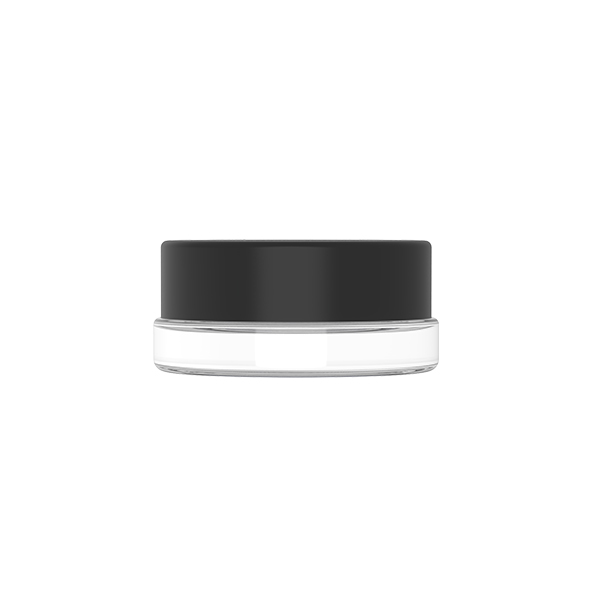
Lecos Glass has collaborated directly and indirectly with premium fragrance brands globally.








The fragrance packaging sector is evolving rapidly to align with changing consumer behavior, supply chain adjustments, and environmental standards. Below are the key trends shaping the future of 100ml perfume glass bottle production:
As environmental sustainability becomes a priority, refillable bottles are moving from a niche offering to a standard feature. High-quality 100ml perfume glass bottles are increasingly designed with threaded screw neck finishes (e.g., GP 15 or custom threaded styles) rather than traditional crimp neck configurations. This change allows consumers to unscrew the pump and refill the bottle using bulk refills. Thread profiles must be engineered with high tolerances to prevent leaking and maintain evaporation barriers.
Historically, heavier glass was synonymous with luxury. Today, brands must balance this weight premium with the carbon footprint of transport. Lightweighting techniques involve redistributing glass material internally. By using computer-aided modeling, manufacturers can thin the side walls while reinforcing key impact zones. This reduces overall weight by 15-20% without compromising structural strength or external aesthetics.
Integrating PCR glass is a key focus for sustainability initiatives. Melting recycled glass requires lower furnace temperatures, which reduces energy consumption. For luxury cosmetics and perfumes, using PCR glass requires careful processing. To maintain the optical clarity of extra flint glass, manufacturers must separate and purify source materials to keep the recycled glass free from metal oxides and contaminants.
Modern fragrance packaging often integrates with digital tracking systems. Thin-film RFID or NFC tags can be embedded in bases or neck collars to verify authenticity and track products through the supply chain. Custom 100ml glass bottle shapes can also feature QR codes etched directly onto the glass, connecting consumers with product information or fragrance sourcing details.
When partnering with a glass manufacturer, evaluating technical capabilities early helps minimize project delays:
Answers to common technical, logistics, and supply chain questions for wholesale perfume packaging.
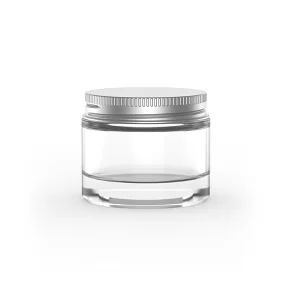
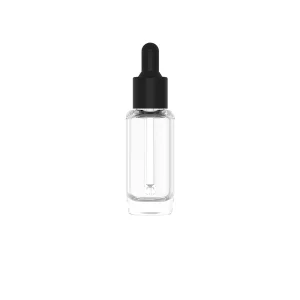
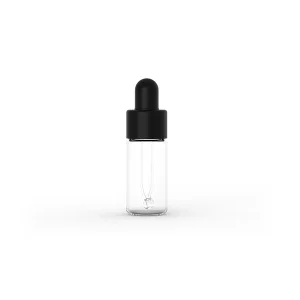
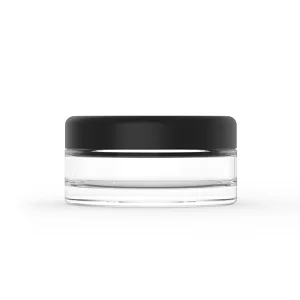
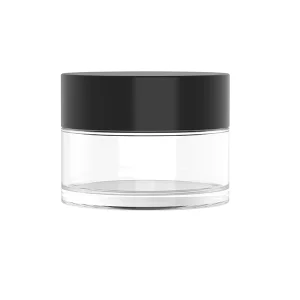
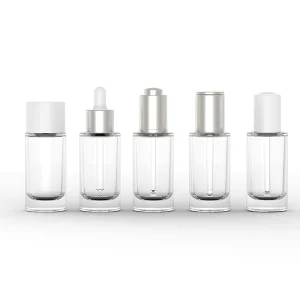
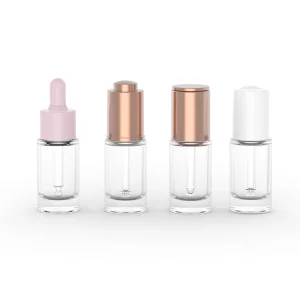
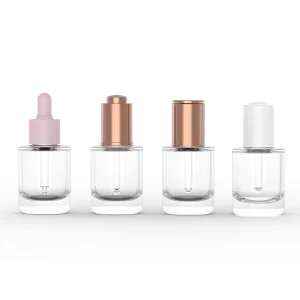
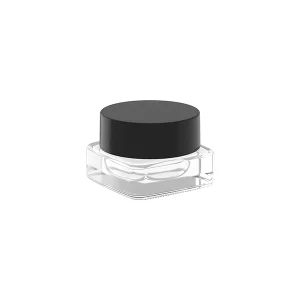
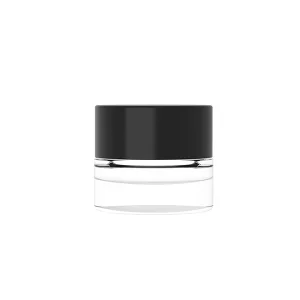
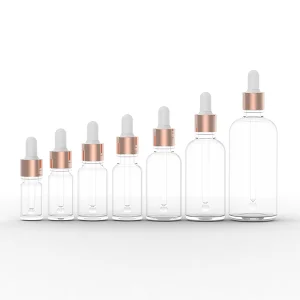
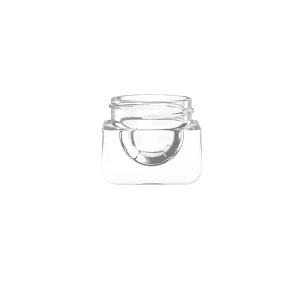
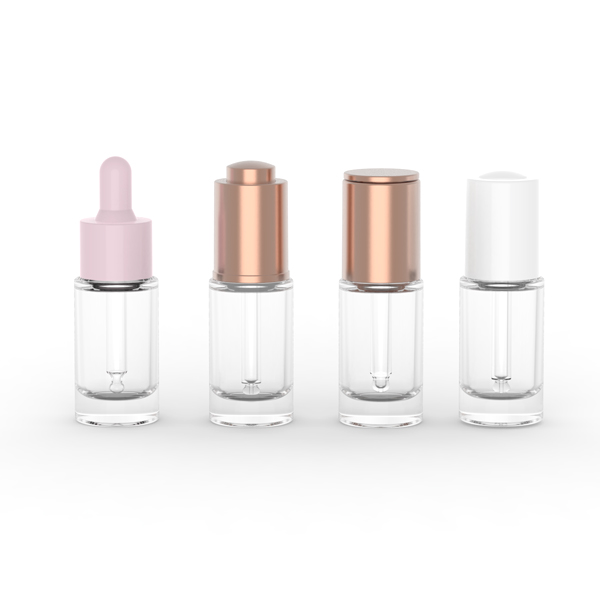
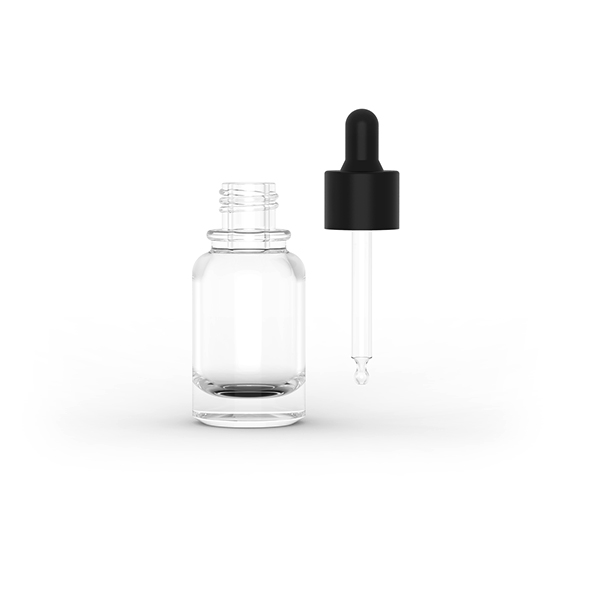
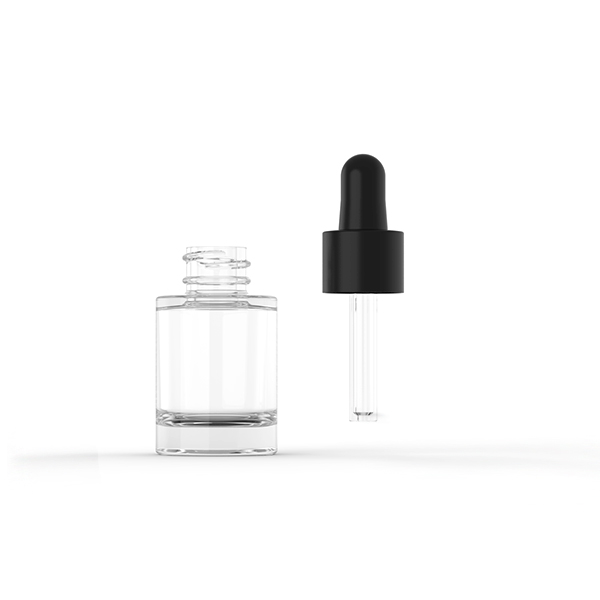
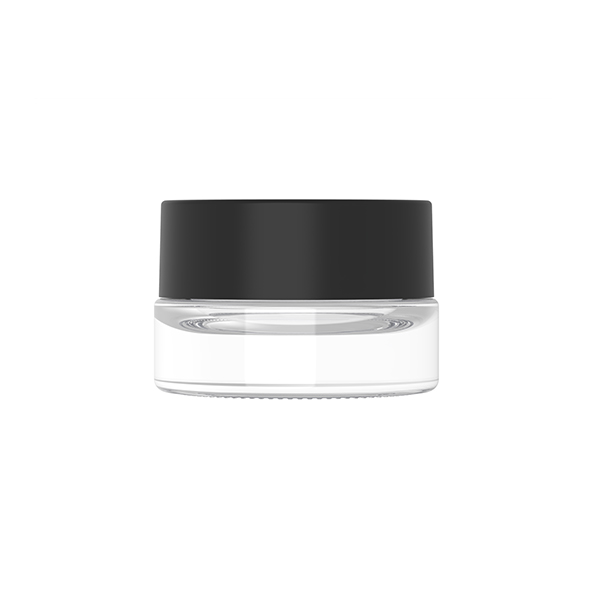
We offer cosmetic jars, eye cream pots, and customized dropper assemblies to provide complete brand solutions.