 Lecos
Lecos
Lecos
Lecos
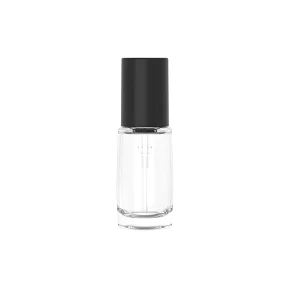
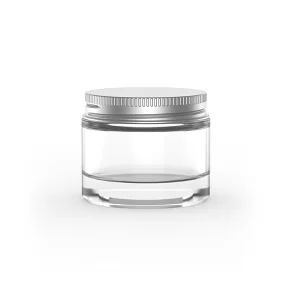
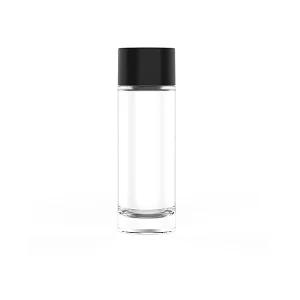
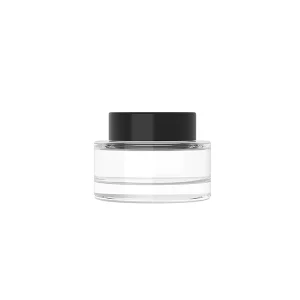
The global cosmetic packaging market is witnessing an unprecedented transition from petroleum-derived plastics to chemically inert, endlessly recyclable glass containers. Modern skincare formulations, powered by highly volatile active ingredients like L-ascorbic acid (Vitamin C), retinol, hyaluronic acid, and peptides, demand packaging that offers absolute barrier protection. Glass, as a non-porous material, ensures zero gas permeability, preventing oxidation and thermal degradation of the active substances enclosed within.
Industrially, glass containers are classified under different USP and EP standards. For cosmetic lotions and serums, companies look for Type III soda-lime glass or Type I borosilicate glass, treated specifically to prevent alkali leaching. The consumer preference for heavy-bottomed, luxurious glass bottles further drives the high-end skincare segment. In premium skincare, tactile weight is directly equated to brand credibility and product formulation value.
Furthermore, as international regulatory bodies enforce stricter ESG (Environmental, Social, and Governance) targets, cosmetic brands are rewriting their procurement guidelines. Sourcing custom glass bottles that incorporate PCR (Post-Consumer Recycled) glass content and utilizing organic, water-based varnishes for bottle finishes has become a core requirement. Consequently, manufacturers who can deliver high-volume custom production runs with reduced carbon footprints have become vital long-term partners for global beauty enterprises.
Lecos Glass has been dedicated to the glass packaging industry for over 10 years, offering premium wholesale glass bottles and jars for cosmetics, perfume, personal care, essential oils, and candle packaging. We pride ourselves on executing complex bespoke designs that reflect your brand’s DNA.
We are a dedicated B2B partner focusing on the alignment of engineering precision and high-fashion aesthetics. Our extensive product portfolio includes Fancy Dropper Bottles, Boston Round Bottles, Glass Skincare Packaging, Glass Bottle Tops, Perfume Bottles, and Wholesale Candle Jars.
We provide professional cosmetic packaging solutions to worldwide clients. We execute deep processing techniques including frosting, electroplating, spraying, decals, and silkscreen printing, transforming standard glass into customized art pieces.
By leveraging advanced automated visual inspection systems (AVI) at the cold end of our production line, we guarantee high quality, competitive pricing, and outstanding logistical service for every order.
We adhere to strict ethical codes, human rights charters, and environmental management systems (ISO 14001). We believe in supporting local communities and engineering carbon-neutral production pathways.
China has solidified its position as the global hub for glass packaging manufacturing, transitioning from a low-cost volume supplier to a pioneer in advanced glass forming and decoration technologies. The primary driver of this competitive advantage is industrial clustering. In regions like Shandong and Guangdong, an entire ecosystem of glass silica extraction, gas-heated furnace management, mould design, and surface treatment facilities operates within a tightly integrated supply chain.
Lecos Glass leverages this infrastructure to offer major operational advantages:
For international procurement departments, sourcing from China does not mean compromising on quality. It means gaining access to high-precision engineering systems that comply with global standards like ISO 9001, FDA food-grade certification, and REACH chemical registration.

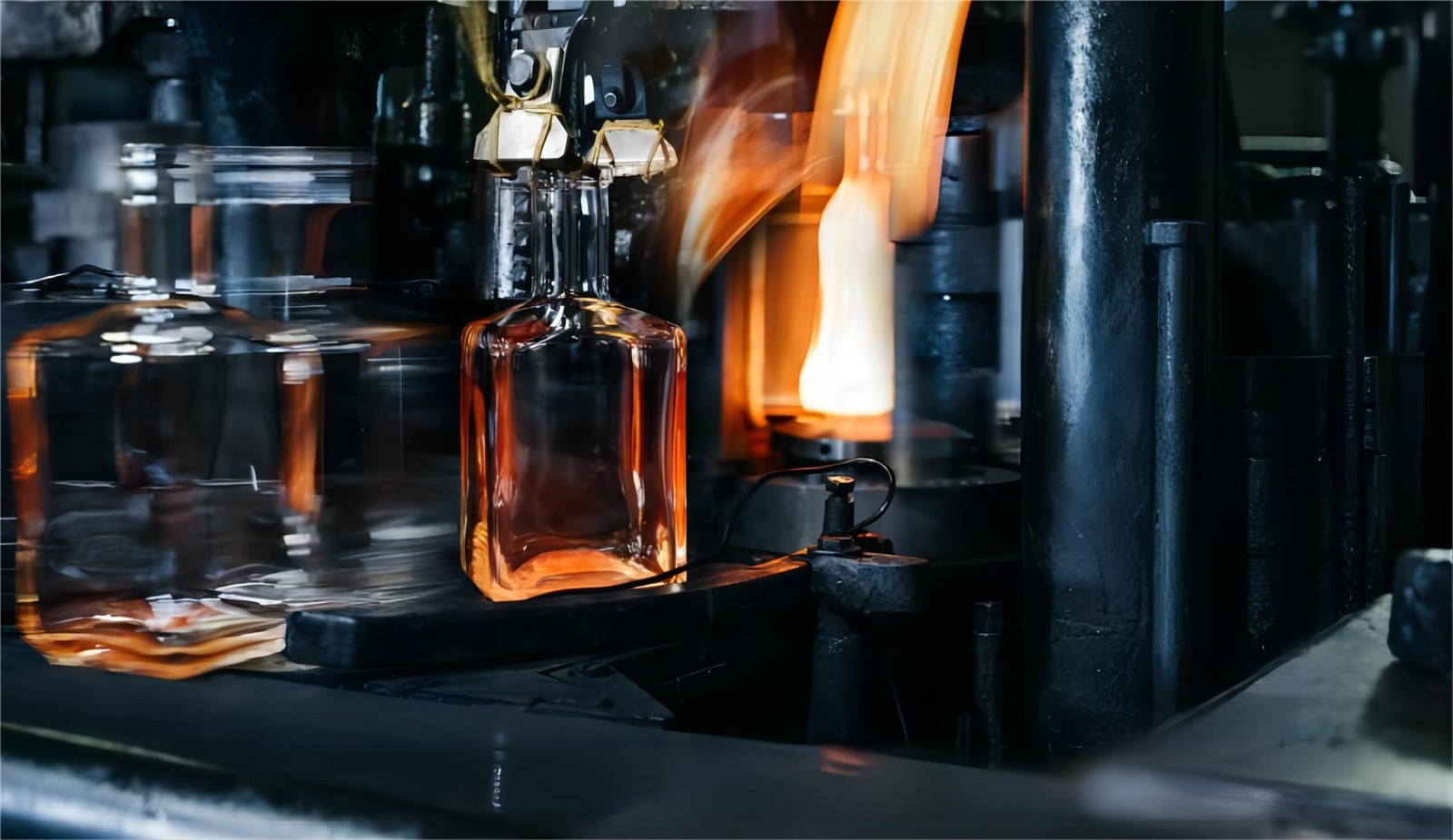
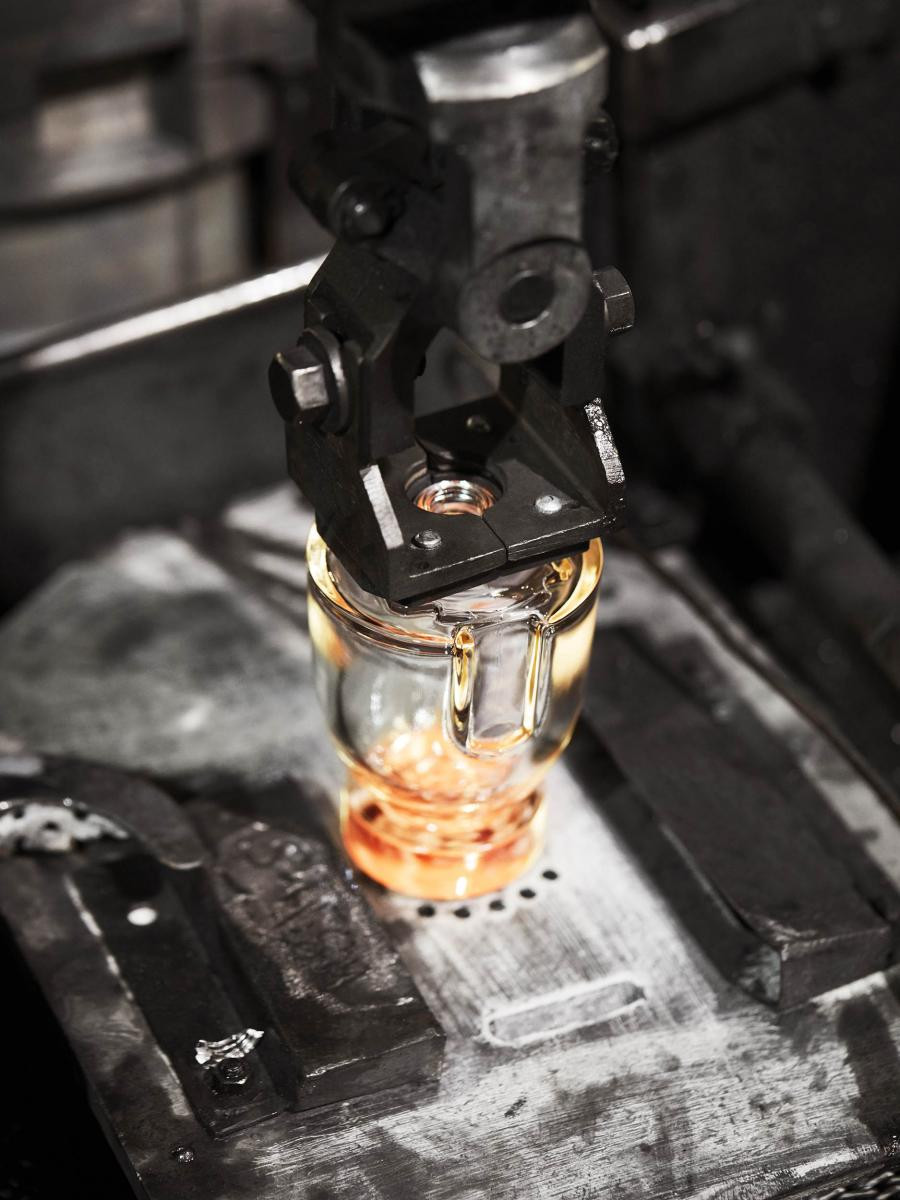
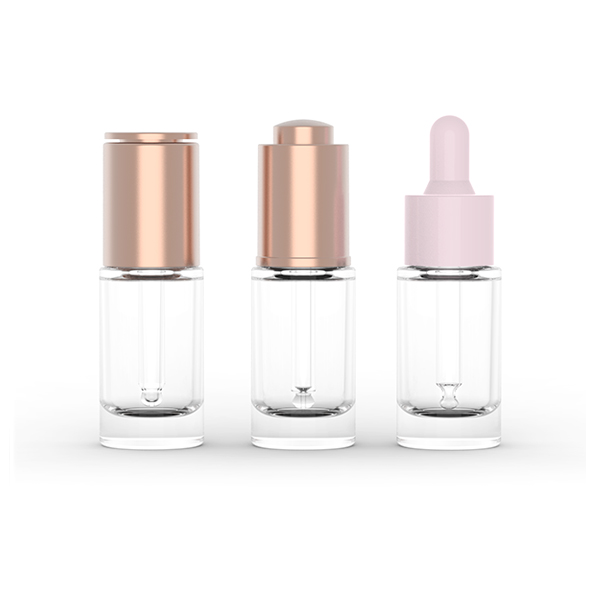
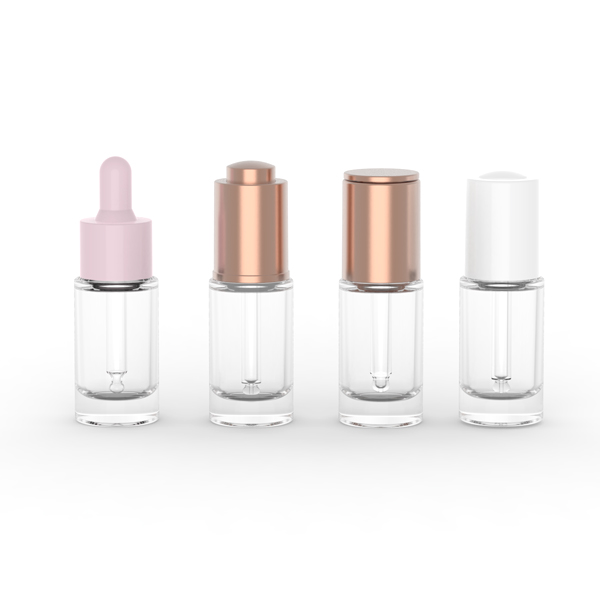
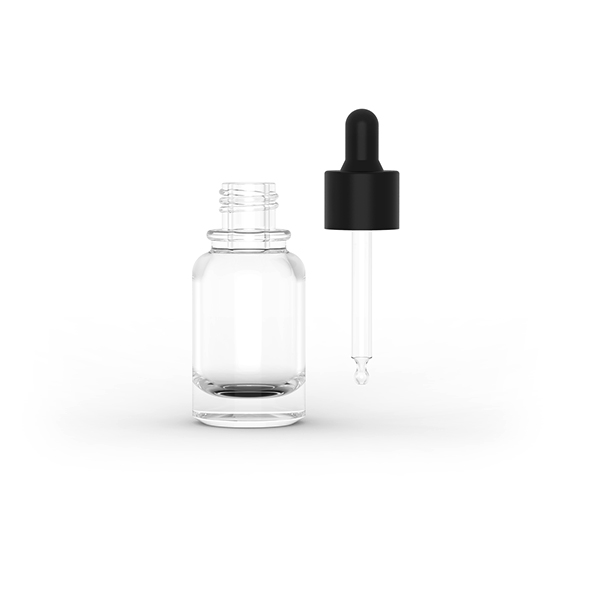
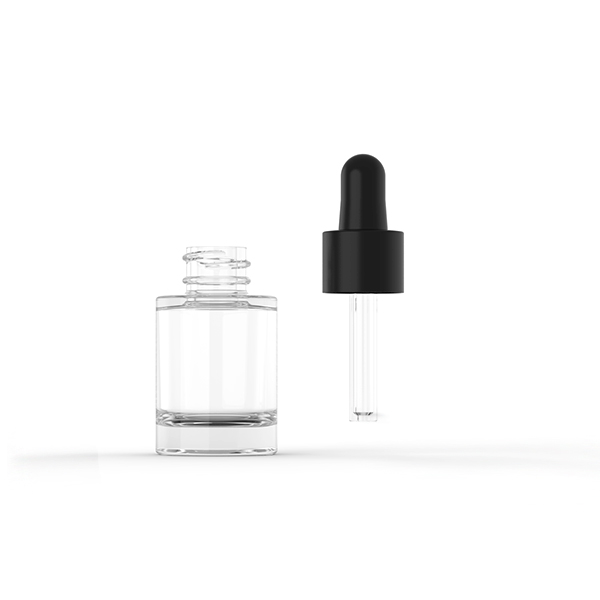
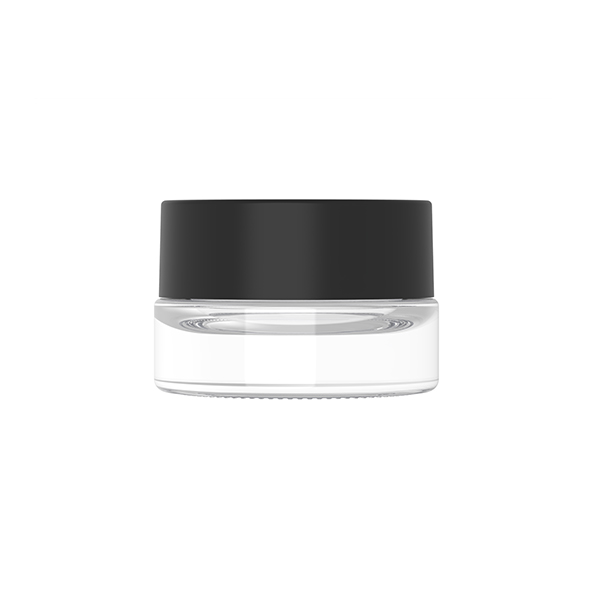
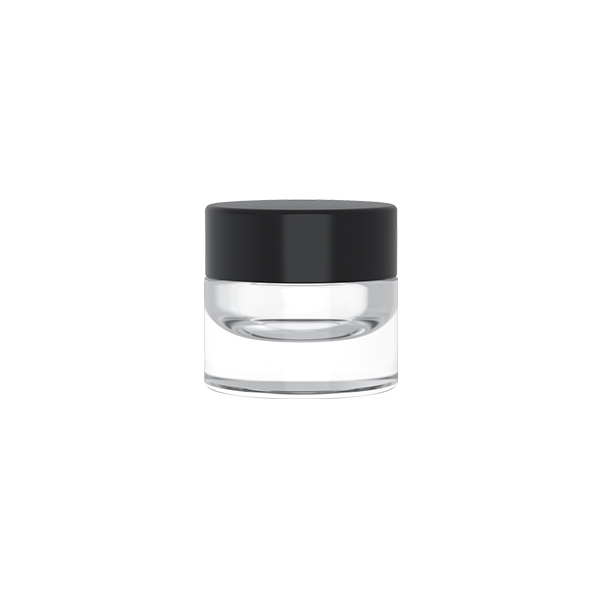
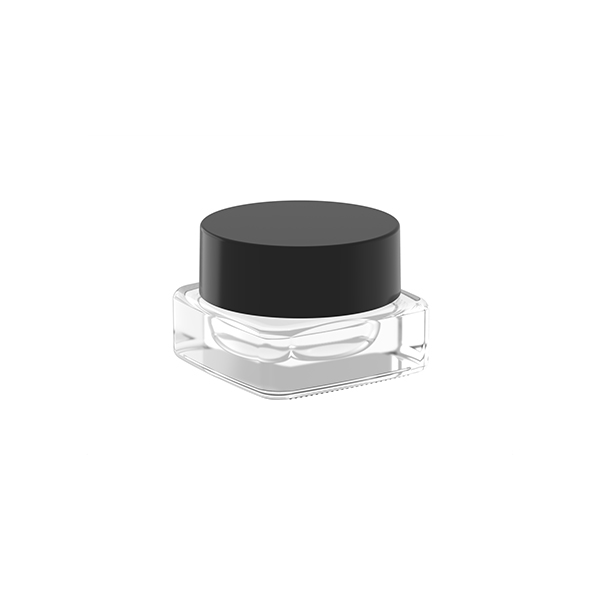
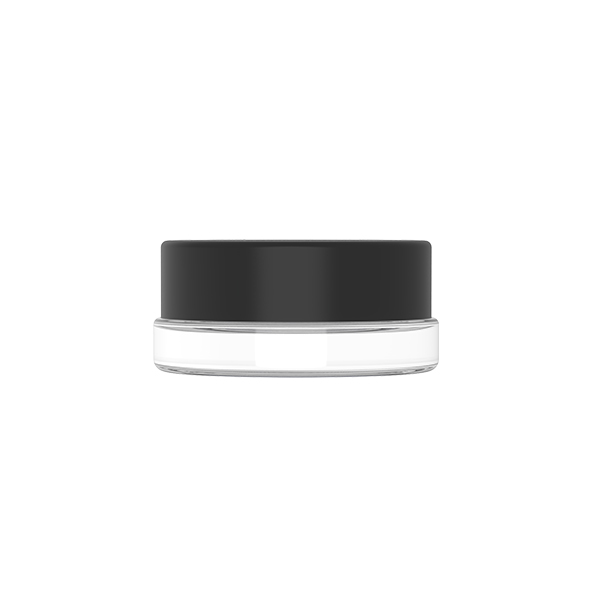
A premium lotion bottle is not simply a glass vessel; it is a complex mechanical system. The compatibility of the pump mechanism, the neck finish, and the formulation’s viscosity defines the user experience. At Lecos Glass, we follow rigorous engineering protocols to ensure that every custom component works seamlessly:
The thread profile of a bottle neck must adhere to strict GCMI standards (e.g., GCMI 20/410, GCMI 24/410, or GCMI 28/410). A minor deviation in thread lead, pitch, or minor diameter will result in formulation leakage or torque failure when using automated capping machinery during the filling process. We utilize precision optical scanners to inspect the dimensional tolerances of neck finishes to ±0.15mm.
Lotions, emulsions, and cream foundations vary widely in viscosity and rheological behavior. Standard lotion pumps deliver outputs ranging from 0.1ml to 0.5ml per stroke. High-viscosity formulations require pumps equipped with larger suction valves and double ball bearings to prevent clogging. We conduct drop tests and compatibility screening tests using the client's actual formulation to evaluate pump return springs and check-valve performance.
Applying logos and textures to glass requires chemical expertise:

Every batch undergoes thermal shock tests, vertical load resistance tests, and chemical compatibility tests, minimizing product failure rates to less than 0.05%.

By optimizing raw material sourcing and utilizing automated manufacturing lines, we offer stable pricing structures designed to protect your product margins.

We provide full customs handling, certificate management (COA, RoHS, FDA), and secure packing options to ensure safe delivery across the globe.
The beauty packaging sector is experiencing a major transformation driven by digital integration, sustainability mandates, and evolving consumer habits. As a leading manufacturer, Lecos Glass closely monitors these global shifts:
Circular business models are changing cosmetic packaging designs. Brands are moving away from single-use components in favor of heavy-walled outer glass vessels paired with thin, replaceable inner pods made from PCR plastic. This system allows consumers to reuse the outer glass bottle, significantly reducing carbon footprints and materials usage.
Using cullet (recycled glass) reduces energy consumption during melting. For every 10% of recycled glass introduced to our furnaces, energy use decreases by approximately 3%. However, incorporating PCR glass requires precise control over raw material purity to prevent cosmetic defects and maintain clarity in flint glass.
Indie skincare brands and dermatological laboratories are driving demand for clean designs. The traditional ornate packaging styles are giving way to sleek cylindrical or rectangular shapes, frosted glass surfaces, and monochromatic print schemes. These elements convey brand transparency, clinical safety, and modern sophistication.
Illuminated by the high aesthetics and elegance of world-famous cosmetic and luxury brands






Procuring custom glass lotion packaging requires careful risk management, as failures in container compatibility can impact product launches. This guide outlines key considerations for supply chain directors to ensure reliable sourcing:
Prior to committing to a production run, brands should request compatibility and physical testing under laboratory conditions:
Given global shipping variations, brands can mitigate risk by maintaining safety stock at regional distribution facilities. Choosing a manufacturer that offers integrated warehousing solutions can help stabilize logistics costs and support consistent distribution cycles.