 Lecos
Lecos
Lecos
Lecos
High-fidelity primary glass packaging tailored for advanced cosmetics, serums, and precision skincare formulas.
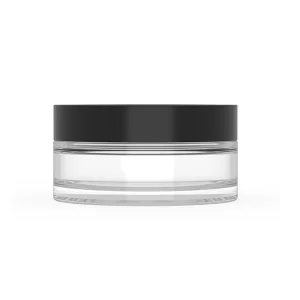
Unveiling the shifts in consumer psychology, regulatory environments, and formulation sciences driving glass bottle engineering.
The global primary cosmetic packaging landscape is undergoing a systemic paradigm shift. As skincare formulations become increasingly sophisticated—featuring active concentrates, volatile botanicals, and high-potency vitamins like L-ascorbic acid and retinoids—the chemical inertness of the packaging container is paramount. Custom glass cosmetic jars and bottles have transitioned from mere aesthetic vessels to vital preservation shields. Unlike plastics, which are susceptible to chemical leaching, gas permeation, and micro-degradations over extended shelf lives, high-density glass offers an impermeable barrier against oxygen, moisture, and ultraviolet radiation.
Concurrently, the circular economy is dictating design standards. Global cosmetics companies are phasing out single-use plastics to comply with stringent European Union packaging waste directives and global ESG mandates. Glass, as a 100% infinitely recyclable material, stands at the center of this sustainability renaissance. Major beauty conglomerates are prioritizing partners that can supply PCR (Post-Consumer Recycled) glass options and lightweight structural shapes that minimize transport-associated carbon footprints without sacrificing structural load capability.

Understanding supply chain resilience, custom tooling costs, and quality control metrics for high-volume cosmetics manufacturing.
For B2B procurement managers, sourcing custom cosmetic jars requires navigating complex technical parameters. Enterprise-level procurement is not merely about identifying the lowest unit cost; it is an exercise in supply chain risk mitigation. Brands must secure suppliers capable of delivering uniform thickness (to ensure compatibility with high-speed automated filling lines), pristine thermal shock resistance (critical during sanitization and hot-pour wax phases), and precise neck finishes (essential to prevent seal leakage of volatile active ingredients).
Furthermore, custom design execution demands specialized toolmaking engineering. Whether developing a proprietary heavy-base jar or a unique dual-chamber layout, the supplier's capability in custom CAD modeling, rapid 3D prototyping, and mold design determines the speed-to-market. Industrial buyers evaluate partners based on the availability of post-forming processing methods—including physical vapor deposition (PVD) electroplating, chemical etching for frosting, electrostatic color-spraying, and precision screen-printing.
Regulatory alignment is another critical pillar. Companies must prove compliance with FDA regulations, REACH mandates, and heavy-metal limits (such as lead and cadmium levels in glass and decoration pigments). Suppliers must furnish verified documentation and certificates of analysis (CoA) alongside delivery batches to guarantee seamless customs clearing and batch tracking.
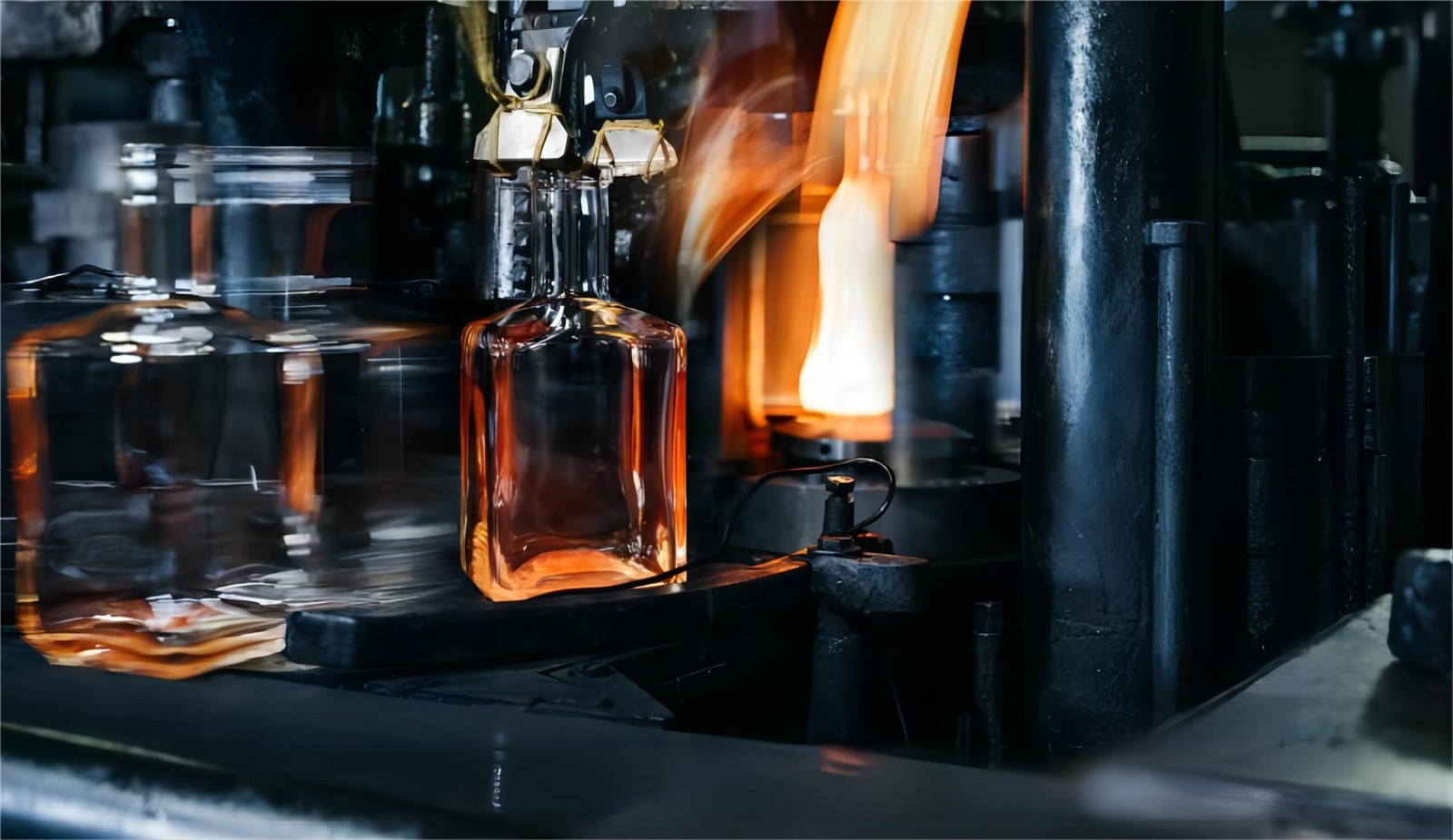
Integrating specialized craft with industrial capacity to support the DNA of global cosmetics brands.
Lecos Glass has been dedicated to the glass packaging industry for over 10 years, offering premium wholesale glass bottles and jars for cosmetics, perfumes, personal care products, essential oils, and premium candle jar glass packaging. We take pride in delivering bespoke glass bottles and jars tailored strictly to client-specified structural and design parameters.
Lecospack provides professional, stable, and cost-effective cosmetic glass packaging solutions to worldwide customers. We align with each brand's DNA, offering raw glass molding and secondary deep processing—including frosting, electroplating, spraying, decals, and high-precision silkscreen printing.
Our foundation is built on corporate social responsibility, ethical manufacturing, and environmental protection. We believe in fostering creativity, supporting diversity, and treating our global workforce and supply partners with respect, driving sustainability throughout our primary supply chains.
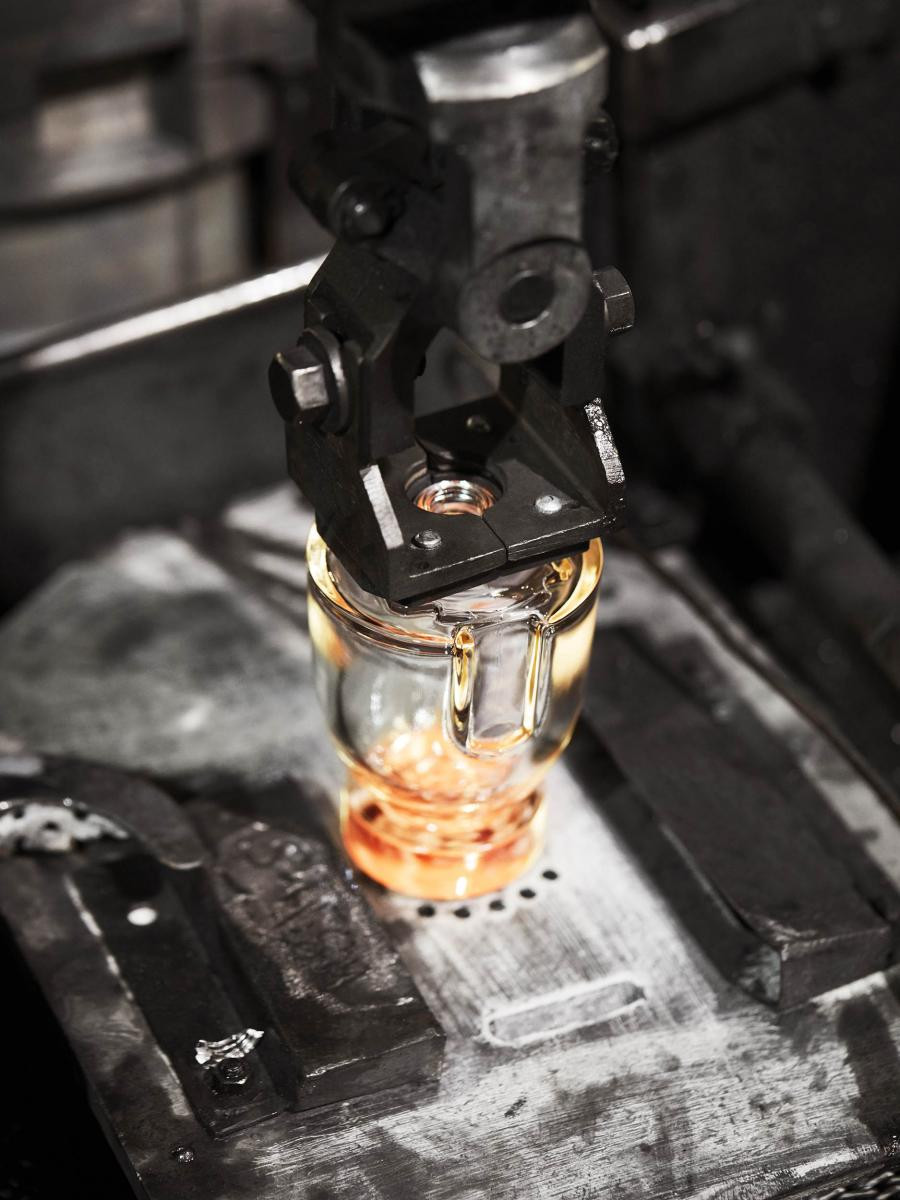
In the cosmetics industry, consistency is the ultimate measure of quality. A variance of less than 0.5mm in neck size or cap threading can lead to leakage, ruined formulation efficacy, and product recalls. At Lecospack, we implement stringent mechanical and optical inspection protocols throughout every step of production. By maintaining strict control over our raw materials and processing parameters, we ensure that every jar and bottle matches the exact specifications of the master technical blueprint.
Why leading global cosmetics brands select Lecospack for their primary packaging pipelines.

Using premium silica sand and refined minerals to produce ultra-clear, heavy-base, and robust glass structures that pass thermal shock and heavy compression tests.

By streamlining automated furnace operations and utilizing optimized mold configurations, we achieve cost efficiencies that benefit global B2B procurement budgets.

From initial structural sketches to customs dispatch, our specialized international support team ensures real-time updates and seamless delivery logistics.
An inside look at our advanced mold testing, automation furnace, custom decoration chambers, and precision assembly lines.
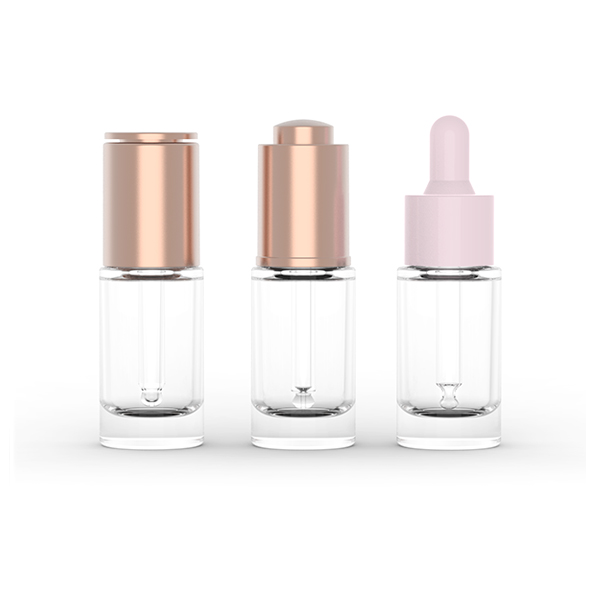
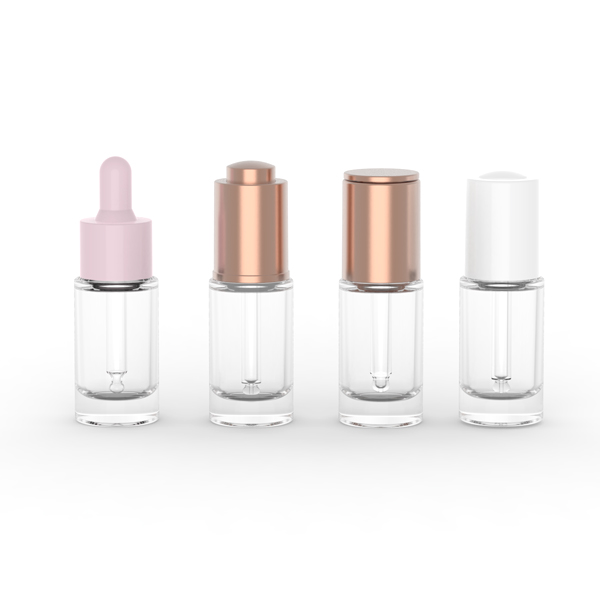
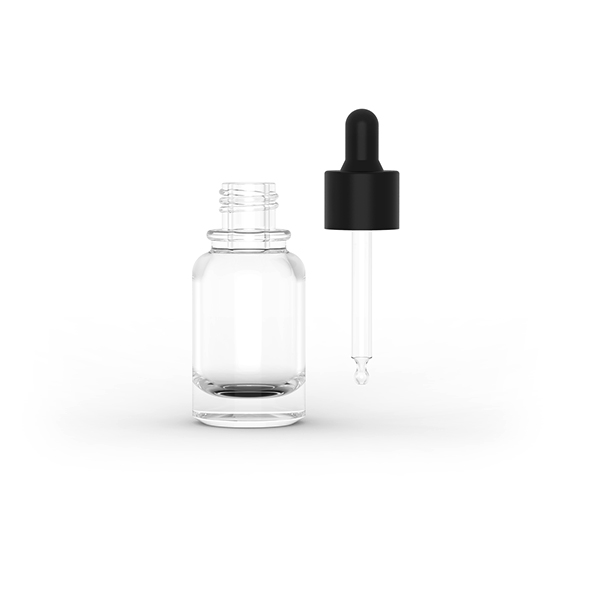
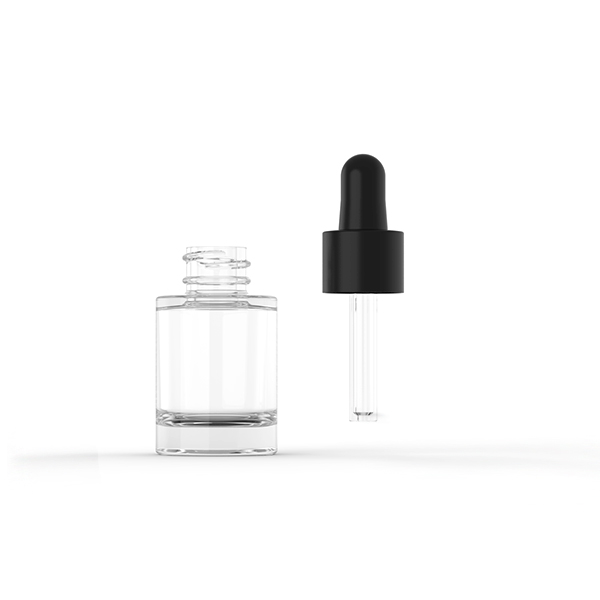
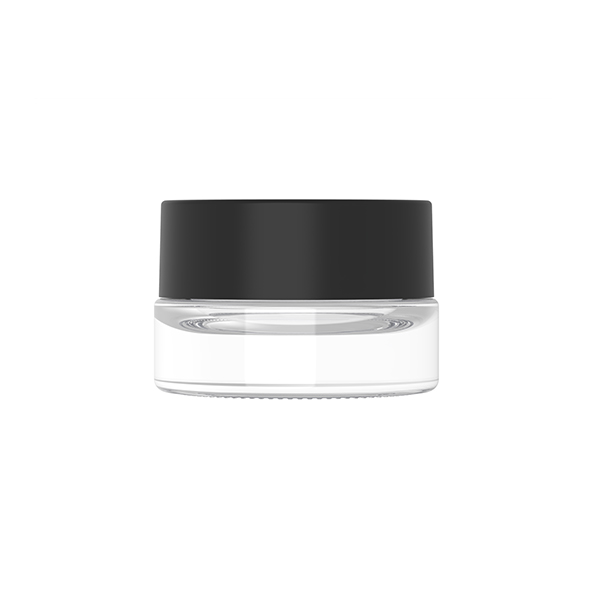
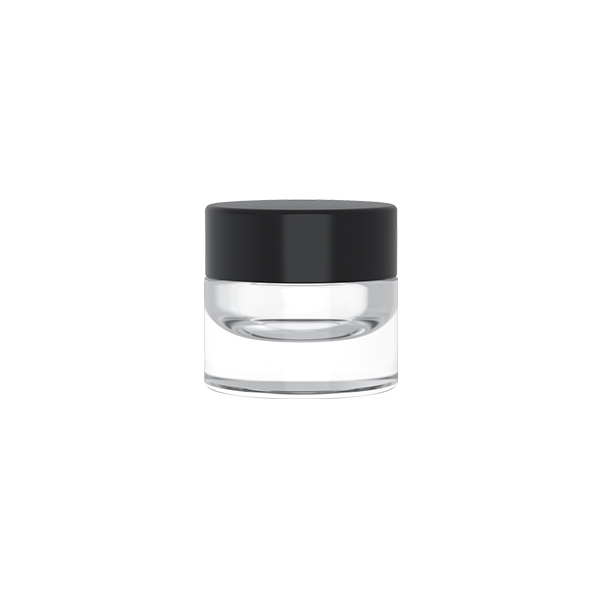
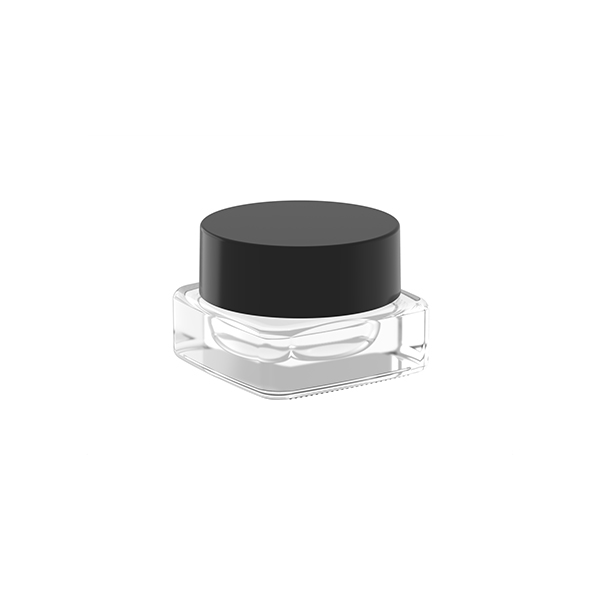
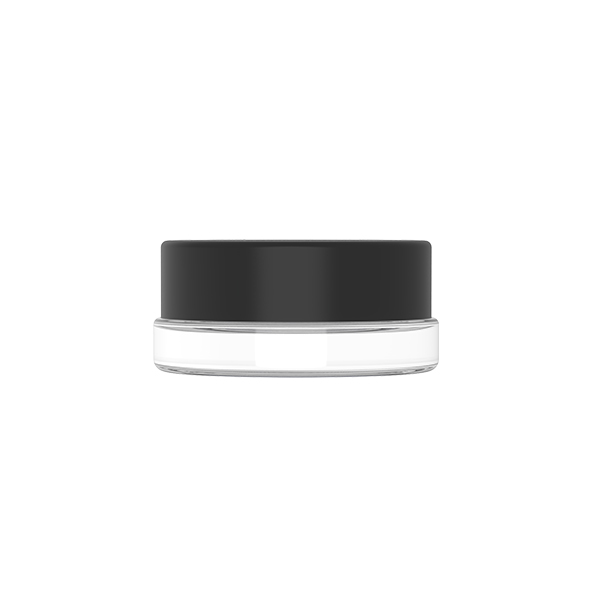
Analyzing custom design strategies for high-end skincare, professional spa lines, and luxury fragrances.
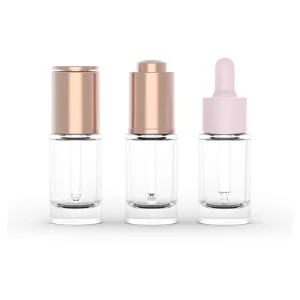
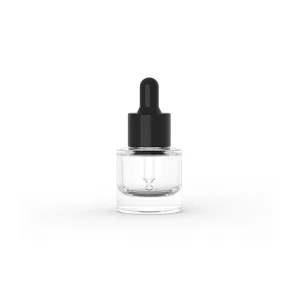
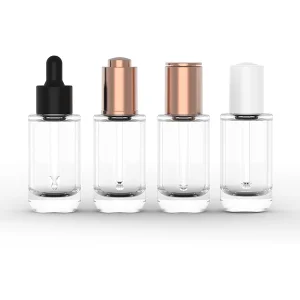
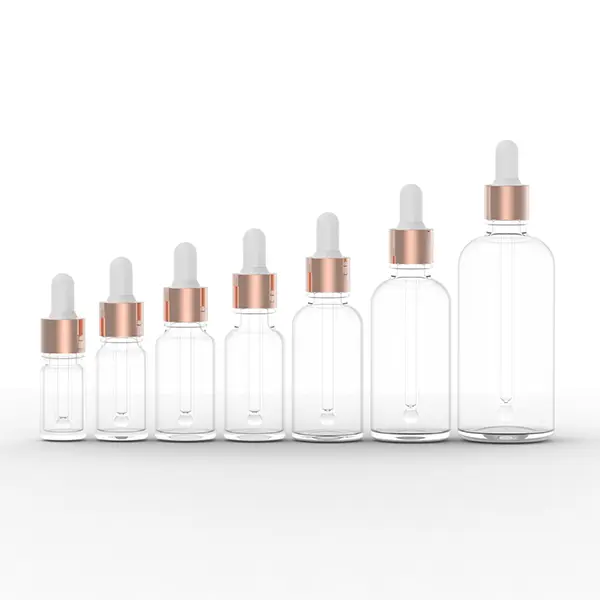
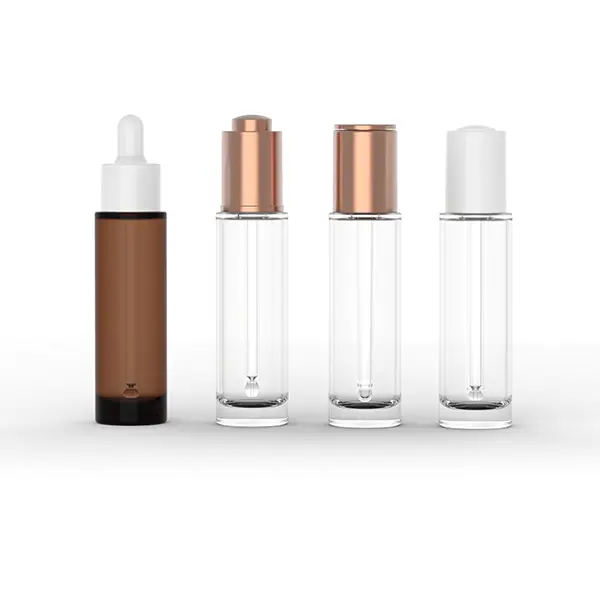
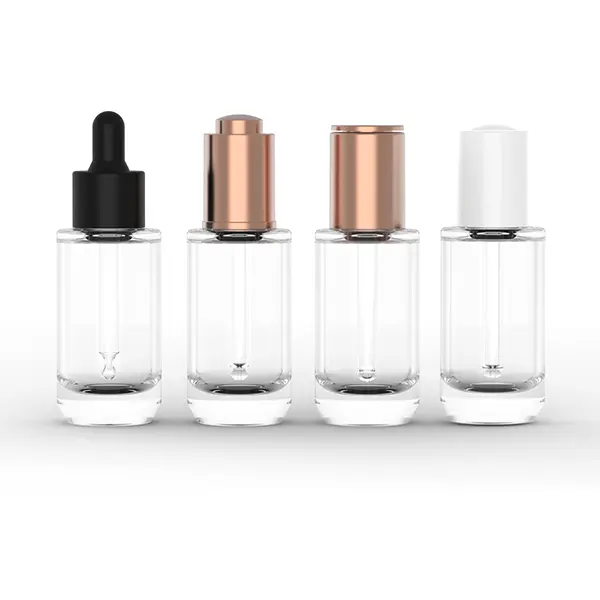
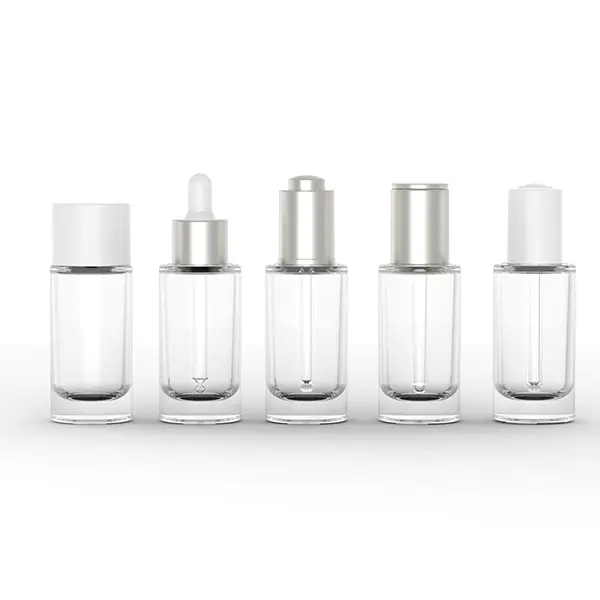
Different product categories demand unique packaging properties to balance functionality, consumer experience, and preservation. For example, high-concentration essential oils and premium serums must avoid light exposure to prevent oxidation. Amber and deep cobalt blue glass bottles are historically used for this purpose, but modern custom formulations require frosted coatings or opaque electrostatic sprays to block UV rays while matching the brand's minimalist identity. Our drop-dispensing units (such as the 5ml Glass Dropper Bottle SH05A) are engineered with premium NBR bulb materials that are highly resistant to oil-induced degradation, ensuring stable performance over time.
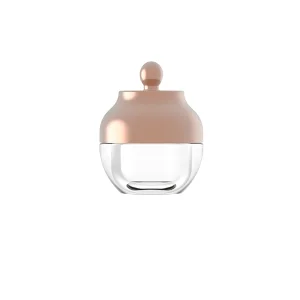
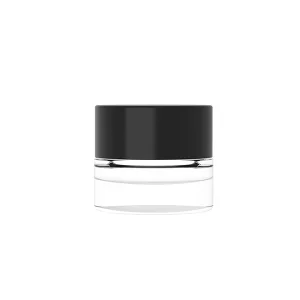
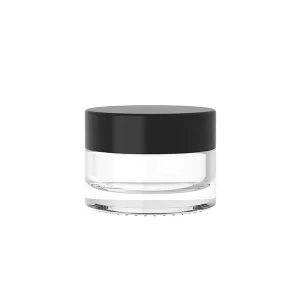
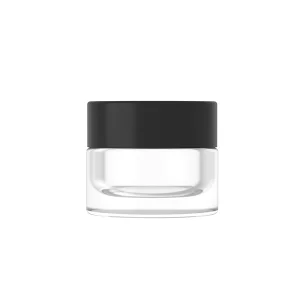
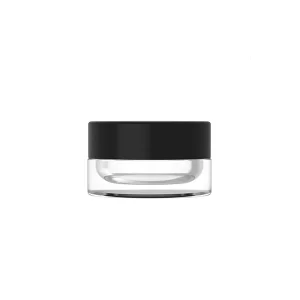
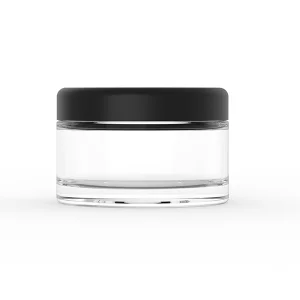
For prestige cream lines, heavy-walled luxury glass jars represent the gold standard of product presentation. The weight of a premium 15g or 100g cream jar provides a tactile sensation of quality that directly influences consumer value perception. To meet clean beauty standards, these jars are often designed with removable PP or PCTG inner cups, allowing customers to purchase refills while keeping the heavy-base outer glass shell. This combination of luxury appeal and environmental responsibility forms the basis of sustainable cosmetics packaging design.
Enhancing the glass surface through advanced physics and chemistry to create distinct brand identities.
Raw glass containers, while functional, serve as empty canvases. To truly stand out in the premium beauty market, brands rely on specialized secondary finishing techniques to add depth, color, and texture. Lecospack provides a full suite of in-house decoration capabilities, allowing brands to customize their packaging to match their unique visual identity:
Exploring the mechanical, thermal, and chemical testing steps required to guarantee cosmetic packaging integrity.
Before leaving the factory floor, every production run of cosmetic glass jars undergoes a strict series of testing procedures to prevent failure during downstream filling, packing, and shipping. This structured testing process is critical to maintaining high quality standards across our entire inventory:
The technological and environmental innovations shaping the next decade of glass packaging manufacturing.
The next decade of cosmetic glass manufacturing will be defined by sustainable materials and digital integration. As global regulatory bodies tighten rules around packaging waste, glass manufacturers are investing heavily in technologies that lower carbon footprints while maintaining high-end aesthetics:
Advanced Lightweighting: Utilizing narrow-neck press-and-blow (NNPB) processes to reduce the weight of glass jars by up to 30% without sacrificing strength. This weight reduction directly translates to lower shipping emissions and reduced fuel consumption across the supply chain.
Eco-Friendly Ink Chemistry: Transitioning away from traditional heavy-metal solvent-based inks toward organic water-based coatings and LED-cured UV inks. These advanced formulations allow the glass to be recycled without releasing harmful toxins during the melting process.
Refillable Glass Ecosystems: Combining durable, beautiful outer glass jars with lightweight, replaceable inner cups made from PCR plastics or biodegradable plant fibers. This design model allows consumers to reuse the primary glass container indefinitely, significantly reducing total packaging waste.
Collaborations and integrations that demonstrate our commitment to high-end aesthetic standards.








Technical and procurement answers regarding custom glass packaging design, production, and supply chain logistics.
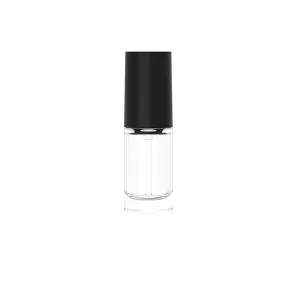
A complete selection of glass dropper bottles, spray vials, and lotion pump containers for your product development needs.