 Lecos
Lecos
Lecos
Lecos
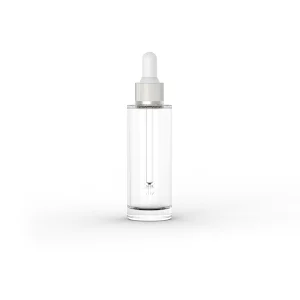
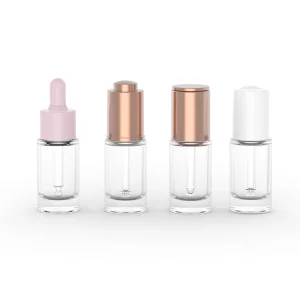
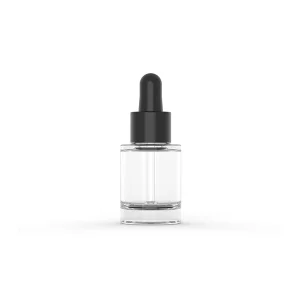
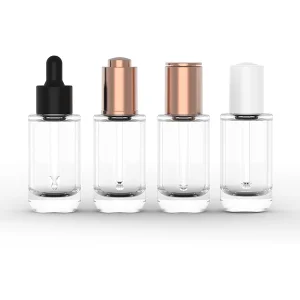
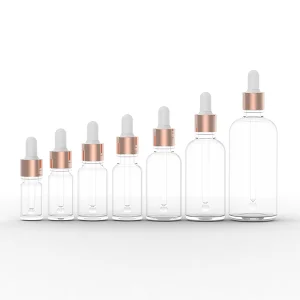
Discover our primary selection of wholesale skincare containers and specialized custom glass dropper assemblies.
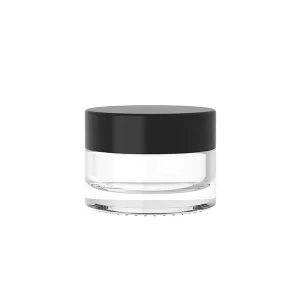
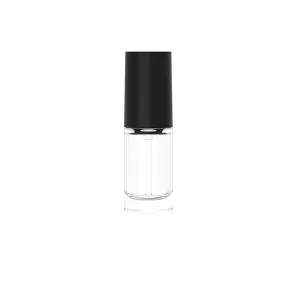
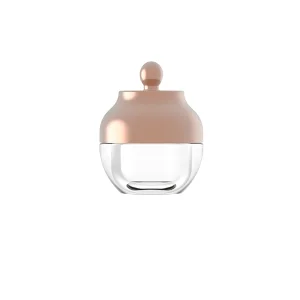
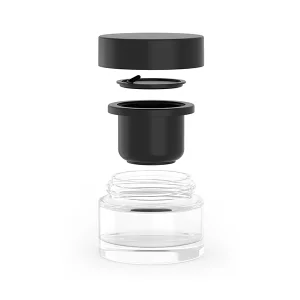
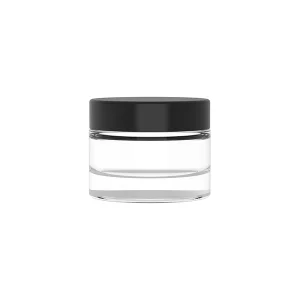
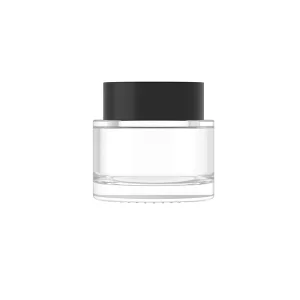
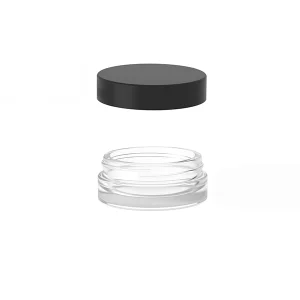
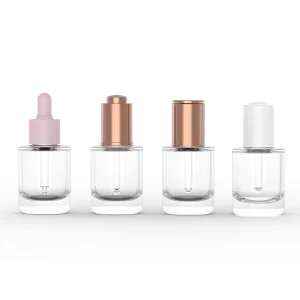
For clinical aromatherapists, prestige skincare conglomerates, and organic wellness startups, packaging is not just a container—it is the ultimate guardian of chemical potency and biological activity.
Essential oils are comprised of complex volatile organic compounds (VOCs) including delicate monoterpenes, sesquiterpenes, and aldehydes. These chemical bonds are highly susceptible to photolytic degradation, oxidation, and temperature fluctuations. In this context, customized glass packaging acts as a passive filter. High-end amber glass blocks electromagnetic radiation in the UV light band (200nm to 475nm), while deep cobalt blue and ultraviolet violet glass mitigate photodynamic breakdown of botanical structures.
Today's international beauty and therapeutic wellness trends are pushing brands toward circular economies. The global demand for essential oil packaging is experiencing a significant shift towards post-consumer recycled (PCR) glass, premium borosilicate formulas, and multi-use modular refillable platforms. Brands can no longer compromise between aesthetic prestige and ecological footprint; contemporary design mandates lightweighting glass without reducing structural integrity, paired with clean-room compliant dropper sub-assemblies.
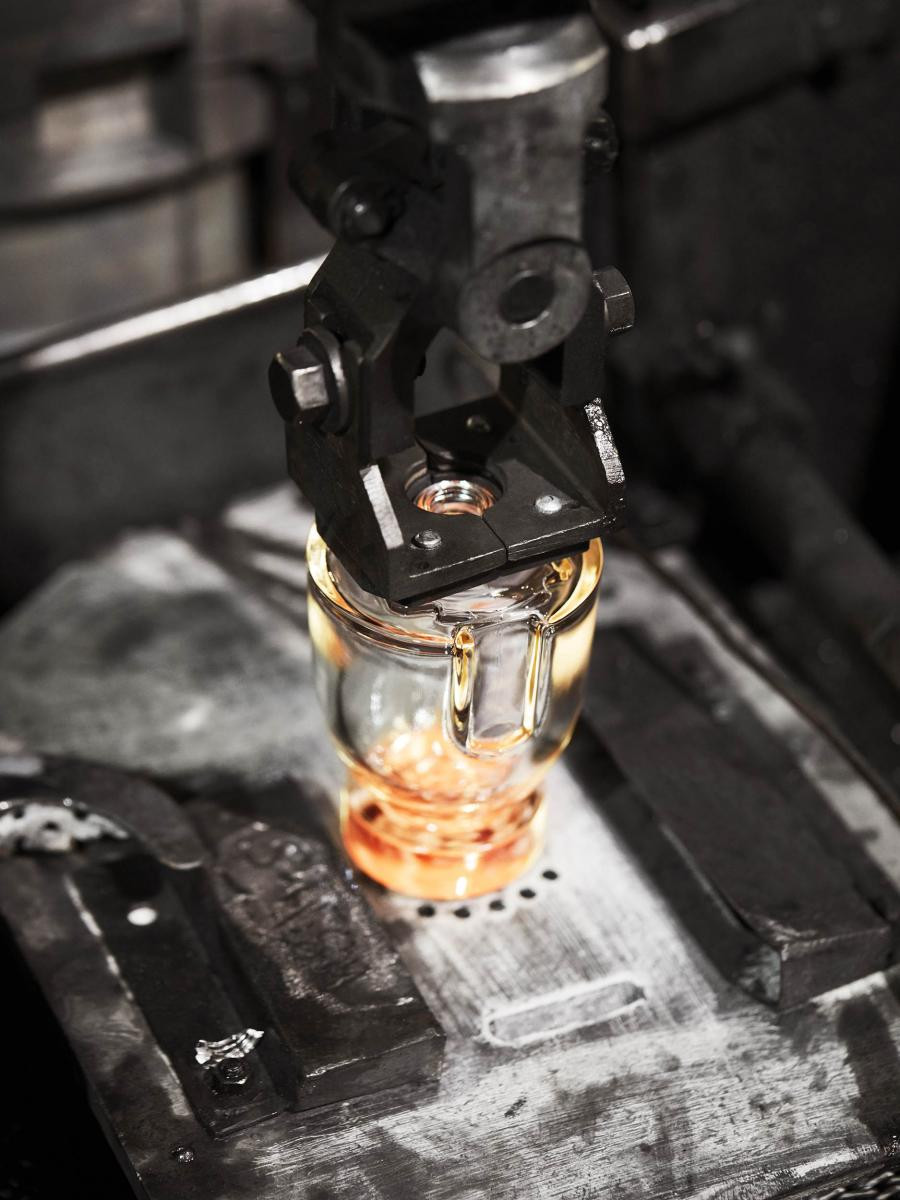

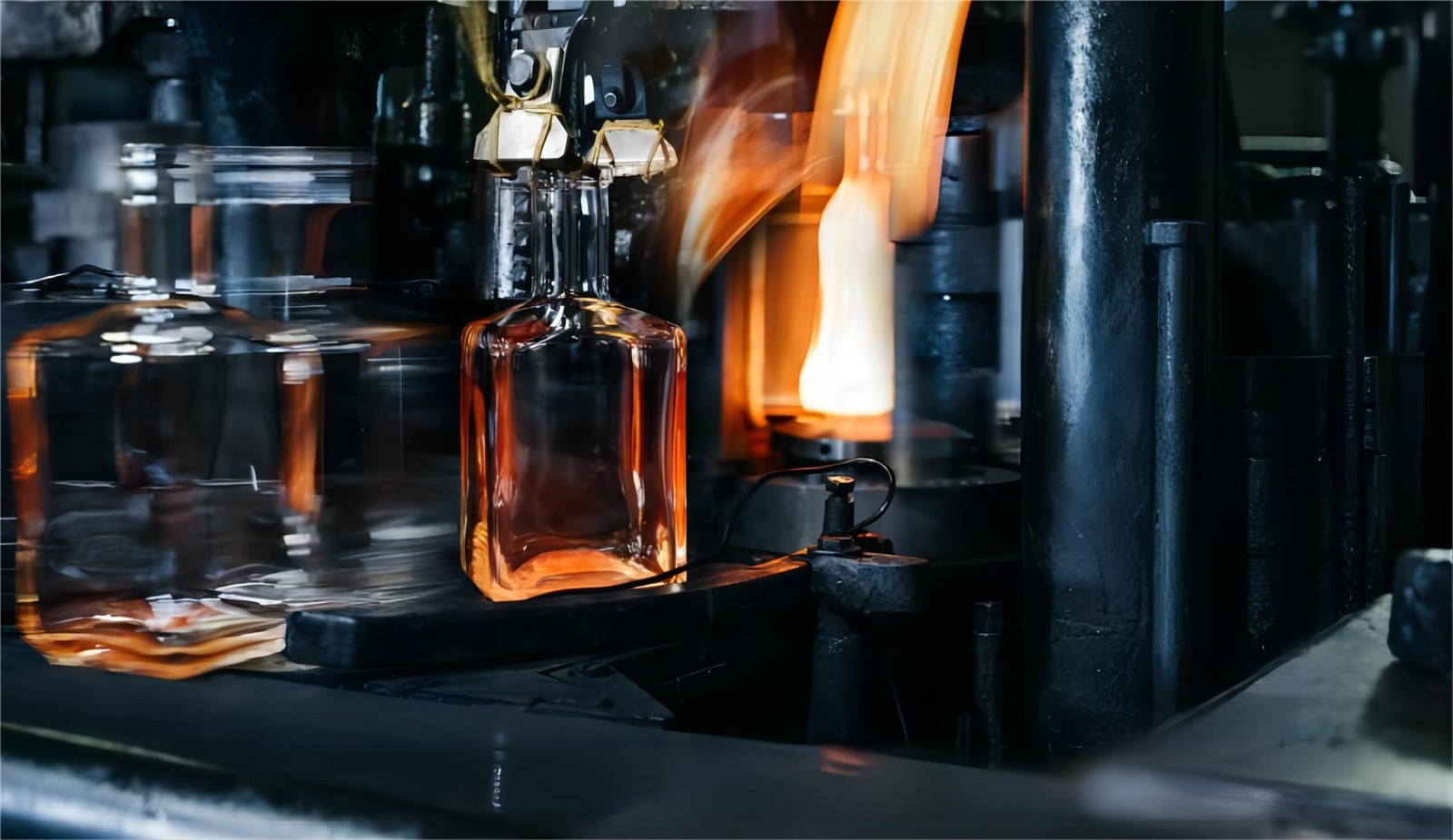
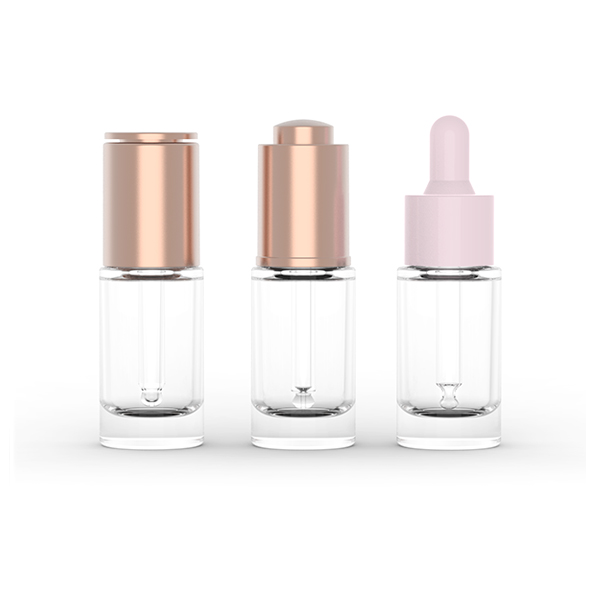
For over 10 years, Lecos Glass has dedicated its manufacturing intelligence to producing high-performance, aesthetically elevated glass bottles and cosmetic jars.
Our focus revolves around supplying the international beauty, personal care, essential oil, and candle industries with standard-setting glass containers. We pride ourselves on the ability to tailor bespoke bottles to our clients' precise DNA, bridging the gap between raw functional design and luxury branding. Our extensive portfolio covers a wide variety of glassware, including:
We leverage our years of industry experience to deliver stable, high-yield manufacturing and cost-efficient cosmetic packaging. Every batch of glass leaves our automated inspection lines under strict quality control. From initial design to finish processing, we offer custom finishing options including precision chemical frosting, electroplating, high-temperature ceramic spray coating, decal application, and multi-color silkscreen printing.
Our metrics are driven by precision, automation, and a commitment to zero-defect quality management.
How modernized glass factories in China are stabilizing global supply chains through automation.
Global procurement teams in the cosmetic and pharmaceutical sectors face persistent macro challenges: freight volatility, energy price fluctuations, and strict environmental regulations. Chinese manufacturing centers have adapted by transitioning into intelligent "Industry 4.0" ecosystems. Through automated material dosing systems, regenerative electric glass furnaces, and multi-spectral optoelectronic cameras at the cold-end stage, Chinese factories achieve production efficiencies that keep unit costs competitive without dropping quality.
This technological upgrade offers western buyers a stable supply network. With rapid prototyping systems, manufacturers can shift from design files to a physical 3D-printed glass mock-up in 48 hours, with test molds ready in less than 15 days. Additionally, advanced surface modification techniques (such as thin-film vapor deposition and chemical tempering) allow glass containers to resist mechanical stress on filling lines. This results in less breakage and higher production speeds for automated filling brands globally.
Our materials meet strict European (EC No 1223/2009) and US FDA compliance standards for packaging that comes into contact with cosmetic and clinical products.
We use premium type-III soda-lime and borosilicate glass formulations to prevent chemical reactions between the packaging and reactive volatile botanical formulas.
We offer custom structural design options, specialized neck finishes, custom branding debossing, and tailored cap configurations to build product value.
Strategic pillars designed to minimize lead times, maximize product quality, and keep client services responsive.

Utilizing high-end inspection lines with both manual and mechanical visual scans to ensure dimensional and optical consistency across all production runs.

Optimized energy use, high mold efficiency, and close partnerships with local material suppliers help us deliver competitive wholesale pricing structures.

Our support teams guide clients through the entire container design lifecycle, from mechanical drawings to global shipping logistics.
Our business rests on core values that guide our day-to-day operations and business relationships. Beyond standard production metrics, we maintain a strong commitment to social responsibility, transparent sourcing, and ethical manufacturing processes.
Lecospack works to lower the carbon footprint of industrial glass melt systems. By recovering heat from our kilns, we lower total fuel usage. We also support human rights in our manufacturing operations by offering safe working conditions, fair pay, and a welcoming environment that values diversity and encourages team member creativity.
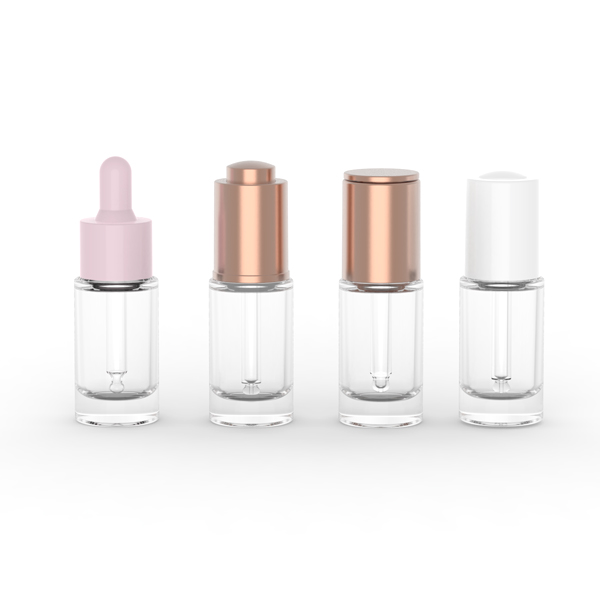
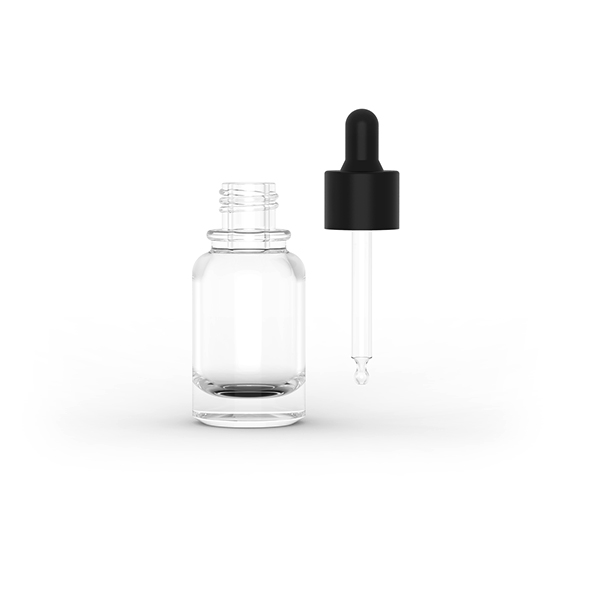
High aesthetics and precise function, designed for global luxury wellness brands.
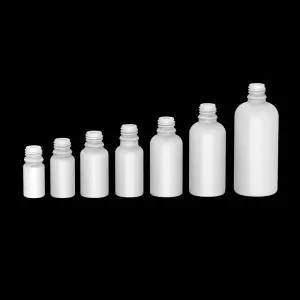
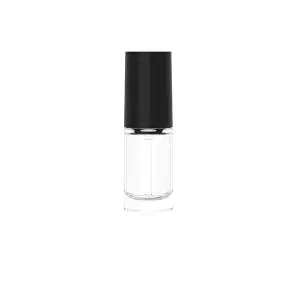
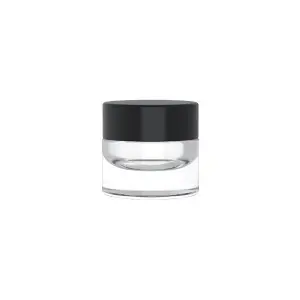
Detailed selection of slim, oval, and low profile designs for essential oils and premium serums.
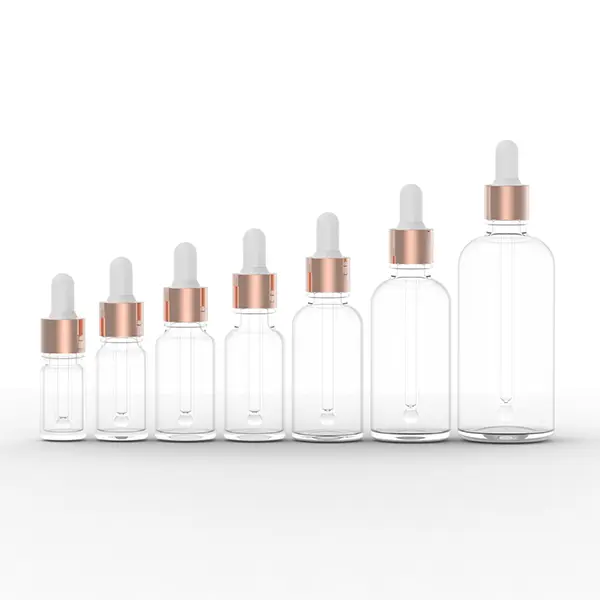
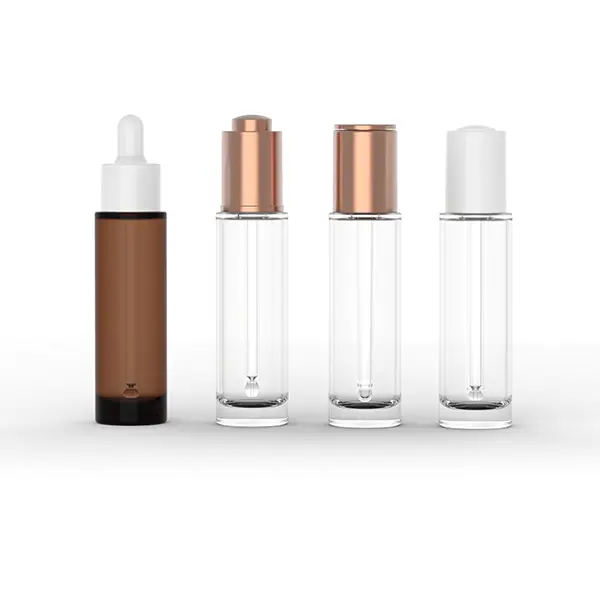
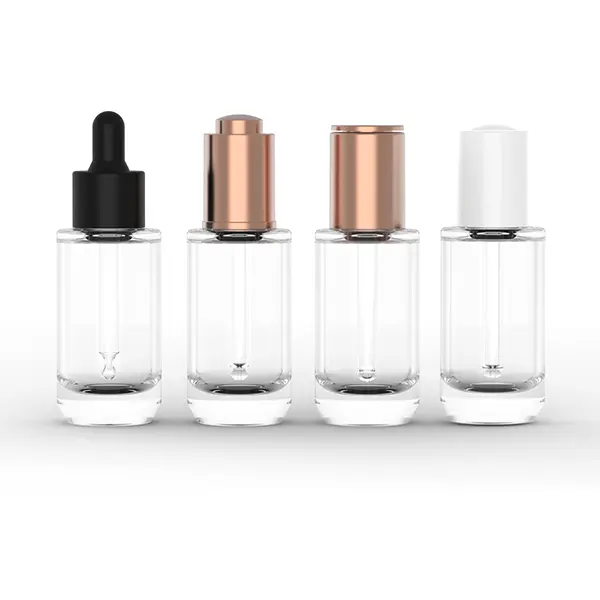
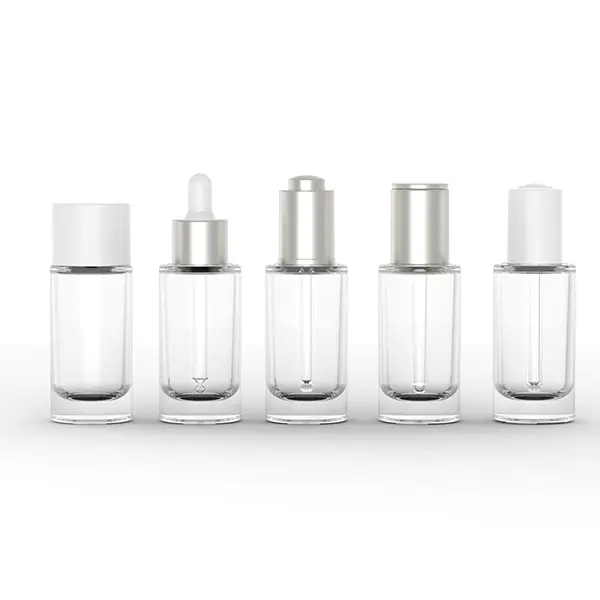
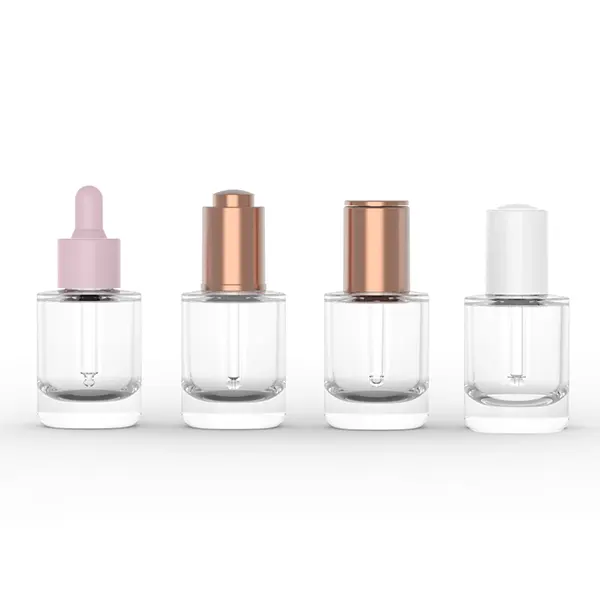
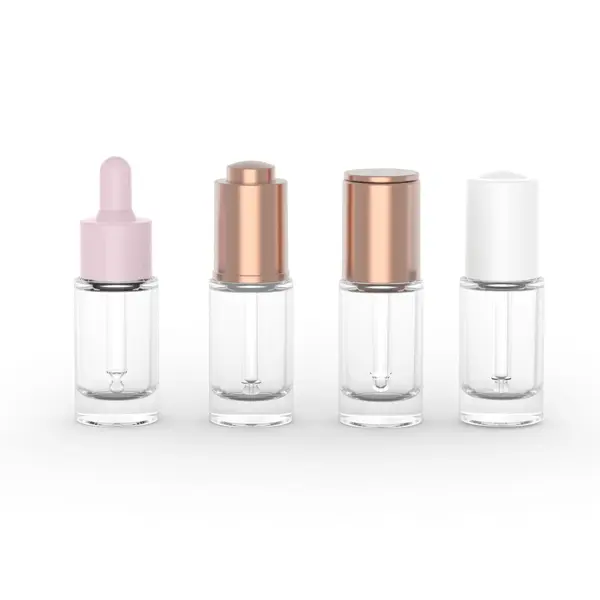
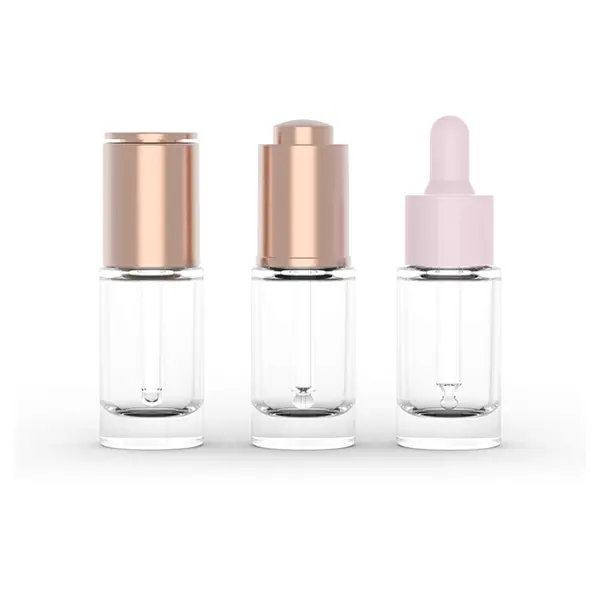
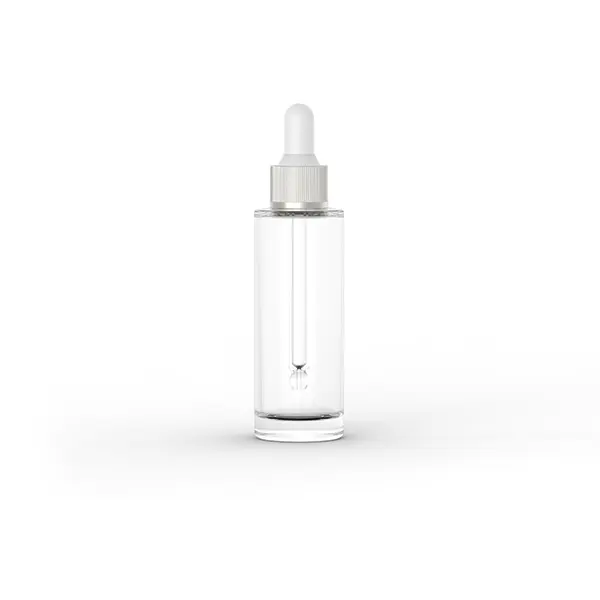
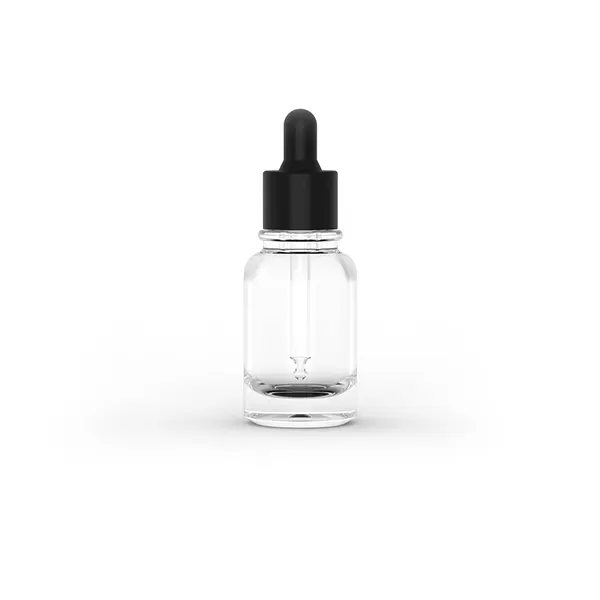
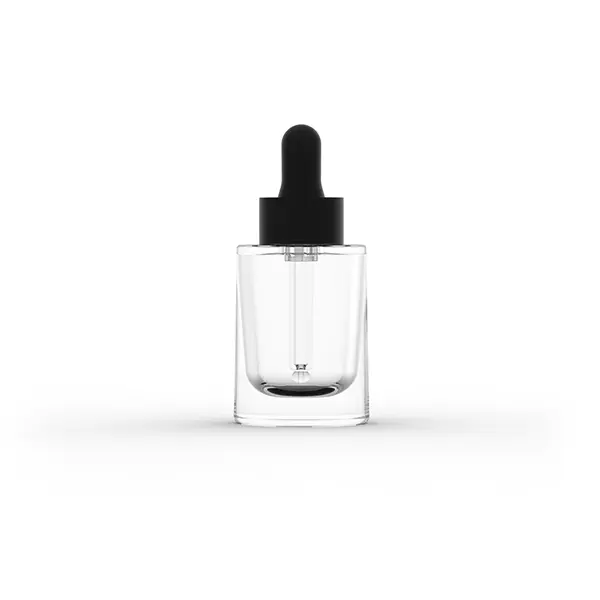
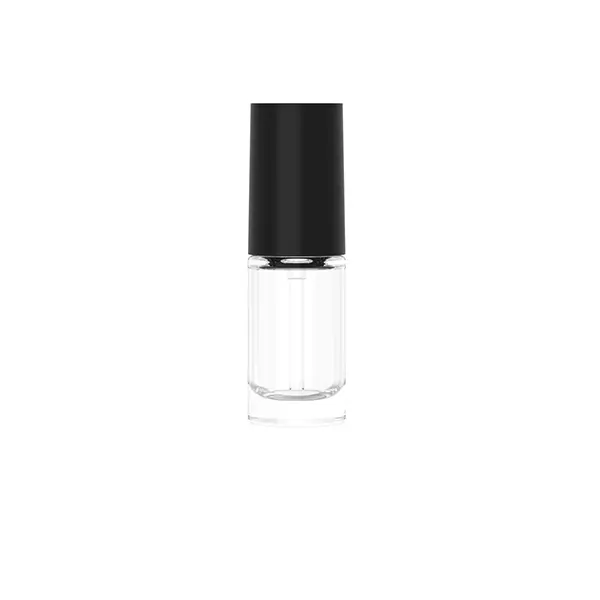
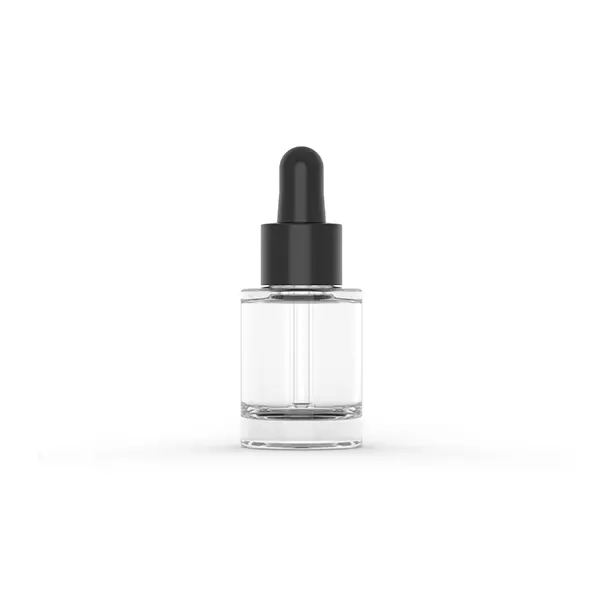
Tour our production, storage, and custom post-processing facilities.
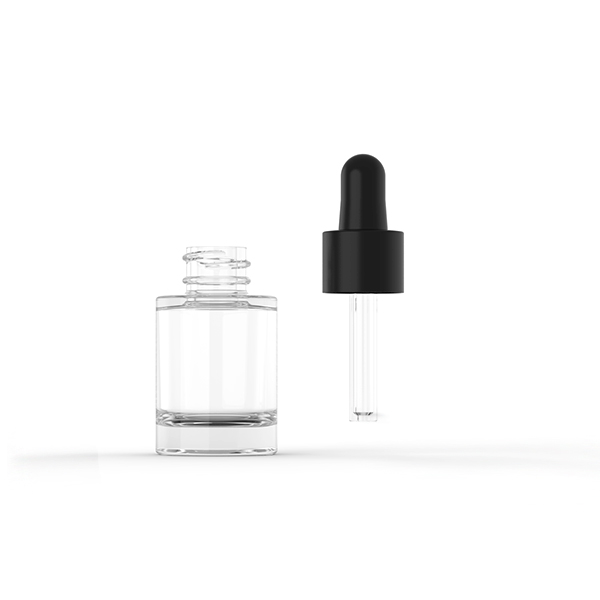
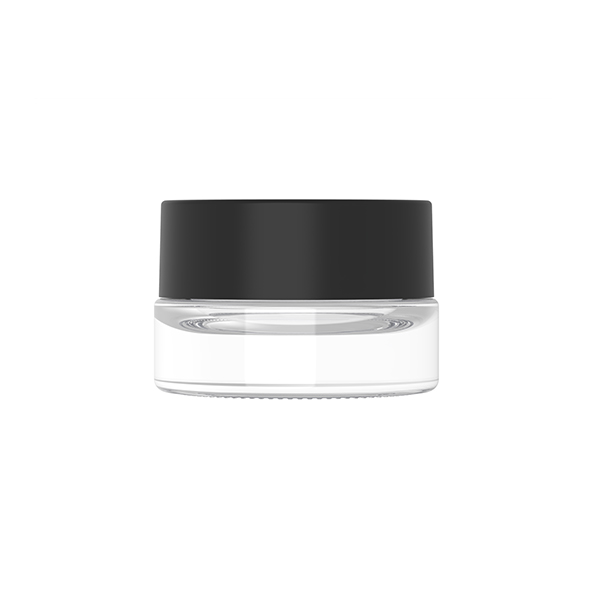
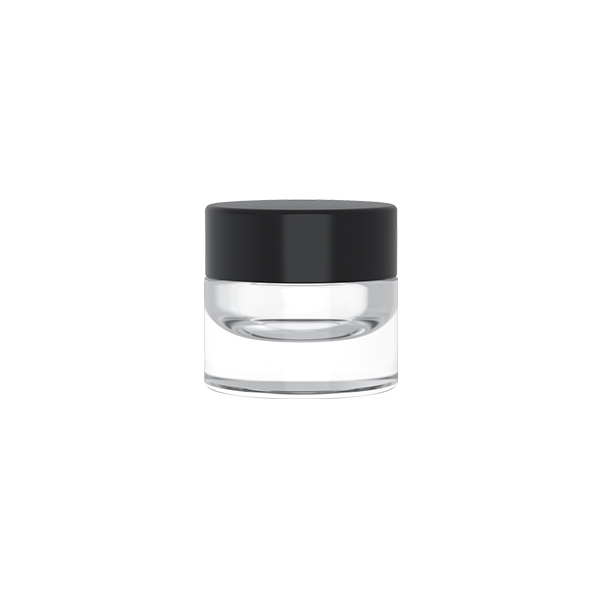
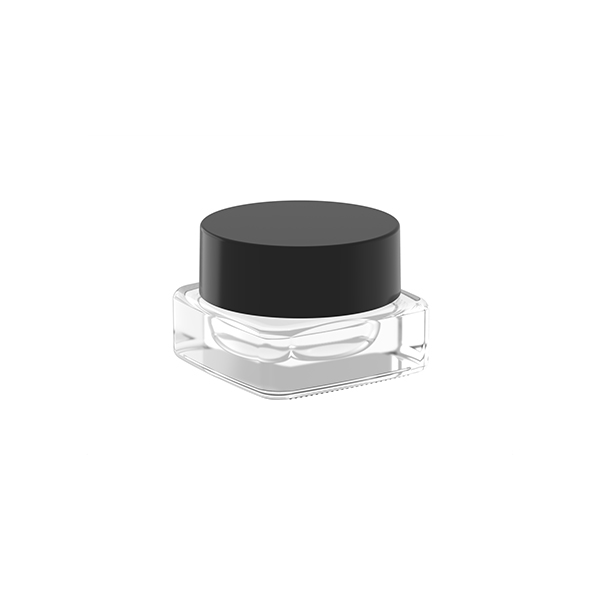
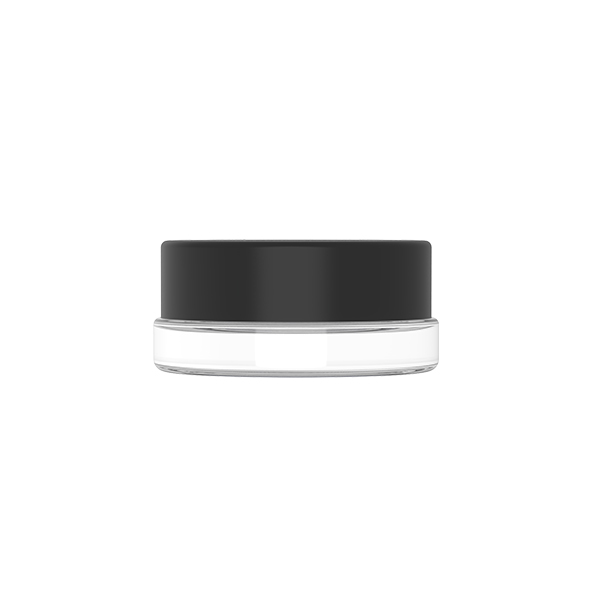
Supporting packaging needs for established international cosmetic brands and luxury distributors.









Technical considerations for engineering teams when pairing glass bottles with raw chemical formulas.
When selecting glass packaging for complex compounds, engineering teams must evaluate physical bottle thickness and glass type alongside outer aesthetic finishes. Chemical stability testing is required to confirm that natural compounds do not interact with the inner glass wall. For instance, heavy citrus oils with high limonene content can react with inferior plastics, which is why inert glass remains the industry standard for these formulas.
Cap and closure choices are equally important. Standard droppers require matching rubber bulb compounds (such as Nitrile, EPDM, or Silicone) to prevent the volatile fumes of the oil from degrading the bulb over time. Furthermore, glass factories must maintain tight neck thread tolerances (like 18/415 or 18/410) to prevent leakage during air transport or temperature shifts. High-quality manufacturers use advanced optical scanners to check every bottle neck before it goes to packaging, helping brands maintain consistent product quality in the market.
Detailed information regarding our pricing, minimum order quantities, compliance, production timelines, and logistics.
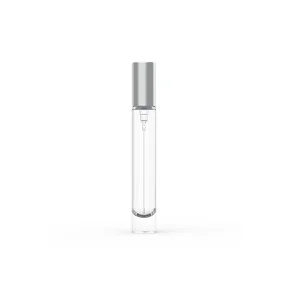
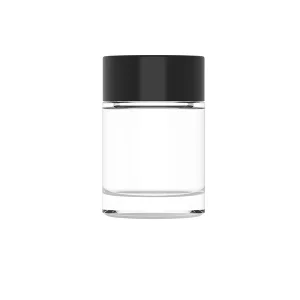
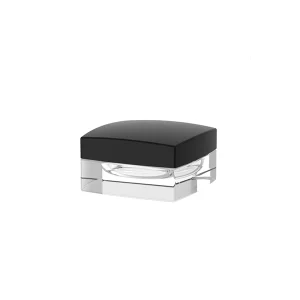
A complete selection of industry-standard cosmetic, perfume, and custom skincare packaging solutions.