 Lecos
Lecos
Lecos
Lecos
Explore our high-performance glass vessels designed with absolute precision, chemical inertness, and structural integrity.
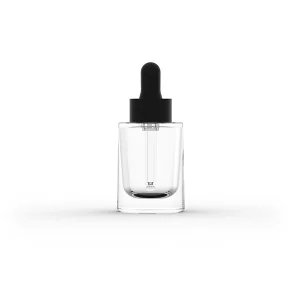
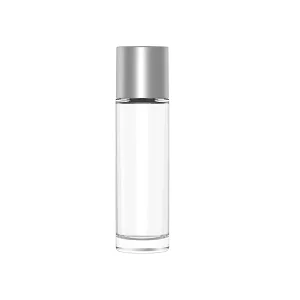
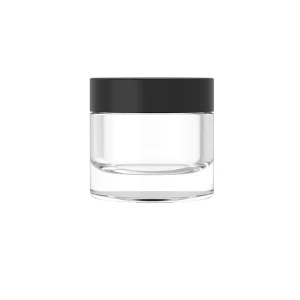
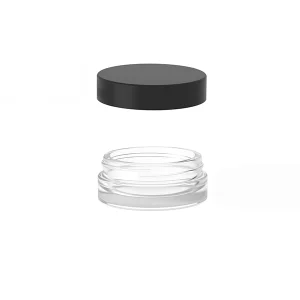
An analytical breakdown of supply chain structures, manufacturing compliance, and the strategic commercial shift towards premiumized glass packaging.
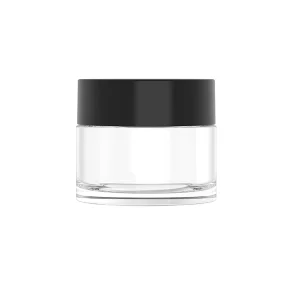
Within the modern global packaging supply chain, the 100ml glass jar with lid has evolved from a simple commodity vessel to a high-precision storage device essential across cosmetics, pharmaceutical preparations, specialty chemicals, and premium gourmet foodstuffs. As international regulatory bodies enforce more stringent policies on single-use plastics and chemical migration, global enterprises are shifting back to glass as the absolute benchmark for material safety and premium branding.
The 100ml capacity (approximately 3.4 fluid ounces) occupies a highly strategic position. Structurally, it represents the upper boundary of traveler-compliant fluid volume regulated by the TSA and corresponding aviation agencies worldwide, making it the default size for premium personal care products, travel apothecary collections, and high-value extracts. From a chemical perspective, glass offers an absolute gas-barrier profile. Unlike PET or HDPE, glass is completely impermeable to atmospheric oxygen, carbon dioxide, and humidity, ensuring that volatile organic compounds, active ingredients, and delicate natural oils remain structurally stable for extended storage lives.
"The choice of packaging is no longer merely a logistics concern; it is a critical variable in product preservation, regulatory compliance, and brand equity. The 100ml glass format represents the optimal nexus of volume, weight distribution, and barrier performance."
Globally, the manufacturing of custom 100ml glass jars is concentrated in key industrial clusters. Modern facilities rely on highly automated IS (Individual Section) machines, capable of outputting millions of high-uniformity jars per month. However, premium custom manufacturing requires a fusion of high-precision molding technology, advanced surface treatments, and rigid quality assurance systems. To meet the quality thresholds of international pharmaceutical and cosmetic brands, suppliers must operate in compliance with ISO 9001, ISO 15378 (primary packaging materials for medicinal products), and FDA cosmetic-grade glass guidelines.
Years Industry Focus
Lead & Toxin Free
TSA Travel Compliant
Chemical Migration Rate
Decarbonization, post-consumer glass implementation, and the development of airtight closure mechanics.
The global glass packaging market is undergoing a massive transformation driven by two distinct macro forces: the ecological mandate for circular economy integration and the commercial pressure for absolute product differentiation. Below, we examine the primary structural shifts defining the future of custom 100ml glass jars:
Modern glass manufacturing is increasingly incorporating PCR (Post-Consumer Recycled) glass, significantly reducing melting kiln temperatures and carbon footprints. Custom jars must maintain structural integrity while using up to 60% cullet content.
From precision acid-frosting and high-vacuum electroplating to organic ceramic screen printing, cosmetic and wellness brands are utilizing surface topography to convey sensory quality and luxury identity.
Custom lids are engineered using precision polymer liners (PE, Teflon, or induction foils) designed to prevent VOC outgassing. This protects active compounds from oxidative degradation.
Furthermore, local market preferences dictate specialized applications. For instance, European markets strongly emphasize eco-minimalism, prompting manufacturers to design lighter-weight jars that preserve strength while reducing material inputs. In North America and the Asia-Pacific region, the demand focuses heavily on high-end cosmetic custom jars with double-walled insulation aesthetics and heavy bases to suggest luxury status. Meeting these disparate global standards requires a versatile and highly capable engineering partner.
A deep dive into raw material formulations, molding technologies, and chemical stability certifications.
Understanding the exact metallurgy and chemistry behind high-quality 100ml glass jars is critical for purchasing managers, product designers, and quality assurance leads. The pathway from raw sand to a sterile, durable, and highly functional jar requires several meticulous steps:
High-grade silica sand is blended with soda ash, limestone, and alumina at exact ratios. To ensure compliance with USP Class VI and international food safety rules, the raw ingredients must be free of heavy metals such as lead, cadmium, and arsenic.
The glass batch is melted at 1500°C. Individual droplets of molten glass (gob) are sheared and fed into molding cavities. Using either the "Blow-and-Blow" or the "Press-and-Blow" method, the jar body and the critical thread dimensions are formed with tolerances within fractions of a millimeter.
Freshly molded glass is cooled down slowly in a controlled annealing tunnel. This process releases internal mechanical stresses, preventing spontaneous shattering and ensuring the jar can withstand high vertical load weights and rapid thermal changes.
Jars are sprayed with cold-end polymer coatings or hot-end metal oxide layers to reduce surface friction and prevent scratch degradation during high-speed bottling lines. Custom frosting or electroplating techniques are applied to achieve the desired cosmetic aesthetics.
For custom closure systems, mechanical threads must align with GCMI (Glass Packaging Institute) standards. A mismatch between the jar's neck finish and the lid's thread pitch leads to micro-leaking and premature product oxidation. Thus, working with a custom supplier like Lecos Glass guarantees that both the jar and the matched lid are tested as a unified, sealed system.
How our core values, advanced processing capabilities, and quality-first mindset shape the beauty and cosmetic industries.
Lecos Glass has been dedicated to the glass packaging industry for over 10 years, offering innovative wholesale glass bottles and jars for cosmetics, perfume, personal care, essential oils, and candle jar glass packaging. We pride ourselves on offering bespoke glass bottles tailored to our clients' precise brand DNA. Basically, we have a large range of glass bottles, jars, and accessories you'll ever need!
Lecospack provides professional glass cosmetic packaging solutions to worldwide customers. With years of experience in the field, we are capable of providing innovative, stable quality, and cost-effective packaging according to our customers' needs. The quality of our glass products is strictly controlled, winning the favor of both domestic and foreign customers, and we work directly and indirectly with many renowned global brands.
We also offer all kinds of customized deep processing for glass bottles and jars, including frosting, electroplating, spraying, decal application, and silkscreen printing. We insist on playing a vital supportive role in the global glass beauty industry.

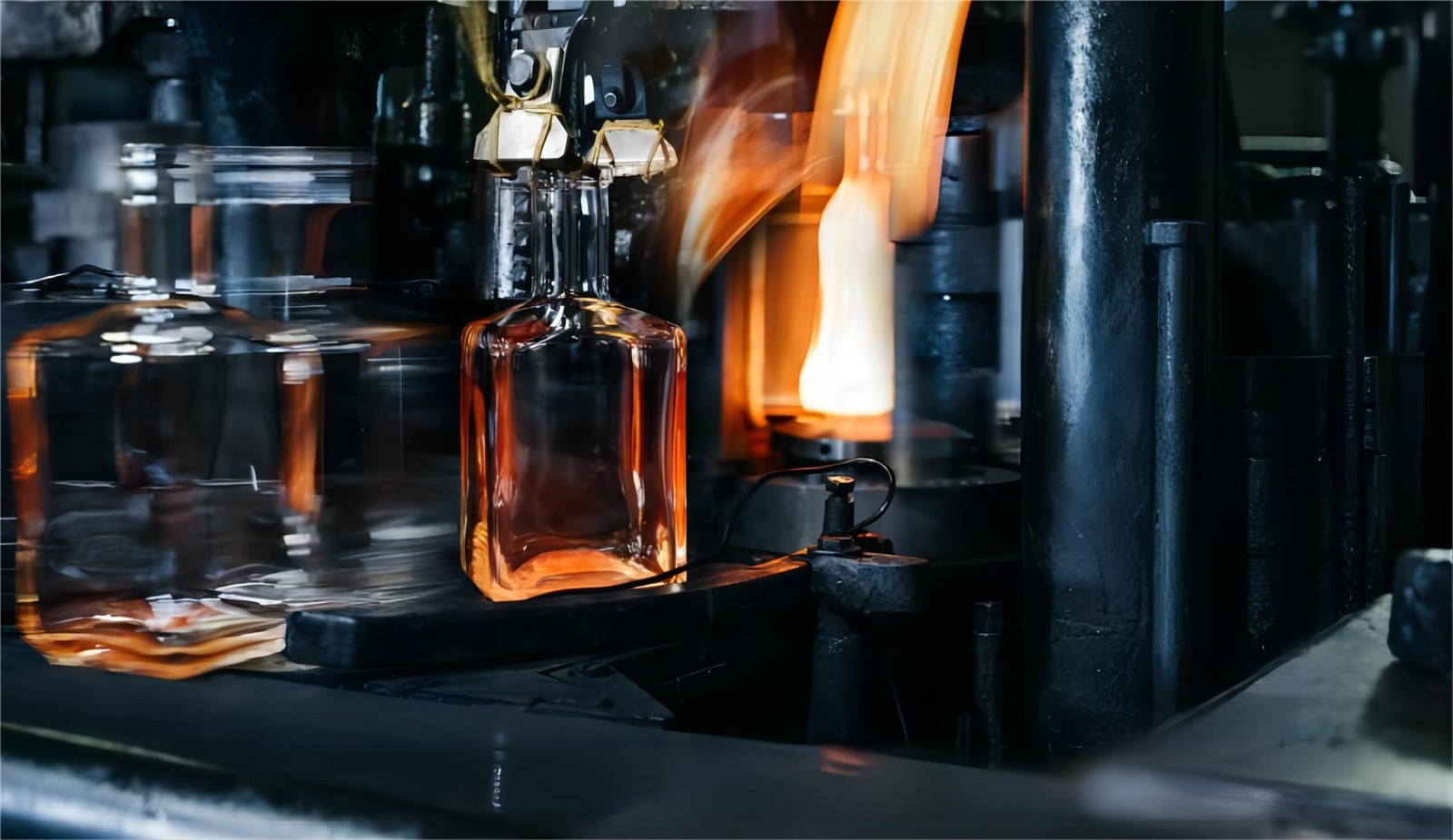
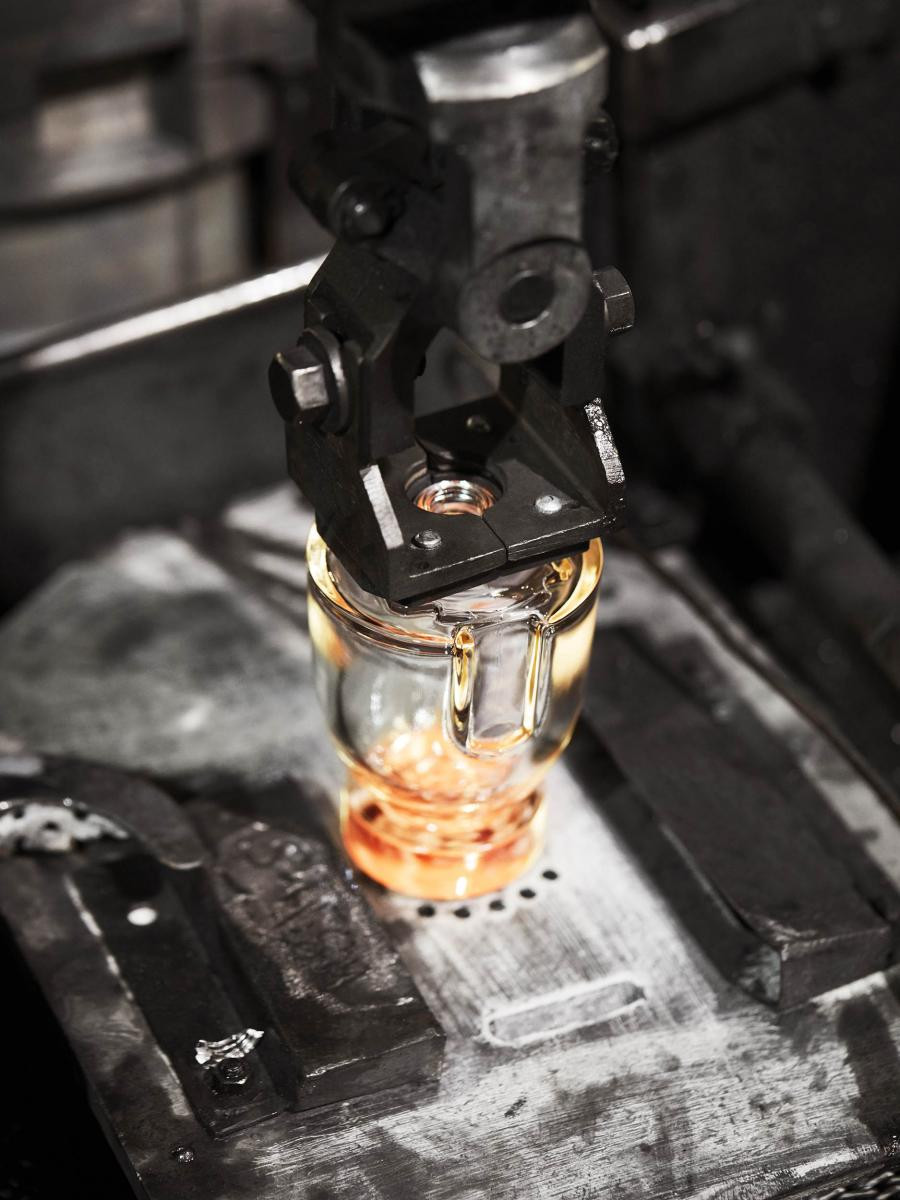
Our company is built on a solid foundation of deeply held values that set us apart, steer our actions, and infuse every aspect of our corporate culture. These values are not just words; they are the principles that guide how we operate daily. Central to our business practices is our unwavering commitment to social responsibility, adherence to ethical standards, and steadfast support for universal human rights. We are also dedicated to protecting the environment and making a positive impact in the communities where we live and work. We believe in fostering creativity and innovation, celebrating and embracing the richness of diversity, and treating our employees with the utmost respect and care.
Mitigating global supply chain risk, verifying QA parameters, and establishing optimal lead times.
For large-scale cosmetic formulators and pharmaceutical packagers, purchasing custom 100ml glass jars involves complex logistics and supply chain optimization. The main challenges center around fragility, transit safety, customization lead times, and regulatory document verification.
To mitigate transit damages, Lecos Glass employs advanced export packaging standards, including high-impact corrugated separation trays, structural pallet shrink wraps, and heat-treated wooden pallets. For specialized high-value projects, we offer hazard packing validation and custom structural cushions that practically eliminate cracking or scratching during sea transport. Additionally, full documentation (including FDA certificates, raw material safety datasheets, certificates of conformity, and organic coating reports) is systematically prepared to facilitate smooth customs clearance at major international ports.
"A robust procurement strategy focuses on total cost of ownership (TCO) and supply reliability. By optimizing mold life, using raw cullet strategically, and planning global logistics in phases, brands can reduce overall packaging expenditures by up to 20%."
Furthermore, our engineering teams assist brands in reducing their ecological footprint by introducing design innovations such as "lightweight glass engineering." By redistributing structural glass thickness from non-critical areas to the jar's neck and base, we produce a container that is 15% lighter but retains 100% of its mechanical drop-test resistance. This reduces both the unit cost and the environmental cost of shipping products globally.
Visual highlights of our production capabilities, custom printing, frosting, and final assembly lines.
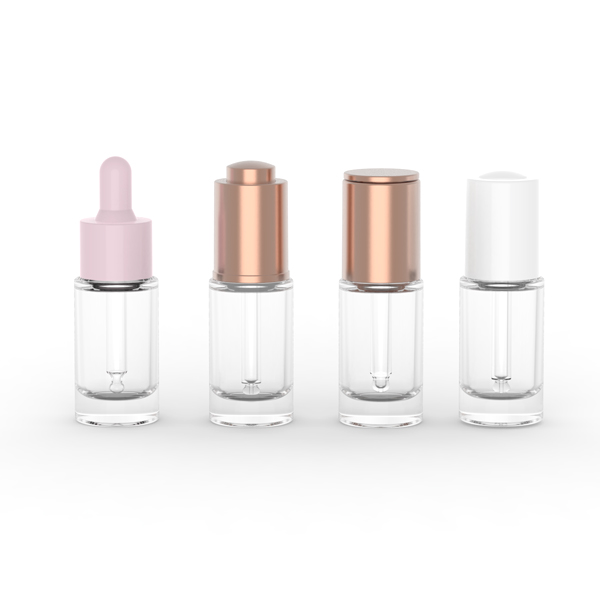
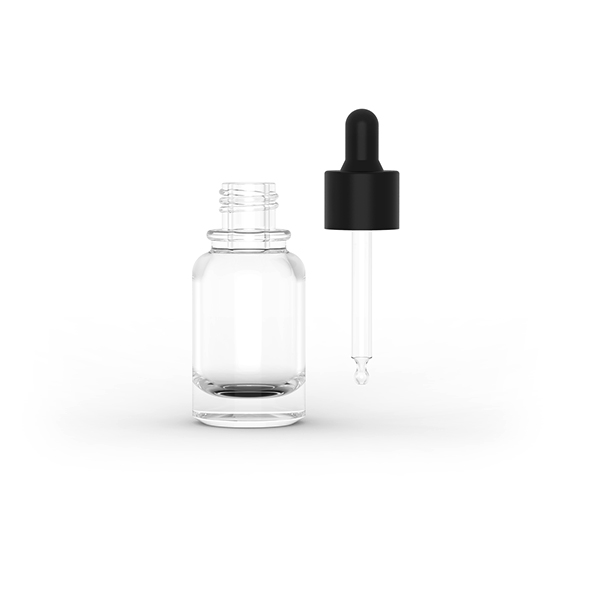
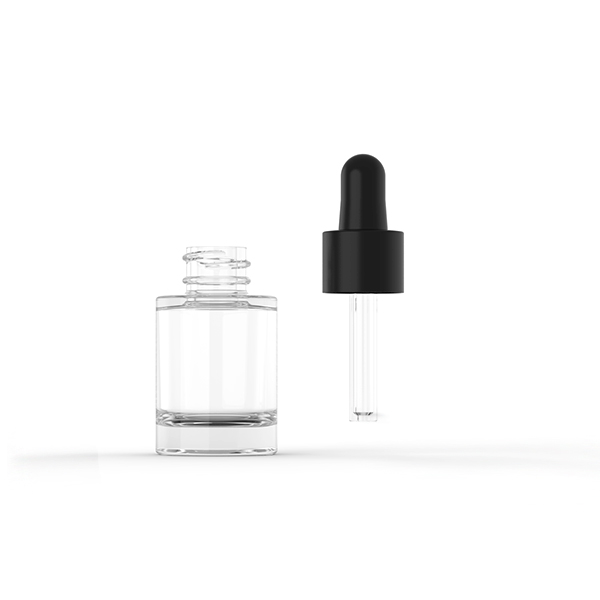
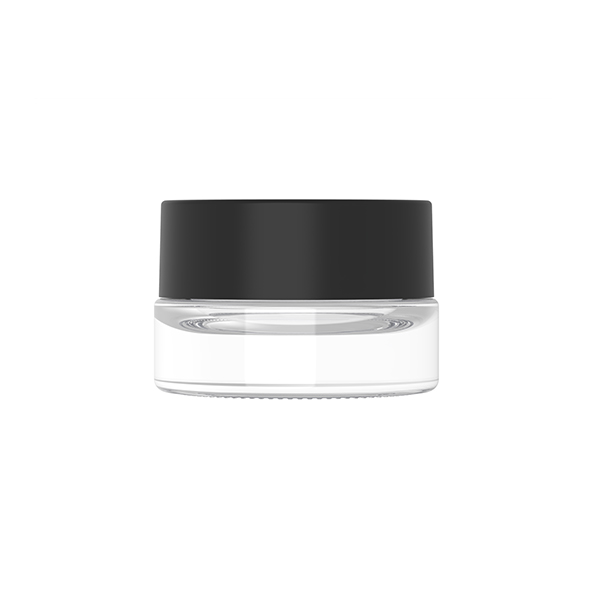
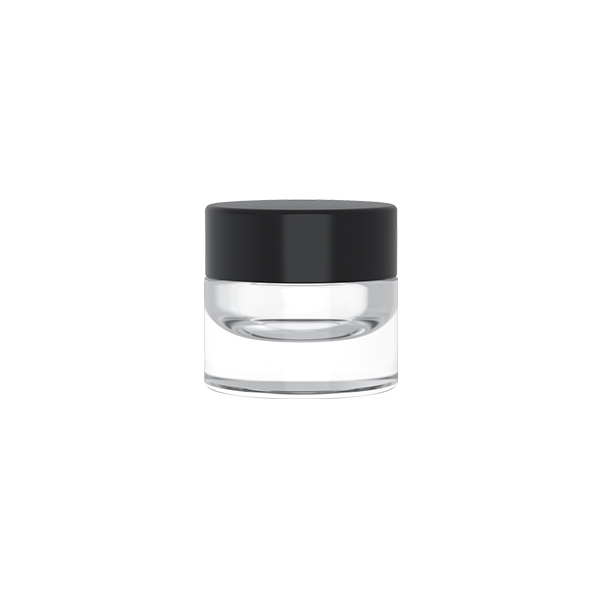
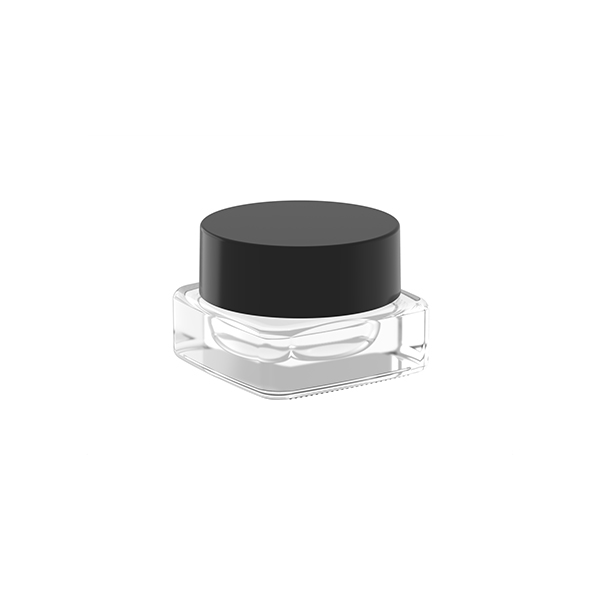
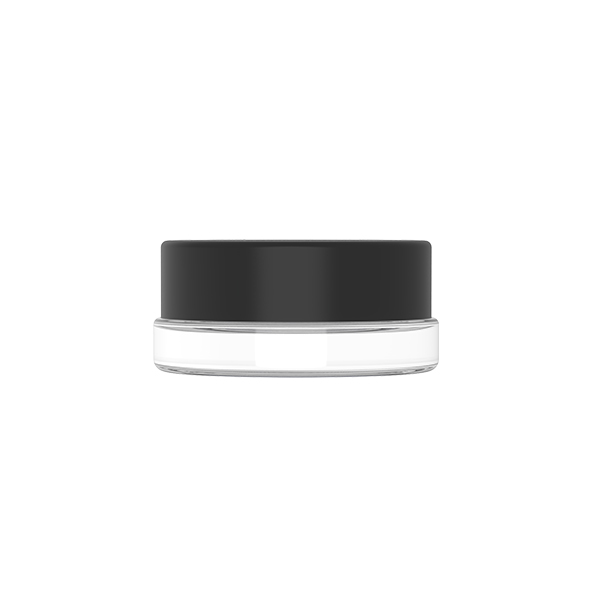
Illuminated by the high aesthetics and elegance of the most famous luxury cosmetic and perfume houses.





Technical, logisitical, and ordering details parsed for procurement specialists and brand founders.
Our prices are subject to change depending on supply, raw material costs, and other market factors. We will send you an updated price list after your company contacts us for further information and specifies design requirements.
Yes, we require all international orders to have an ongoing minimum order quantity. If you are looking to resell or conduct market testing in much smaller quantities, we recommend you check out our website's stock-list products or consult with our sales team.
Yes, we can provide most documentation including Certificates of Analysis / Conformance; Insurance; Origin documents, and other critical export documents where required by local border authorities.
For samples, the lead time is about 7 days. For mass production, the average lead time is 20-30 days after receiving the deposit payment. Lead times become effective once: (1) we have received your deposit, and (2) we have your final approval for the technical prototype. If our lead times do not work with your deadline, please consult your sales representative to find an expedited path.
You can make payments to our bank account, Western Union, or PayPal: a 30% deposit in advance is required, with the remaining 70% balance payable against the copy of the Bill of Lading (B/L).
We warranty our materials and workmanship. Our core commitment is to your total satisfaction with our products. In warranty or not, it is the culture of our company to address and resolve all customer issues to everyone’s satisfaction.
Yes, we always use high-quality export packaging. We also use specialized hazard packing for dangerous goods and validated cold storage shippers for temperature-sensitive items. Specialist packaging and non-standard requirements may incur an additional charge.
The shipping cost depends on the delivery method you choose. Express shipping is normally the quickest but also the most expensive. Seafreight is the best solution for high-volume orders. We can only give you exact freight rates once we know the details of your order amount, weight, and preferred route. Please contact us for details.
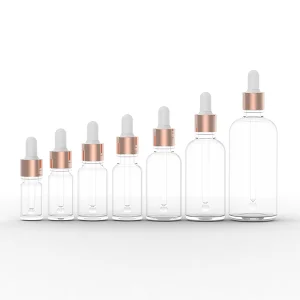
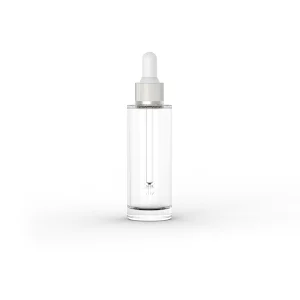
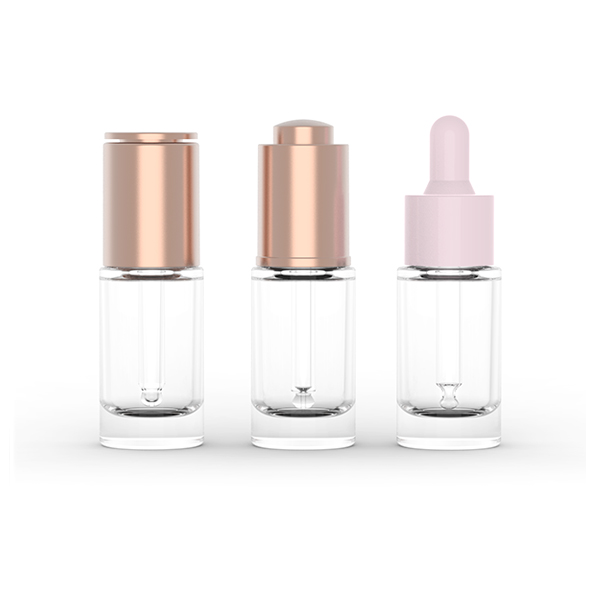
Complete your product lineup with our matching dropper bottles, jars, and luxury pumps.