 Lecos
Lecos
Whitepaper: Deciphering the Global Demand for China's Luxury Skincare Glass Packaging
The global luxury beauty sector is undergoing a profound paradigm shift. Today, primary packaging is no longer just a physical vessel to protect active formulations; it is the ultimate touchpoint of brand identity, a tactile expression of prestige, and a critical component of environmental stewardship. Brands are increasingly targeting "China Luxury Skincare Packaging Companies" because Chinese manufacturers have evolved from low-cost producers to world-class innovators, combining digital production efficiency with advanced post-processing craftsmanship.
1. Industry Evolution & Global Business Dynamics
Historically, European glassmakers dominated the prestige beauty segment, leveraging legacy manufacturing techniques and high brand equity. However, the rise of specialized Chinese glass companies like Lecos Glass has rewritten the landscape. Modern Chinese manufacturers offer a complete suite of services—from customized 3D design and mold engineering to complex surface decoration technologies like frosting, electroplating, and precision silkscreen printing.
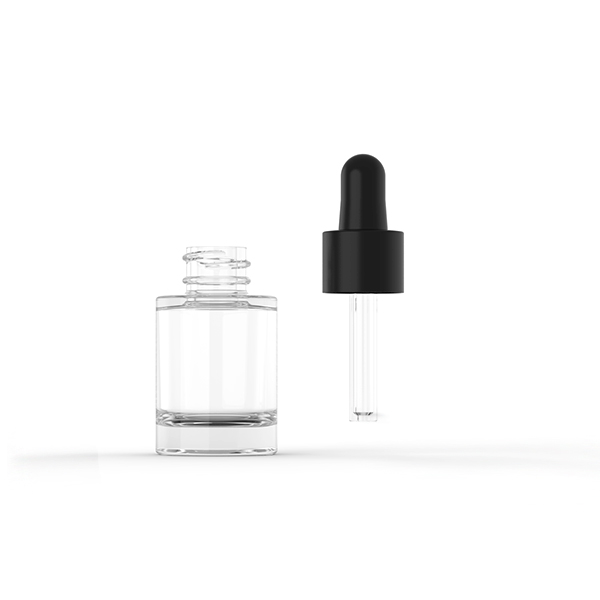
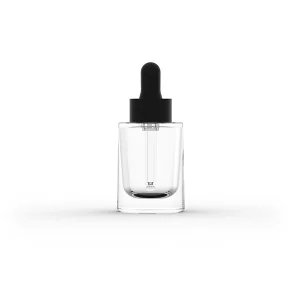
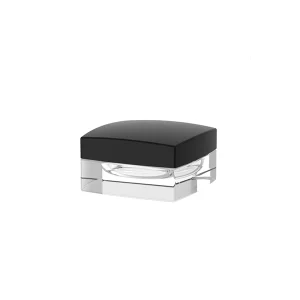
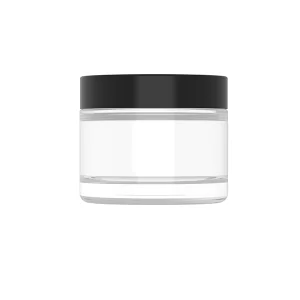
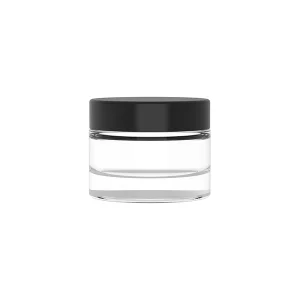
Crucially, global consumer behavior now dictates that luxury must align with sustainability. Skincare formulations require inert materials that do not leach chemical compounds. Glass stands out as the gold standard of safety and luxury. Brands seeking glass droppers or cosmetic jars are looking for high-clarity soda-lime or borosilicate glass that matches the aesthetic qualities of crystal while maintaining high shatter resistance.
2. Global Procurement Priorities: E-E-A-T in Sourcing
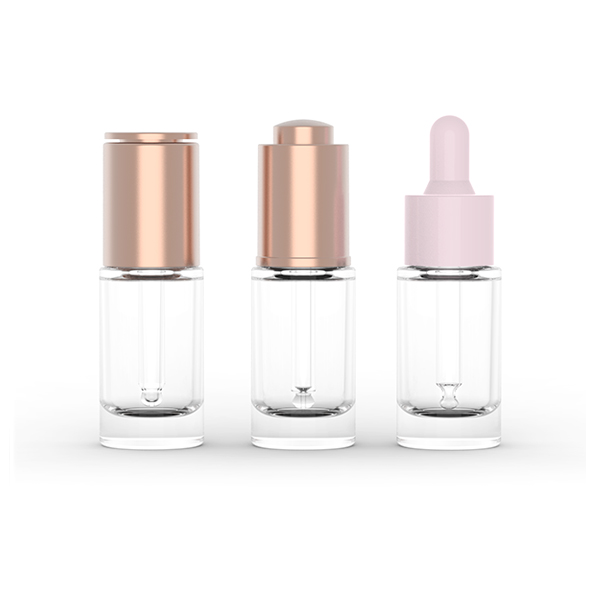
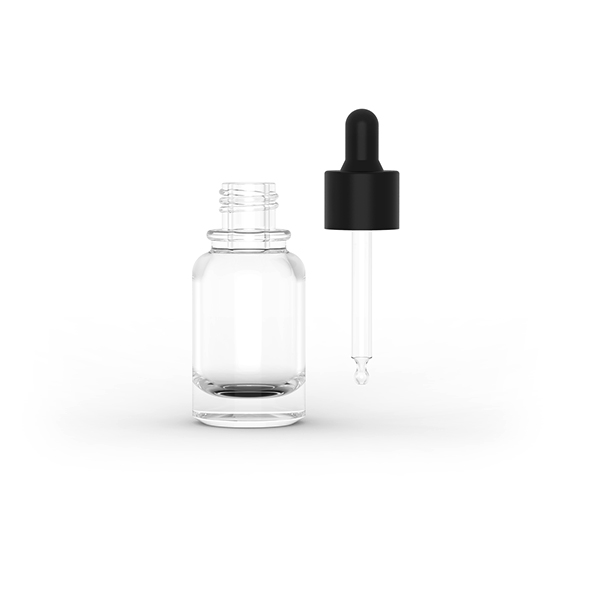
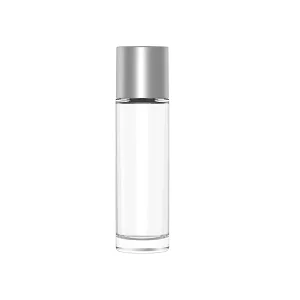
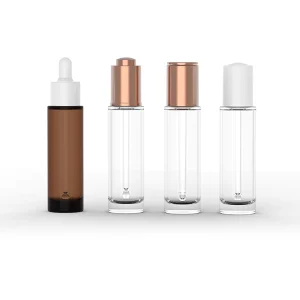
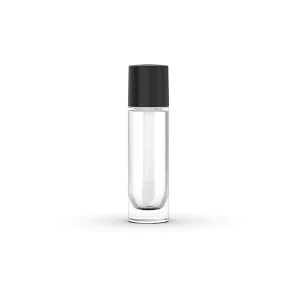
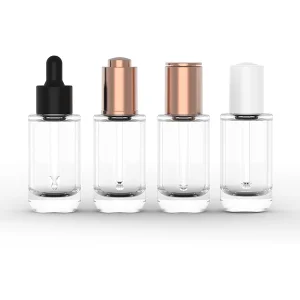
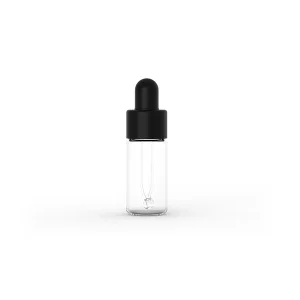
B2B procurement professionals at prestige beauty conglomerates prioritize stability, regulatory compliance, and carbon footprint reduction. When auditing a supplier, they demand transparent evidence of material quality, certified by international standards such as Certificates of Analysis (COA) and compliance with FDA or European Commission food-contact regulations. A reliable packaging manufacturer must ensure consistency across massive production batches—a minor fluctuation in the neck finish of a 30ml dropper bottle can lead to serum leakage, ruined formulations, and catastrophic brand reputational damage.
3. China Factory 4.0: Achieving Supply Chain Resilience
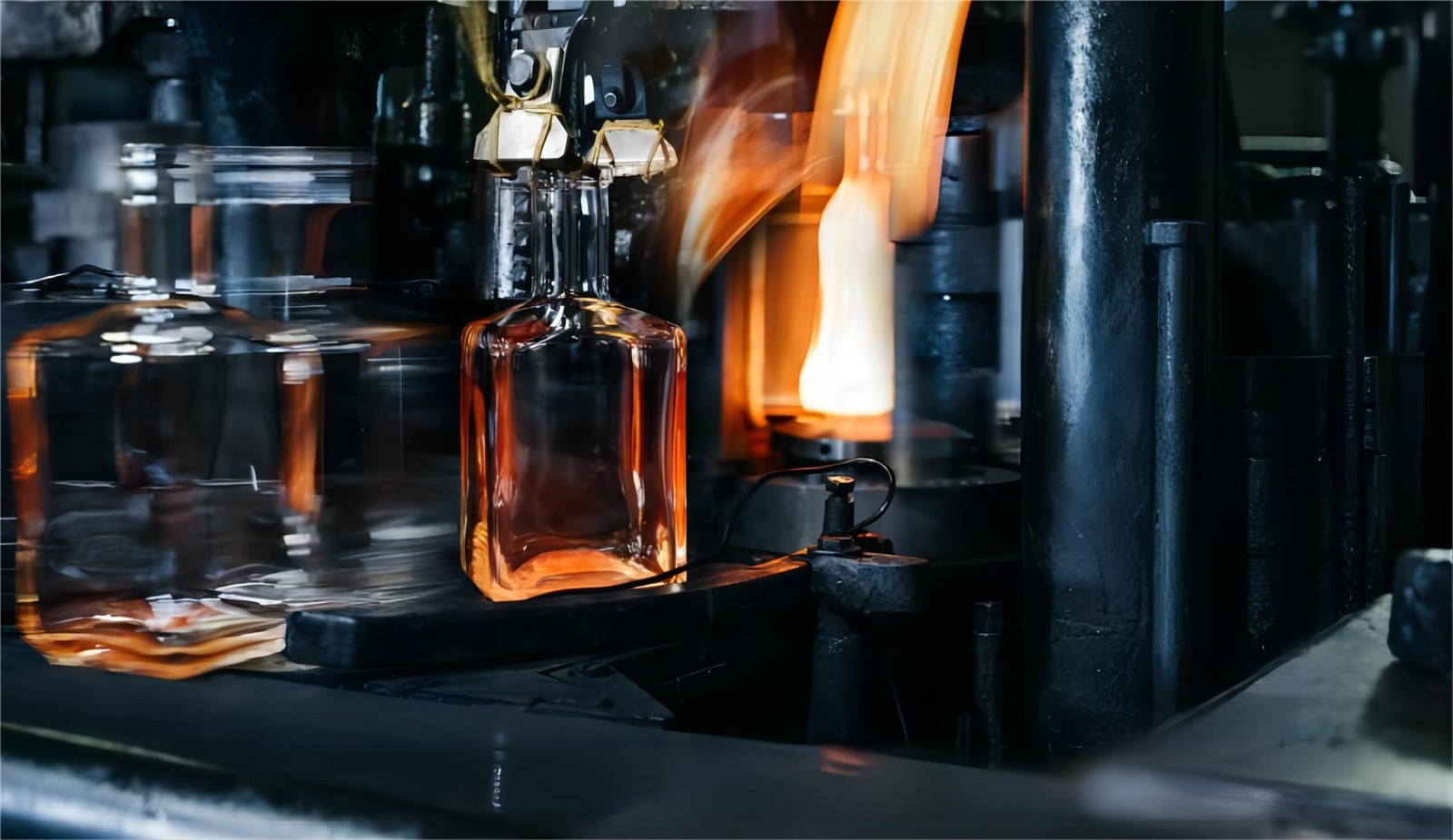
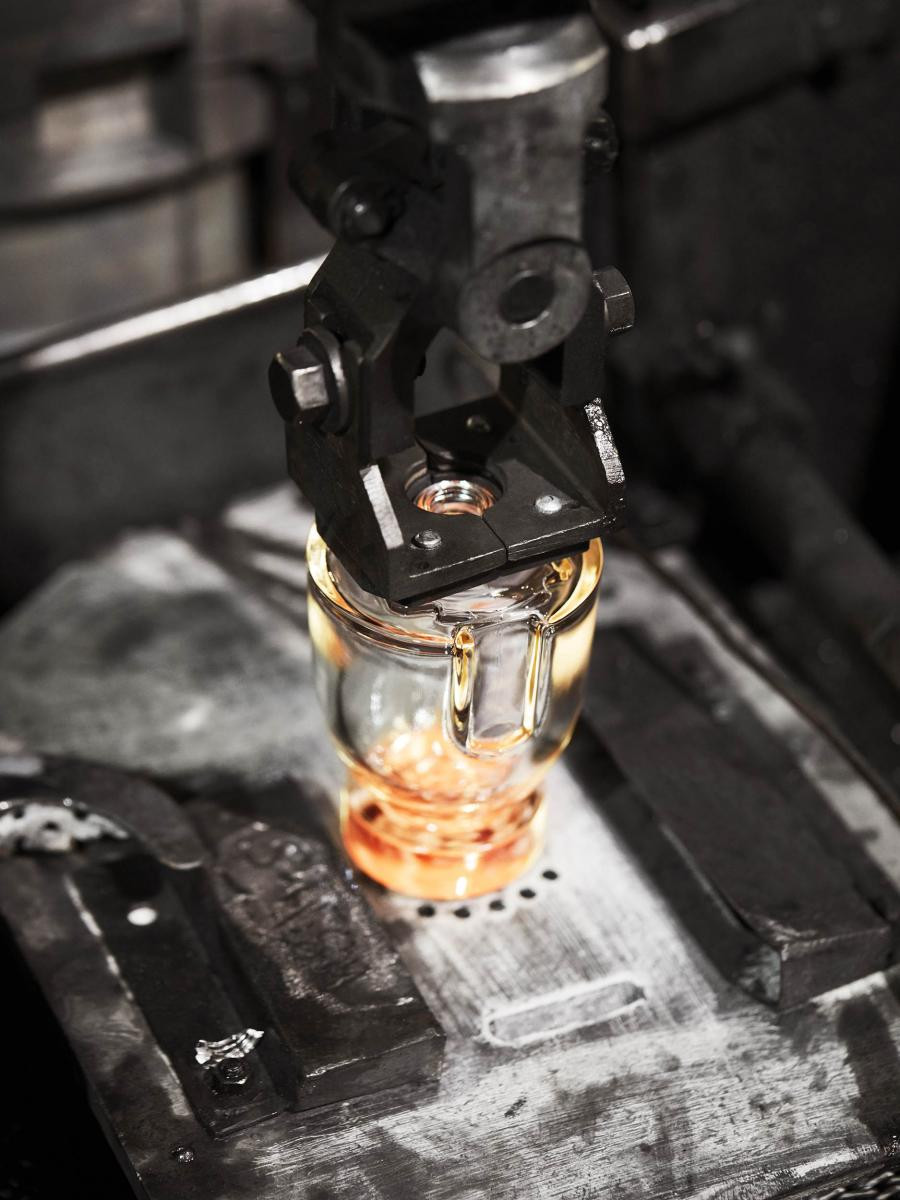
The secret behind China's dominance in luxury glass packaging lies in "Factory 4.0" automation. Factories are now integrated with smart IS machines, automatic optical inspection systems (AOI), and precise robotic hands for sorting and packing. This digital transformation guarantees:
- Minimal Tolerances: Precision control over glass wall distribution ensures uniform weight and optical clarity.
- Shorter Lead Times: Agile mold switching minimizes down-times, reducing mass-production lead times to 20–30 days.
- Integrated Decoration: Complex finishing steps (electroplating, internal lacquering, multi-color hot-stamping) are executed in one synchronized flow, preserving bottle structural integrity.
Surface Decoration Engineering
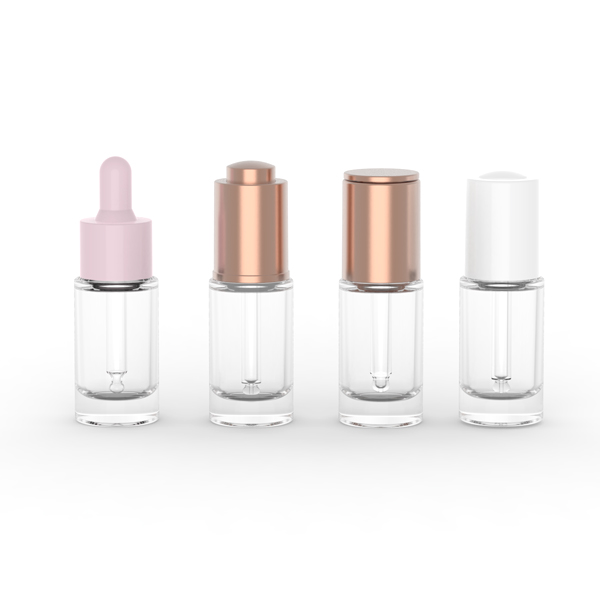
Our deep-processing technologies turn standard glass into custom works of art. By combining physical vapor deposition (PVD) metallization with acid-etch frosting, we produce tactile contrasts that elevate the luxury perception. Brands can choose from silkscreen printing, decal printing, spray coating, and custom aluminum anodization for caps.
4. Localized Application Scenarios
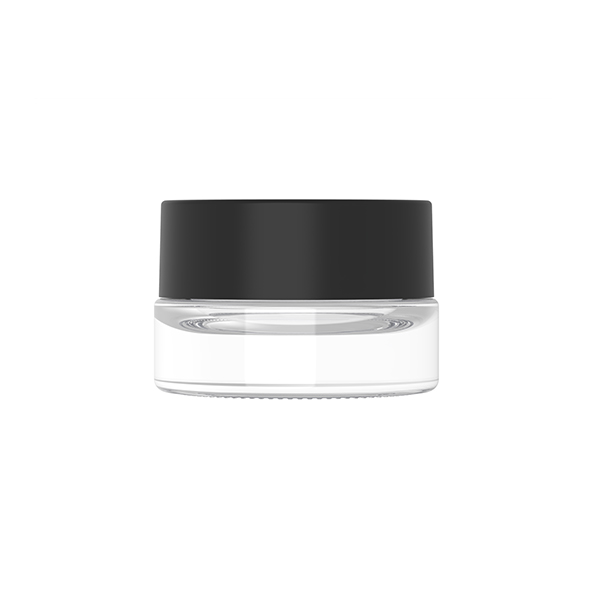
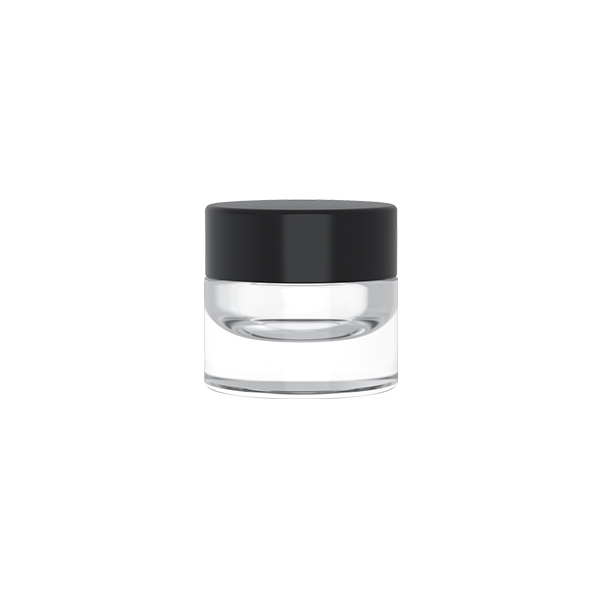
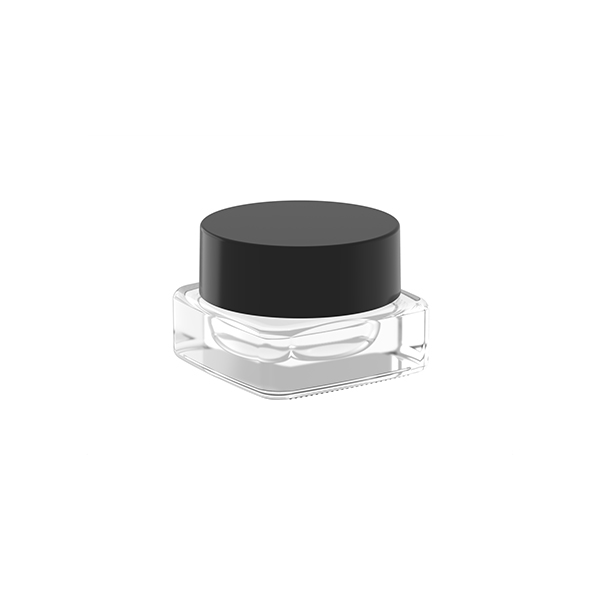
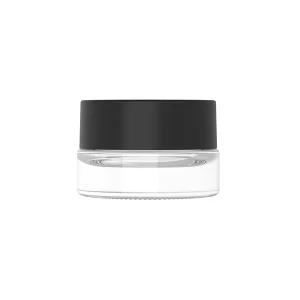
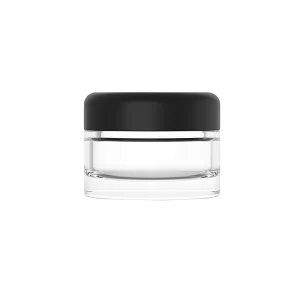
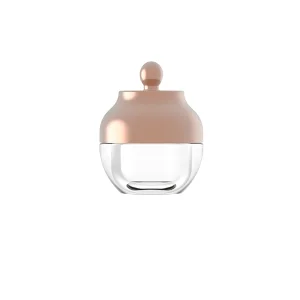
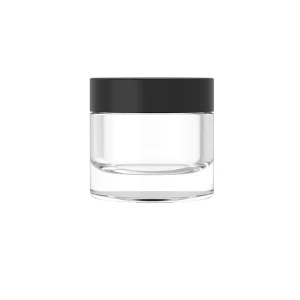
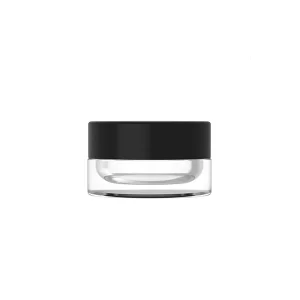
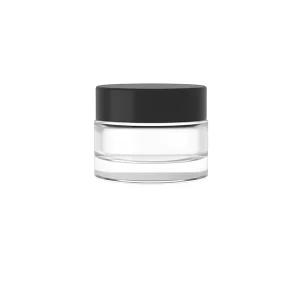
Different markets have specific design languages. For example, East Asian skincare brands often emphasize weight, transparency, and delicate organic contours, favoring thick-bottom glass jars that convey purity. European brands tend to focus on architectural shapes and high contrast, favoring dark amber or matte black bottles to protect light-sensitive active ingredients like retinol. By operating bespoke mold facilities, Chinese manufacturers allow brands to execute localized product line launches with precise regional appeal.