Lecos Lecos

China Glass Bottle With Lids Manufacturers & Product

The Ultimate Industrial Whitepaper on Sourcing Premium Glass Jars and Dropper Bottles: Technological Advantages, Cap Seal Integrity, and Strategic China Procurement Models.

Product Catalog

Primary Cosmetic & Skincare Glass Packaging Collection

Engineered premium-grade primary cosmetic jars, high-clarity bottles, and sophisticated closure mechanisms from our advanced factory.
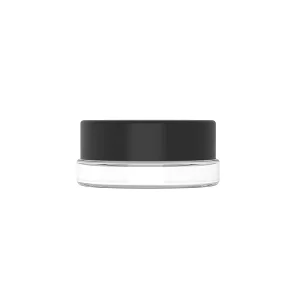
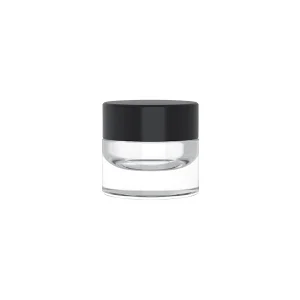
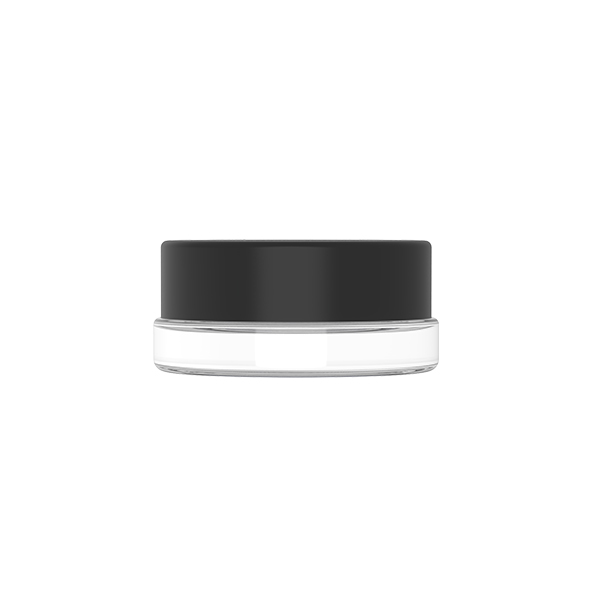
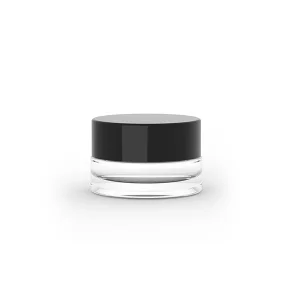
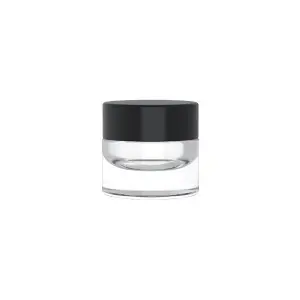
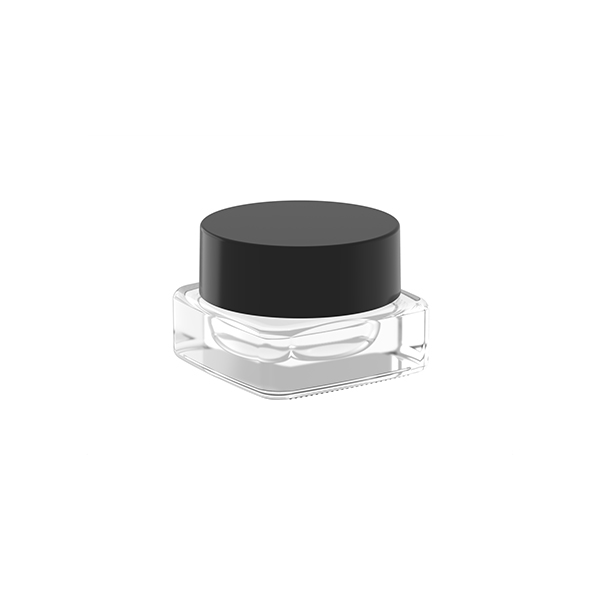
High-Quality 5g Low Profile Makeup Empty Glass Jar

High-Quality 5g Low Profile Makeup Empty Glass Jar

View Details
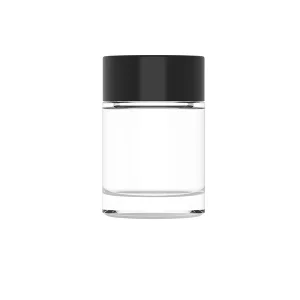
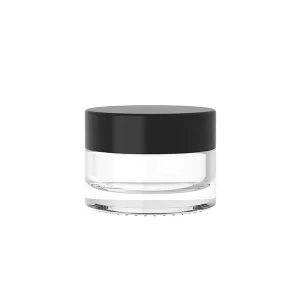
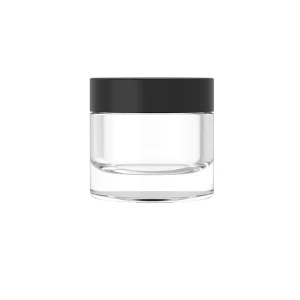
China 50g Round Empty Cosmetic Glass Jar with Black Lid

China 50g Round Empty Cosmetic Glass Jar with Black Lid

View Details
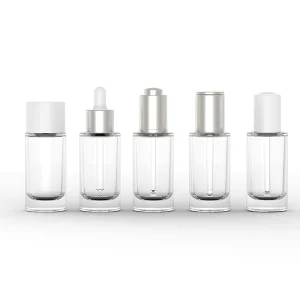
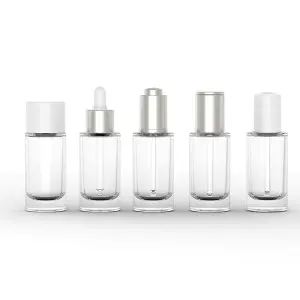
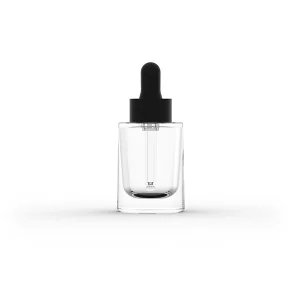
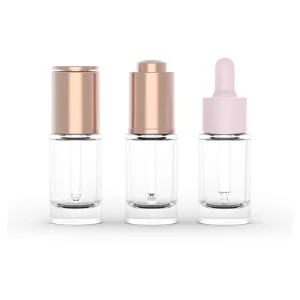
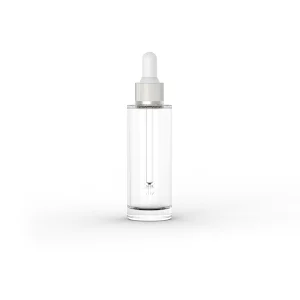
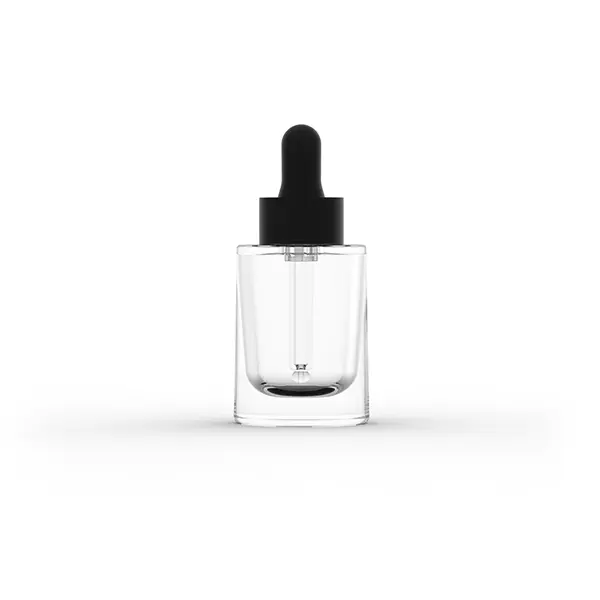
High-Quality 30ml Glass Dropper Bottle SK324

High-Quality 30ml Glass Dropper Bottle SK324

View Details
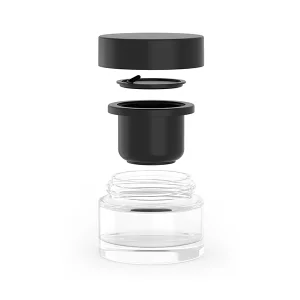
High-Quality 30g Glass Jar Innovation Packaging with Refillable Pot

High-Quality 30g Glass Jar Refillable Innovation Packaging

View Details
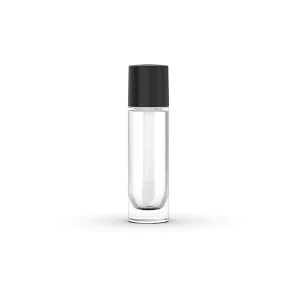
High-Quality 30mL Liquid Powder Blusher Container Foundation Glass Bottle

High-Quality 30mL Liquid Blusher & Foundation Container

View Details
High-Quality 5g Cosmetic Eye Cream Glass Jar

High-Quality 5g Cosmetic Eye Cream Glass Jar

View Details
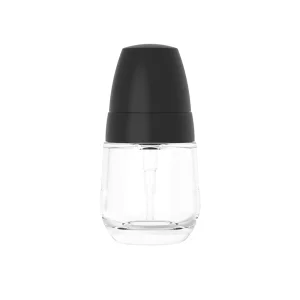
High-Quality 30mL Skincare Foundation Bottle Pump Lotion Glass Bottle

High-Quality 30mL Skincare Foundation Bottle with Pump

View Details
Custom 50g Cream Glass Jar Capsule Essence Glass Bottle

Custom 50g Cream Glass Jar & Capsule Essence Bottle

View Details
Executive Briefing

1. Global Procurement Dynamics of Glass Bottles & Jars with Lids

The global primary beauty packaging industry is undergoing a significant transition. B2B buyers, cosmetic formulation designers, and pharmaceutical procurement teams are prioritizing glass packaging over synthetic resins. This structural shift is propelled by the quest for material compatibility, absolute chemical inertness, and a lower environmental footprint. Glass, particularly when sourced from premium materials, provides an impermeable barrier that isolates high-potency formulations from volatile compounds, oxygen ingress, and moisture.

For brands sourcing from a China Glass Bottle with Lids Manufacturer, the evaluation framework extends beyond unit costs. Sourcing decision-makers must evaluate glass compositions (Soda-lime vs. Borosilicate type-I glass), thermal stability, post-forming surface coatings, and mechanical tolerances of closure threads. This whitepaper analyzes these variables to help supply chain directors optimize lead times, reduce defect ratios, and maximize preservation properties.

Automated Quality Testing of Glass Dropper Bottles and Lids

Material Inertness & Compatibility

Prevent interaction with active cosmetic compounds. Heavy metal leaching testing according to California Proposition 65 and European Union Regulation (EC) No 1935/2004 dictates sourcing standards.

Hermetic Seal Engineering

Tolerances of GPI standard threads (e.g., 18/410, 20/400) and liner materials (PE, EPE, PTFE, silicone) directly influence oxygen transmission rates and shelf stability.

Modern Carbon Reduction

Conversion of glass furnaces from heavy oil to natural gas and electric melting, alongside Post-Consumer Recycled (PCR) glass integration, targets B2B ESG objectives.

Strategic Manufacturing

2. Structural Advantages of China-Based Glass Manufacturing

How regional vertical integration, technical clustering, and furnace automation sustain Lecospack's B2B distribution network.
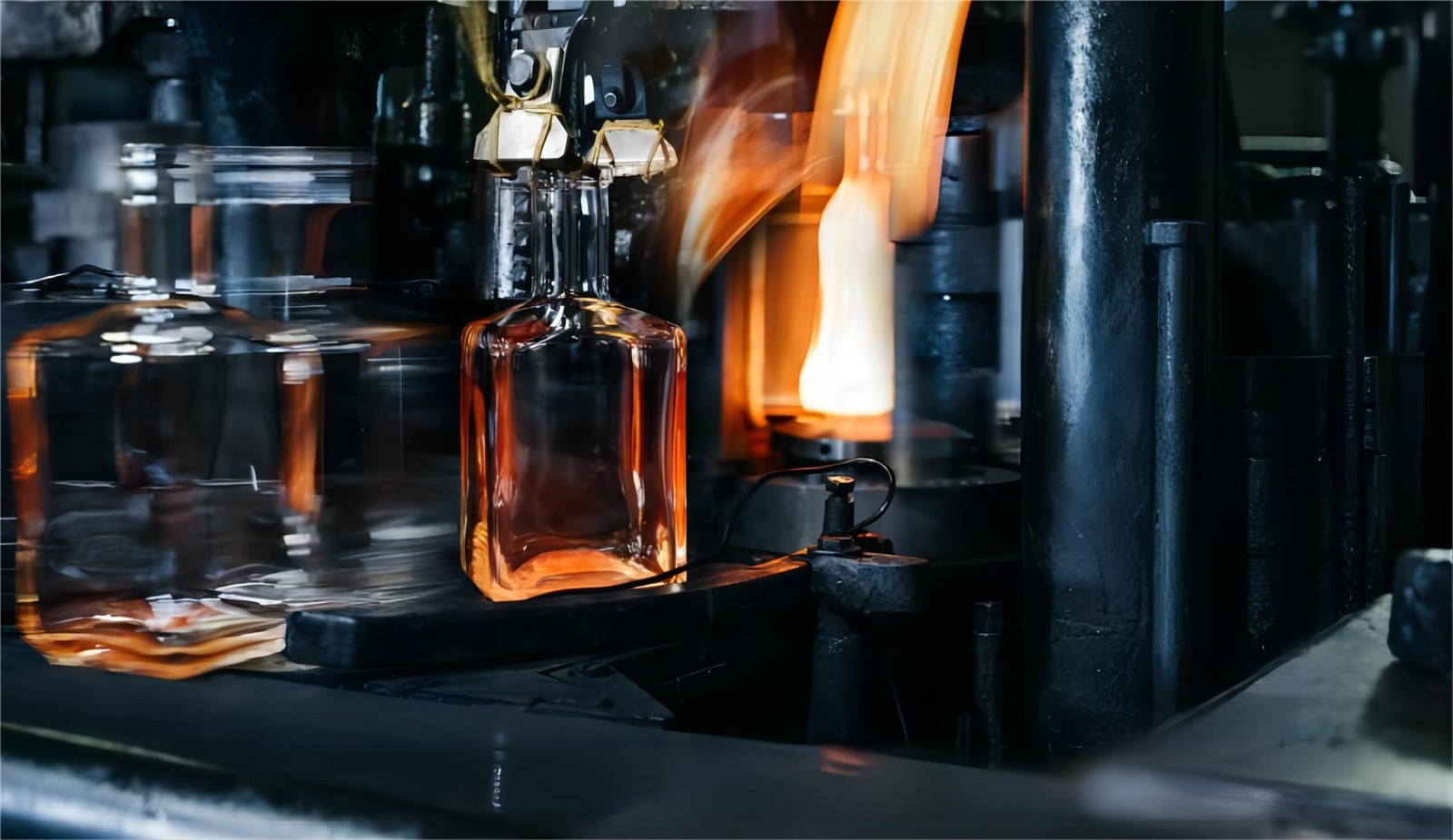
Industrial Glass Bottle Annealing Lehrs and Automation Line

China's dominance in cosmetic glass production is underpinned by concentrated industrial ecosystems. In regions like Shandong, Jiangsu, and Guangdong, raw material processors, glass batch houses, cap molding factories, and secondary decoration facilities operate in close proximity. This geographic concentration minimizes internal transport costs, shortens lead times, and reduces production risks.

Lecos Glass leverages over 10 years of experience in B2B glass manufacturing. Our facilities combine automated individual section (IS) forming machines with post-forming treatment systems. This allows us to supply high-strength container designs for cosmetics, perfumes, personal care, essential oils, and candles, maintaining close control over visual and physical properties.
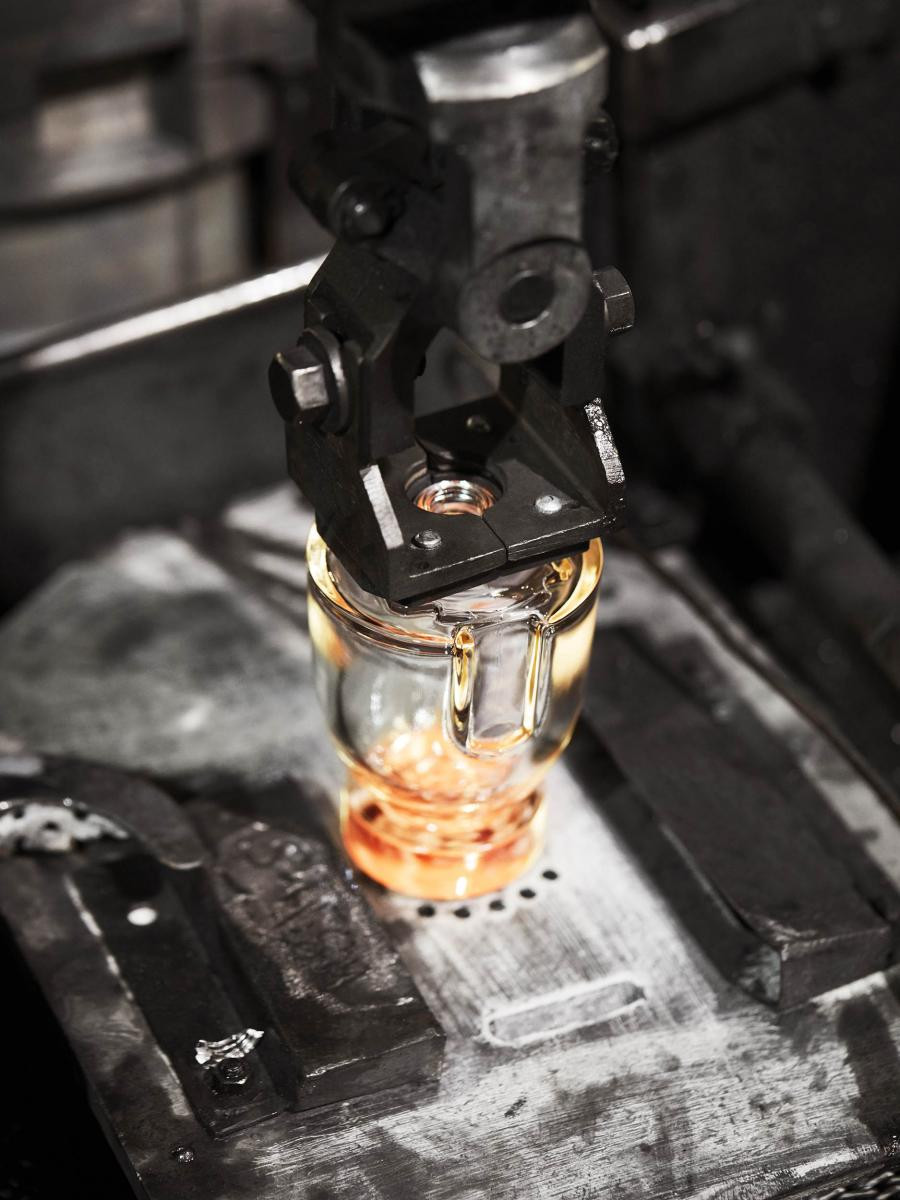
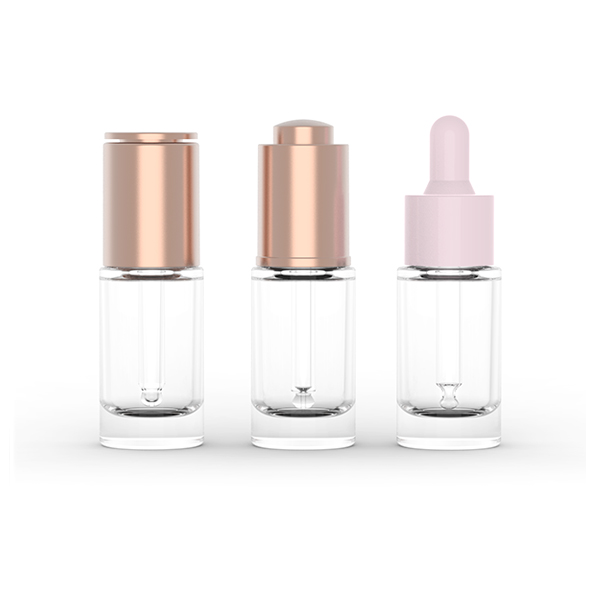
  • Automated Batch Feeding: Microprocessor-controlled raw material weighing guarantees consistent chemical properties.
  • Precision Annealing Lehrs: Controlled temperature curves eliminate internal thermal stresses, preventing micro-fractures.
  • In-Line Quality Inspection: Dual-axis optoelectronic cameras detect wall thickness variations, cosmetic defects, and bubbles.
Statistical Benchmarks

Lecospack Manufacturing Key Performance Indicators

Quantitative quality metrics and capabilities driving global B2B operations.

10+
Years Dedicated Experience
0.05%
Dimensional AQL Level
100%
Recyclable Raw Materials
42+
Global Luxury Brands Served
Material Science

3. Materials and Chemistry Analysis

Evaluating Soda-Lime Type III and Borosilicate Type I glass formulations for product compatibility and safety.

Material Metric Soda-Lime Glass (Type III) Borosilicate Glass (Type I) Technical Relevance for Buyers
Silicon Dioxide (SiO₂) Content 70% - 74% 80% - 81% Higher SiO₂ increases mechanical strength and heat resistance.
Boron Trioxide (B₂O₃) Content < 0.5% 12% - 13% Provides low coefficient of thermal expansion, crucial for thermal shock resistance.
Coefficient of Thermal Expansion 9.0 × 10⁻⁶ K⁻¹ 3.3 × 10⁻⁶ K⁻¹ Lower values mean the glass is less prone to cracking during hot-filling or sterilization.
Hydrolytic Resistance (USP Class) Class III (Moderate) Class I (High) Class I prevents chemical leaching, preserving active cosmetic ingredients.
Average Heavy Metal Leaching (Pb, Cd) < 100 ppm (Compliant) < 10 ppm (Negligible) Crucial for meeting FDA and EU regulatory standards for product purity.

The Chemistry of Preservation

For formulations containing active ingredients, raw material purity is essential. Lecos Glass utilizes lead-free raw materials to prevent heavy metals from leaching into the formulation over time.

Amber glass compositions incorporate iron oxide and sulfur to filter out light wavelengths below 450nm. This provides protection for UV-sensitive ingredients like retinol and Vitamin C, preventing product degradation.
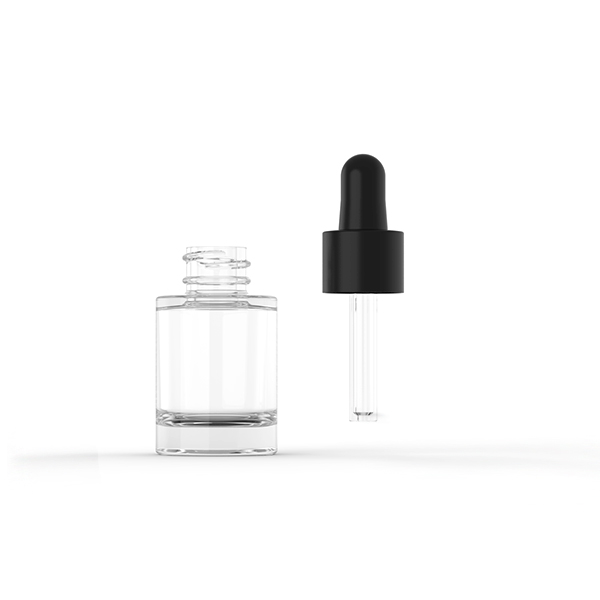
Spectral testing of clear versus amber glass jars
Closure Engineering

4. Engineering Leak-Proof Cap and Lidding Systems

How liner materials, thread profiles, and torque specifications prevent leakage and oxidation.
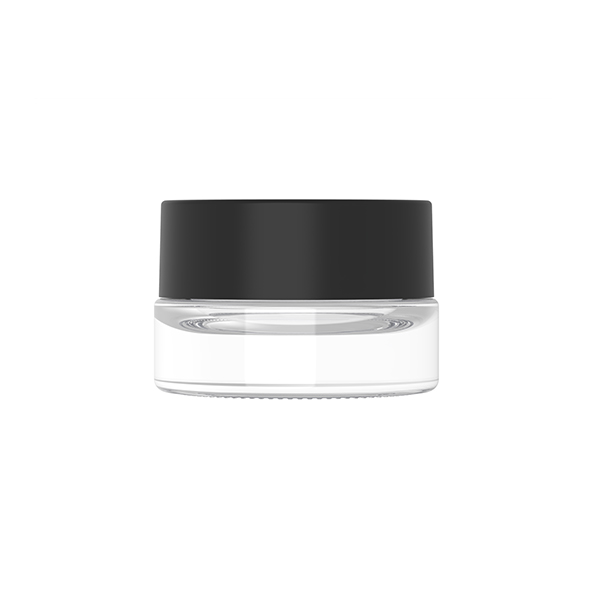
Detail photo of cap liner materials and dropper assembly

A primary container is only as secure as its closure. Droppers, pump dispensers, and screw lids must work in tandem with the glass neck to maintain a secure seal. The industry standard utilizes Glass Packaging Institute (GPI) thread classifications to match bottles with closures.

For organic products, essential oils, and serum emulsions, the choice of liner material is critical. An incorrect liner can lead to cap swelling, degradation, or evaporation of volatile ingredients.
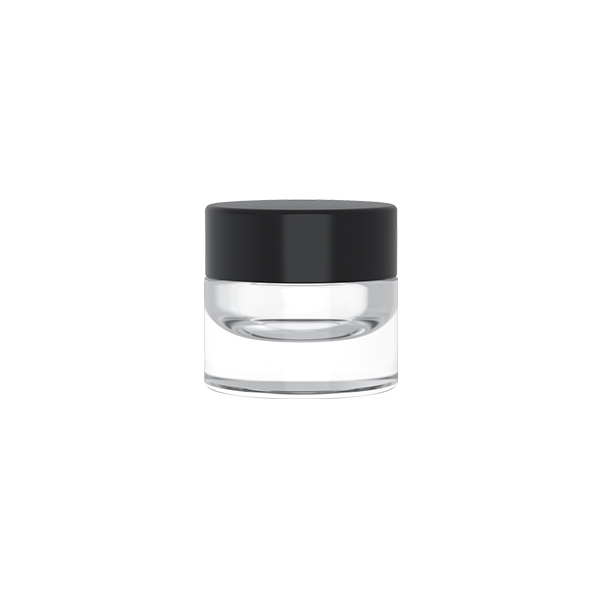
Common Cap and Liner Materials:

  • EPE (Expanded Polyethylene) Liners: A compressible backing sheet that conforms to minor imperfections in the glass neck, suitable for creams and lotions.
  • PTFE (Teflon) Faced Liners: Resistant to solvents and aggressive chemical formulations, providing high chemical inertness.
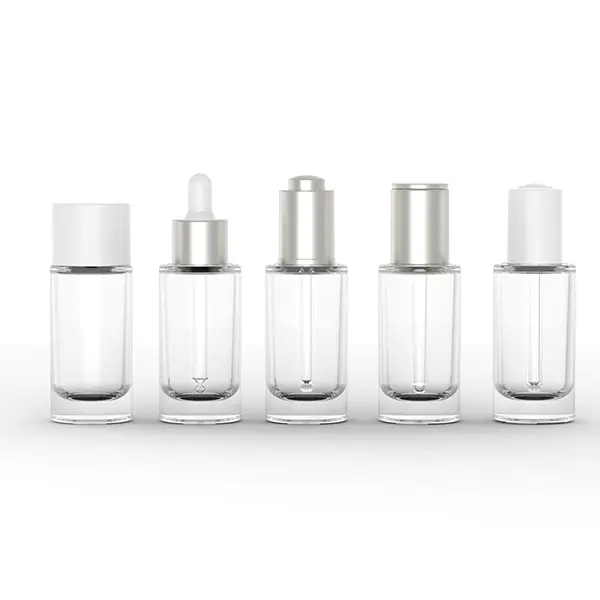
  • Silicone & NBR Dropper Bulbs: Formulated to maintain elasticity and resist degradation when exposed to essential oils and acid-based serums.
  • PCR PP & Urea Lids: Offer structural rigidity, durability, and a clean finish. High-torque structures minimize product loss during shipping.
Quality Control

5. Quality Assurance Protocols for Global Brands

Critical testing procedures to ensure primary packaging performance under varying transport and environmental conditions.

Shipping glass containers internationally subjects the packaging to atmospheric pressure changes, vibrations, and impact forces. At Lecos Glass, our quality control protocols verify product durability before shipment leaves our facility.
  • Vacuum Leakage Testing: Assembled bottles are placed in a vacuum chamber at -0.08 MPa for 30 minutes to check for leaks.
  • Thermal Shock Resistance Testing: Bottles are transferred between 40°C and 95°C water baths to verify structural integrity under sudden temperature shifts.
  • Vertical Load Compression Testing: Verifies load-bearing capacity to prevent crushing during pallet stacking in transit.
  • Dropper Pipette Measurement: Laser micrometer analysis ensures consistent volume per squeeze (e.g., 0.5ml or 1.0ml).
Vacuum chamber leak testing for glass bottles with caps
Factory Capabilities

Lecos Glass Core Strengths & Operational Values

Providing reliable production standards, consistent quality control, and direct-to-brand support.

High Quality Icon

High Quality

Adherence to strict standards, from raw materials to final verification, to minimize defect rates.

Competitive Prices Icon

Competitive Prices

Optimized manufacturing and automated lines help control unit costs for high-volume orders.

Excellent Service Icon

Excellent Service

Comprehensive technical support, design support, and supply chain tracking from start to finish.

Company Values

Our business practices are built on a commitment to ethical standards and environmental responsibility. We focus on reducing waste, optimizing energy use, and supporting the communities in which we operate. By fostering creative design and maintaining strict manufacturing controls, we provide reliable, compliant, and sustainable primary packaging solutions for brands worldwide.

Partners & Collaborations

Projects & Verified Brand Engagements

Trusted by and manufacturing packaging for recognized brands worldwide.

Primary Source Gallery

6. Bottom Product Display Group

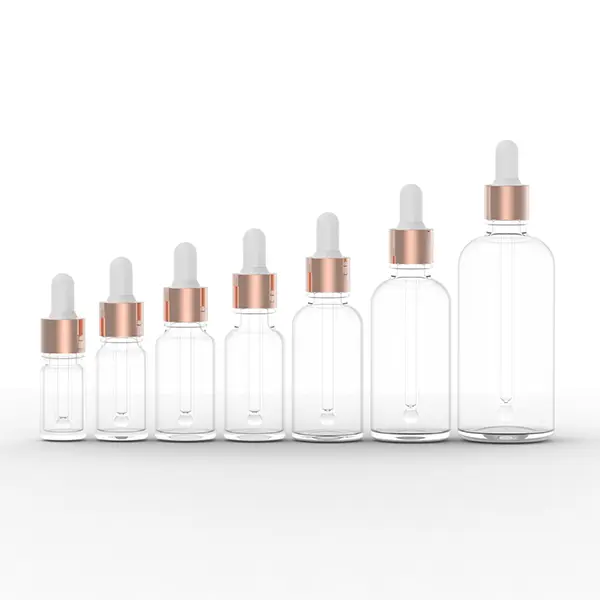
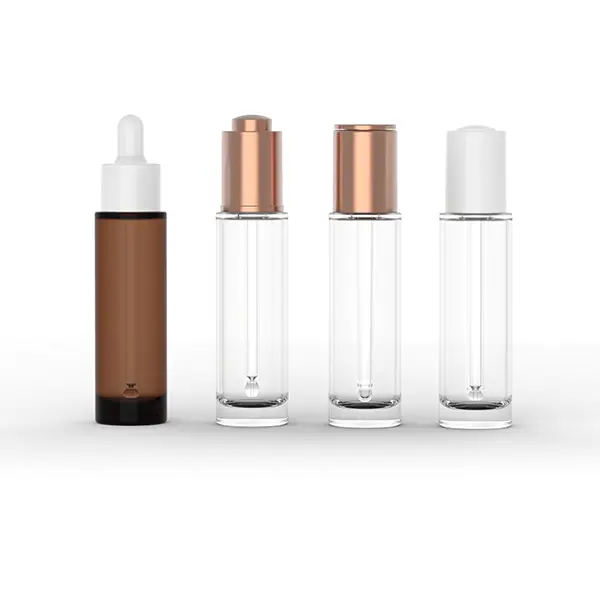
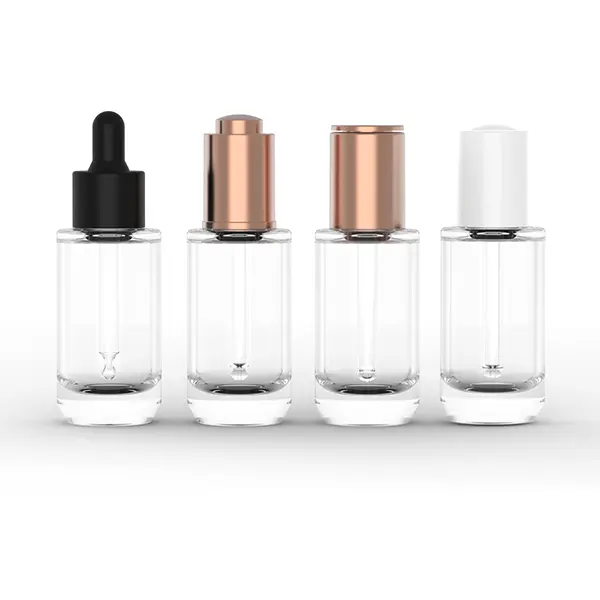
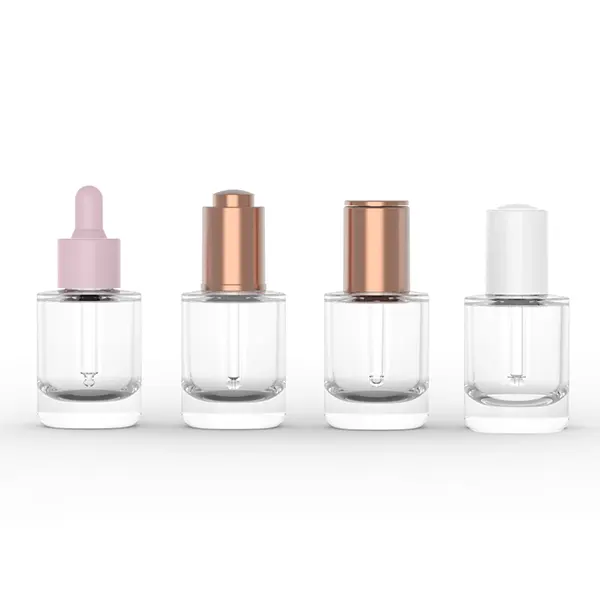
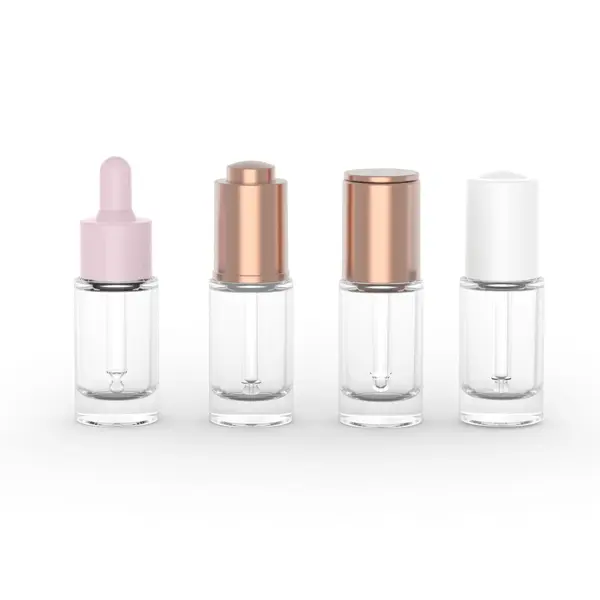
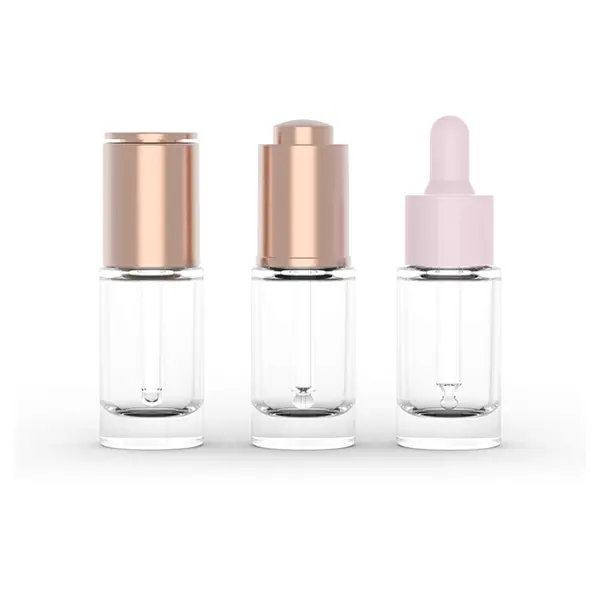
Refined and custom-molded glass dropper bottles and treatment pumps for active cosmetics and essential oils.
China Skincare Glass Serum Oil Bottle 150ml

China Skincare Glass Serum Oil Bottle 150ml

View Details
High-Quality 0.5 oz/ 1 oz Glass Bottle with Customized Teat Dropper

High-Quality Glass Bottle with Customized Teat Dropper

View Details
Custom 30ml Oval Glass Dropper Bottle SK323

Custom 30ml Oval Glass Dropper Bottle SK323

View Details
Custom 10g Regular Custom Cream Glass Bottle with PCR Cap

Custom 10g Cream Glass Bottle with PCR Cap

View Details
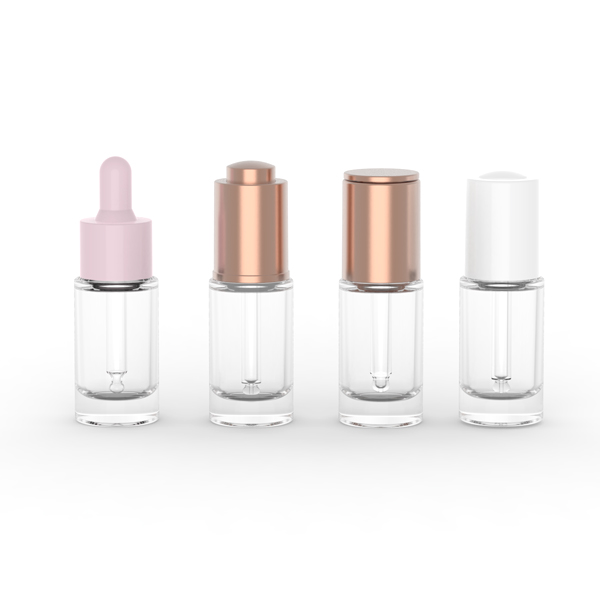
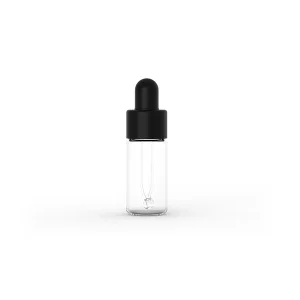
High-Quality 5ml Glass Dropper Bottle SH05A

High-Quality 5ml Glass Dropper Bottle SH05A

View Details
China 3ml Free Sample Glass Dropper Bottle

China 3ml Free Sample Glass Dropper Bottle

View Details
Custom Round 15g Skincare Cream Frosted Glass Jar

Custom Round 15g Skincare Cream Frosted Glass Jar

View Details
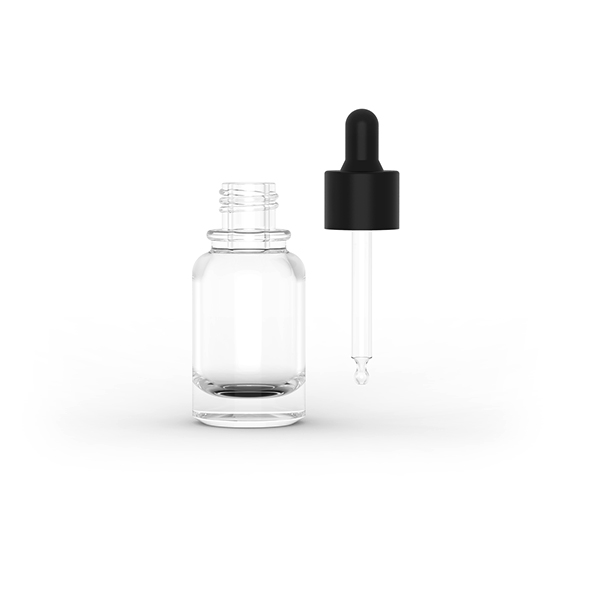
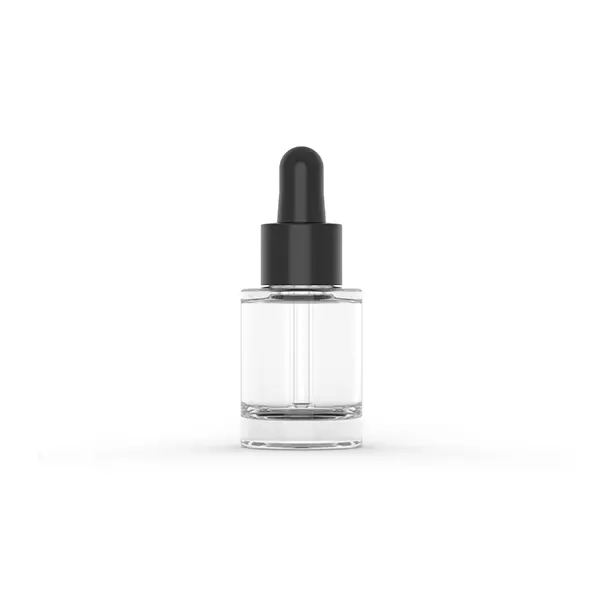
Custom 18/415 30ml Glass Dropper Bottle

Custom 18/415 30ml Glass Dropper Bottle

View Details
FAQ

Frequently Asked Questions (B2B Procurement Focus)

Technical answers, manufacturing options, lead times, and compliance metrics for global buyers.
What are your prices? +
Our prices are subject to change depending on supply, raw material costs (such as soda ash and energy rates), and other market factors. We will send you an updated price list after your company contacts us with specific product requirements, volume metrics, and customization needs.
Do you have a minimum order quantity (MOQ)? +
Yes, we require all international orders to maintain an ongoing minimum order quantity. For standard inventory items, the MOQ generally starts at 10,000 units. For fully customized shapes, colors, or custom molds, MOQs range from 30,000 to 50,000 units depending on production machine setup requirements. If you are looking to resell in smaller quantities, please contact our team to discuss available options.
Can you supply the relevant documentation? +
Yes, we provide comprehensive technical documentation, including Certificates of Analysis (COA), Certificates of Conformance (COC), heavy metal test reports (compliant with US FDA, California Proposition 65, and European Regulation EC No 1935/2004), insurance documentation, certificates of origin, and additional export documents required for customs clearance.
What is the average lead time? +
For prototyping and samples, the lead time is approximately 7 to 10 days. For bulk mass production, the standard lead time is 20 to 30 days after the deposit payment is received and design layouts are approved. Lead times become effective when we receive your deposit and final product sign-offs. We work to coordinate schedules to meet project deadlines.
What kinds of payment methods do you accept? +
We support wire transfers (T/T), L/C, Western Union, and PayPal. Our standard payment term is a 30% deposit in advance, with the remaining 70% balance due against the copy of the Bill of Lading (B/L). Alternate payment arrangements can be reviewed with our sales team based on transaction history.
What is the product warranty? +
We warrant our materials, dimensional accuracy, and surface treatments. Our quality commitment targets customer satisfaction. We handle and resolve customer issues through post-delivery support, working to address physical defects, dimensional deviation, or liner compatibility issues.
Do you guarantee safe and secure delivery of products? +
Yes, we package our products for international shipping using heavy-duty corrugated cartons, clean PE bags to prevent dust ingress, and fumigated wooden pallets with secure shrink-wrap. For hazardous goods packaging or temperature-sensitive items, we utilize specialized packing configurations.
How about the shipping fees? +
Shipping fees depend on the chosen transit mode (FCL, LCL, Air Freight, or Express Courier). Ocean freight is generally the most cost-effective solution for large-volume orders. Detailed shipping quotes can be provided once shipment volume, weight, destination port, and delivery terms (FOB, CIF, or DDP) are confirmed.