Lecos Lecos

What Are the Top Glass Toner Bottles for Wholesale?

Time:2026-10-28 Author:Henry
0%

Wholesale buyers are rethinking how toner packaging performs on shelves, during shipping, and in daily skincare routines. Grand View Research valued the global skincare products market at approximately USD 155.7 billion in 2023. It also projects continued growth through 2030. That expansion increases demand for dependable Glass Toner Bottles with clean shapes, accurate dispensing, and consistent factory quality.

Sustainability now affects purchasing decisions. NIQ reported in its 2023 consumer sustainability research that many shoppers consider sustainable living important. Glass supports that conversation because it protects formulas without adding plastic-like visual cues. Scott DeFife, former president and CEO of the Glass Packaging Institute, stated, “Glass is infinitely recyclable and can be recycled endlessly without loss in purity or quality.” His point remains practical for wholesale packaging decisions. Recyclability matters, but transport weight and breakage still deserve attention.

The strongest bottle is not always the heaviest one. That assumption can mislead. A thick, beautifully frosted bottle may look premium, yet increase freight costs and handling risks. Wholesale evaluation should examine glass type, neck finish, pump compatibility, closure fit, fill volume, decoration durability, and carton protection. A 150 ml bottle may feel balanced in the hand, while a poorly matched pump can leave toner around the cap. Small details become expensive at scale.

This guide compares leading Glass Toner Bottles for wholesale purchasing. It considers supplier experience, production consistency, customization options, minimum order quantities, and quality-control evidence. The recommendations are useful, but not universal. Formula viscosity, target market, shipping distance, and retail positioning can change the final choice.Winvalid
What Are the Top Glass Toner Bottles for Wholesale?

What Are Glass Toner Bottles and Why Are They Used Wholesale?

Glass toner bottles are containers designed for liquid facial toners, usually made from thick, molded glass. They protect formulas from crushing, odor transfer, and some light exposure. Clear glass shows the product level, while amber or frosted glass can offer better light control. Wholesale buyers often choose glass because it feels stable, premium, and reusable. It also supports consistent filling across large production runs. However, glass is heavier than plastic and can break during transport. That trade-off matters.

In wholesale purchasing, the bottle is only one part of the package. Buyers should check neck size, cap compatibility, filling speed, and the toner’s viscosity. A narrow opening may reduce spills but slow manual filling. A wider opening feels convenient, yet it may need a stronger inner seal.

Real production samples should be tested for leakage, dropping, temperature changes, and label adhesion. Laboratory compatibility checks are also wise, especially when formulas contain alcohol, oils, or active ingredients. Glass usually performs well, but “usually” is not a guarantee.

Tips: Request samples before placing a bulk order. Measure the bottle’s actual capacity, not only its advertised size. Test the closure after repeated opening and closing. Inspect the bottom and shoulder for tiny cracks. Plan protective cartons for shipping, because one damaged bottle can affect an entire case. Some buyers overlook the weight until freight costs rise. I would not ignore that detail.

Which Glass Types Are Best for Toner Bottles?

For wholesale toner bottles, glass selection should match the formula, filling process, and shipping conditions. Type III soda-lime glass suits most water-based toners. It offers good clarity, reasonable cost, and efficient large-volume production. Type I borosilicate glass provides stronger chemical resistance and handles wider temperature changes. It is useful for toners containing sensitive acids, botanical extracts, or higher levels of active ingredients. However, it usually costs more and may increase shipping weight.

Light can damage certain ingredients. Amber glass reduces exposure to ultraviolet and visible light, while cobalt or green glass offers similar protection with a different appearance. Clear glass makes the liquid color easy to inspect. That helps quality teams notice sediment, separation, or unexpected changes. Frosted surfaces look refined but can hide small defects and complicate recycling or decoration. Glass is not automatically the best choice. Heavy bottles can break during pallet handling, especially with thin walls or oversized shoulders.

For wholesale orders, request compatibility testing with the actual toner, pump, dip tube, and gasket. Check for odor transfer, leakage, discoloration, and changes after heat and cold cycles. A practical test may include filled bottles stored upright, inverted, and packed for transport. Do not rely only on a sample that looks attractive. Some neck finishes fit poorly, and a beautiful bottle can still leak. In my view, the safest selection balances Type III glass for standard formulas and Type I glass for demanding formulas, then confirms the choice through documented testing.

What Are the Top Glass Toner Bottles for Wholesale? - Which Glass Types Are Best for Toner Bottles?

Glass Type Typical Appearance Light Protection Chemical Compatibility Breakage Resistance Best Toner Applications Wholesale Advantages Key Considerations
Clear Soda-Lime Glass Transparent, neutral appearance with high product visibility Low Suitable for most water-based toners and common cosmetic formulations ★★★☆☆ Daily hydrating toners, essence toners, and transparent formulas Cost-effective, widely available, easy to decorate, and recyclable Provides little protection from ultraviolet and visible light; opaque packaging or secondary cartons may be needed for light-sensitive formulas
Amber Soda-Lime Glass Brown or amber-colored glass with a classic apothecary appearance High Suitable for many botanical, exfoliating, and active-ingredient toner formulas ★★★☆☆ Light-sensitive toners containing botanical extracts or oxidation-prone ingredients Improves light protection while maintaining a comparatively economical glass format Product color is difficult to see; the amber shade may not suit every visual identity or retail concept
Cobalt Blue Soda-Lime Glass Deep blue finish with a distinctive premium appearance Moderate to High Generally compatible with water-based and alcohol-free toner formulations ★★★☆☆ Premium facial toners, botanical products, and formulas requiring partial light protection Strong shelf presence and good visual differentiation without using printed decoration Usually costs more than clear glass; the deep color limits visibility of the formula
Green Soda-Lime Glass Light to dark green tint with a natural or wellness-oriented appearance Moderate Suitable for many standard cosmetic toner formulations after compatibility testing ★★★☆☆ Natural-positioned toners, floral waters, and botanical skincare collections Offers a recognizable aesthetic and can support a natural product presentation Light protection varies by shade; darker green glass provides more protection than pale green glass
Opal Glass White, frosted, or opaque appearance with a smooth premium finish Moderate to High Suitable for many cosmetic formulas, subject to testing with colorants, acids, and preservatives ★★★☆☆ Minimalist, luxury, brightening, and cream-colored toner presentations Creates a high-end appearance and conceals formula discoloration or sediment Higher material and decoration costs are common; product level is not easily visible
Borosilicate Glass Very clear glass with a refined, technical appearance Low Excellent chemical resistance and low extractable risk for demanding formulations ★★★★☆ Premium active toners and formulations where chemical resistance is a priority Offers strong performance and a premium material story for specialized product lines Typically more expensive than soda-lime glass; clear borosilicate still requires light protection when needed
Frosted Glass Matte surface created by acid etching, coating, or external treatment Low to Moderate Depends on the underlying glass and the type of frosting treatment used ★★★☆☆ Premium toner packaging focused on tactile appeal and a soft visual effect Improves grip, reduces the appearance of fingerprints, and supports premium positioning Frosting can be scratched or affected by harsh handling; confirm coating durability before bulk purchase

Wholesale selection should be based on formula compatibility, light sensitivity, closure performance, decoration requirements, transportation conditions, and required order volume. Packaging tests should be completed with the final toner formula before mass production.

What Sizes, Shapes, and Closures Suit Wholesale Toner Packaging?

Wholesale toner packaging must balance shelf appeal, filling efficiency, and shipping weight. 100 mL 150 mL 200 mL
The 100 mL size suits travel-focused ranges and international retail requirements. A 150 mL bottle offers stronger value perception for daily use. The 200 mL format works better for professional or family-sized products. According to Grand View Research, the global glass packaging market reached about USD 82.5 billion in 2023. This growth supports continued demand for durable, premium-feeling containers.

Shape affects both handling and freight. Round bottles are easier to clean and usually perform well on automated filling lines. Square or rectangular bottles create a wider label area and stack efficiently in cartons. However, sharp shoulders can increase breakage risks. I would test oval designs carefully. They look distinctive, but they may move during pallet transport.

Closures need practical compatibility testing. A standard screw cap is economical and reliable for watery toner. A disc-top closure improves controlled pouring and reduces accidental spills. Fine-mist sprayers suit lightweight formulas, but their dip tubes require precise length checks. Common neck finishes include 18/410 and 20/410, which simplify sourcing replacement components. FEVE reports that Europe’s glass container recycling rate is roughly 80%, strengthening glass’s circularity credentials. Still, heavier glass can raise freight emissions. That trade-off is easy to overlook. Pilot filling, leakage testing, and carton-drop trials should happen before wholesale production.

How Do Leading Toner Bottle Options Compare in Quality and Cost?

What Are the Top Glass Toner Bottles for Wholesale?

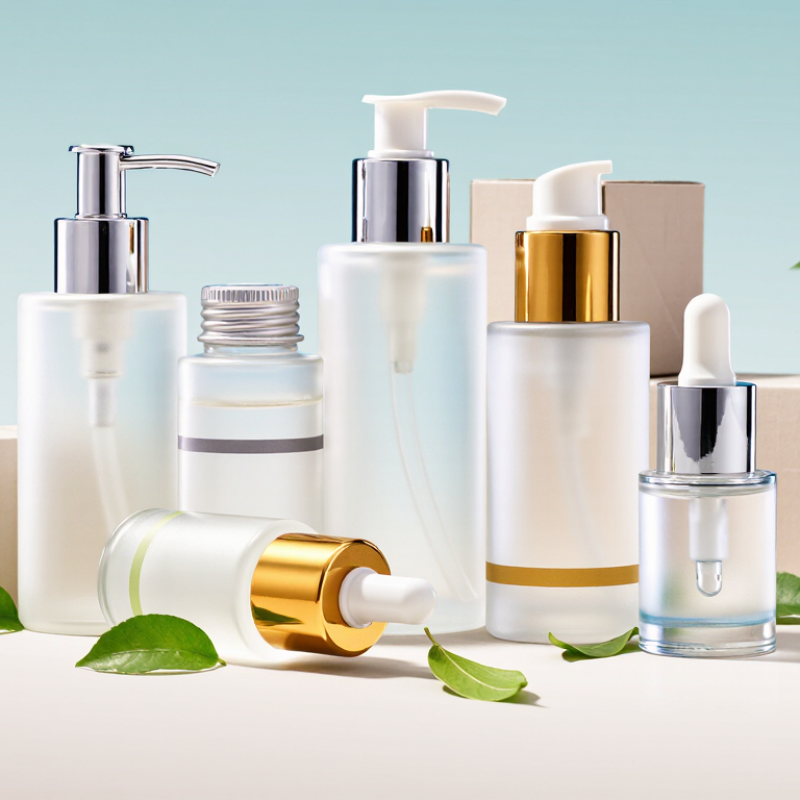
Wholesale toner bottles usually fall into three practical categories: clear, amber, and frosted glass. Clear glass displays color well, but it offers less protection from light. Amber glass provides stronger light resistance, although its darker appearance may hide the toner’s shade. Frosted glass feels premium, yet its coating can increase production costs. Quality depends on more than appearance. Check wall thickness, neck precision, pump fit, and closure strength. A bottle that looks elegant may still leak during transport.

Cost comparison should include the full landed price, not only the unit quotation. Add caps, pumps, cartons, testing samples, shipping, breakage allowances, and minimum order quantities. Lightweight glass may reduce freight expenses, but it can feel less durable. Heavier glass often improves shelf presence and handling confidence. Still, excessive weight can weaken margins. No option wins every test. A sample review may expose flaws that photos conceal.

Tips: Request samples from several suppliers and fill them with the actual toner formula. Store them upright, shake them gently, and inspect the pump after repeated use. Measure leakage, surface scratches, and label adhesion. Ask for glass specifications and production tolerances in writing. A small trial order is usually wiser than trusting a low quote. The cheapest bottle is not always the economical choice.

What Should Buyers Check Before Ordering Glass Toner Bottles in Bulk?

Before ordering glass toner bottles in bulk, buyers should verify the bottle’s technical specification, not only its appearance. Check glass type, capacity, wall thickness, neck finish, thread size, and pump compatibility. A beautiful sample can still mislead. The closure should pass leakage, torque, drop, and transport tests. Request batch samples, dimensional tolerances, and inspection records. ISO 2859-1 sampling procedures can help define acceptable quality levels during production.

Sustainability also needs measurable evidence. The U.S. Environmental Protection Agency reported that glass containers and packaging had a recycling rate of about 25% in 2018. This figure shows why recyclable glass is valuable, but it does not prove that every supply chain recovers it. Ask about recycled content, furnace origin, color sorting, and packaging weight.

Heavier bottles may feel premium, yet they increase freight emissions and handling costs. That trade-off is easy to overlook.

Commercial details matter just as much. Confirm minimum order quantity, mold ownership, lead time, pallet pattern, carton strength, and replacement terms for breakage. Smithers’ global packaging forecasts continue to identify sustainability and supply-chain resilience as major purchasing pressures. Buyers should therefore request a written capacity plan and recent quality data. Check whether the supplier can maintain color, neck dimensions, and coating performance across repeated batches. My practical view is simple: inspect filled bottles, not empty ones. Toner viscosity, alcohol content, and temperature changes can expose weaknesses that a showroom sample hides. Allow time for one corrective round. Mistakes become expensive after mass production begins.

FAQS

What are glass toner bottles used for?

They hold liquid facial toners and protect formulas from crushing, odors, and some light exposure. Clear glass shows the fill level. Amber or frosted glass controls light better. Glass feels stable and reusable, but it weighs more.

Which toner bottle sizes suit wholesale products?

A 100 mL bottle suits travel-focused products and compact retail displays. A 150 mL bottle supports everyday use. A 200 mL bottle fits professional or family-sized products. The best size depends on usage, shipping weight, and shelf space.

How does bottle shape affect wholesale handling?

Round bottles clean easily and often suit automated filling lines. Square bottles provide wider label areas and stack efficiently. Sharp shoulders may increase breakage risks. Oval bottles look distinctive, but they may shift during pallet transport.

Which closures work well for liquid toner?

Screw caps offer economical, reliable sealing for watery formulas. Disc-top closures control pouring and reduce spills. Fine-mist sprayers suit lightweight formulas, but dip-tube length needs checking. Confirm neck size and closure compatibility before ordering.

What technical details should buyers verify before bulk purchasing?

Check capacity, glass type, wall thickness, neck finish, and thread size. Measure the actual bottle. Do not trust appearance alone. Also confirm pump compatibility, dimensional tolerances, and batch consistency.

Which tests should glass toner bottles pass?

Test leakage, closure torque, repeated opening, drops, temperature changes, and label adhesion. Fill bottles with the real toner. Formula viscosity, alcohol, oils, or active ingredients may expose weaknesses. A showroom sample can hide problems.

How can buyers reduce breakage during transport?

Use protective cartons with strong internal separation. Inspect the bottom, shoulders, and neck for tiny cracks. Run carton-drop trials before production. One damaged bottle can affect a complete case. Freight weight also deserves attention.

What sustainability questions should wholesale buyers ask?

Ask about recycled content, color sorting, furnace origin, and packaging weight. Glass can support recycling and reuse systems. However, recovery depends on local infrastructure. Heavier bottles may increase freight emissions. The trade-off is real, and easy to overlook.

What commercial details belong in a bulk order agreement?

Confirm minimum order quantity, mold ownership, lead time, pallet layout, and replacement terms. Request recent quality records and a written production capacity plan. Allow time for one corrective round. I might still miss something. Filled-bottle inspection is worth repeating.

Conclusion

Glass Toner Bottles are widely used in wholesale skincare packaging because they offer a clean, premium appearance, reliable product protection, and strong compatibility with many toner formulas. Their solid structure helps reduce leakage and deformation during storage and transport, while tinted glass can provide additional protection for light-sensitive ingredients. Clear, amber, and frosted finishes each support different product positioning and functional needs.

For wholesale buyers, selecting the right bottle requires careful attention to glass quality, capacity, shape, neck size, and closure compatibility. Popular options may include compact bottles for travel-friendly products, medium sizes for everyday use, and larger formats for professional or refill packaging. Buyers should compare wall thickness, surface finish, pump or cap performance, decoration options, minimum order quantities, lead times, packaging safety, and total cost. Before placing a bulk order, requesting samples and confirming specifications can help ensure consistent quality, efficient filling, secure transportation, and a better fit for the intended market.

Henry

Henry

Henry is a dedicated marketing professional with a profound expertise in the company's offerings. With years of experience in the industry, he possesses an impressive understanding of the market dynamics and consumer behaviors that drive success. Henry is committed to sharing his insights through......