Lecos
Choosing the right Glass Powder Jar is more than selecting a clean shape or attractive finish. The jar must protect the powder, support daily handling, and represent your brand accurately. A narrow opening may look elegant, yet it can slow filling and create residue around the rim. A wide-mouth design usually improves access, especially when customers use small scoops.
Scott DeFife, president of the Glass Packaging Institute, has said, “Glass packaging is healthy, sustainable, and endlessly recyclable.” That perspective matters, but sustainability alone cannot decide your purchase. Check the glass type, wall thickness, closure compatibility, and sealing performance. A secure cap helps reduce moisture exposure. An appropriate liner can also prevent powder from escaping during transport. Small details matter.
Ask suppliers for samples before placing a large order. Fill the jar with your actual powder. Test the opening, cap pressure, label adhesion, and shelf appearance under normal lighting. Shake it gently. Store it in a humid area for several days. You may notice problems that product photos hide.
No jar is perfect.
Cost, appearance, capacity, and protection often compete. A heavier jar may feel premium but increase shipping expenses. A lightweight option may reduce costs but seem less substantial. Your decision should reflect real customer use, filling equipment, storage conditions, and packaging goals. It is easy to choose quickly and regret the result later. A careful comparison creates a more reliable Glass Powder Jar strategy for long-term business growth.
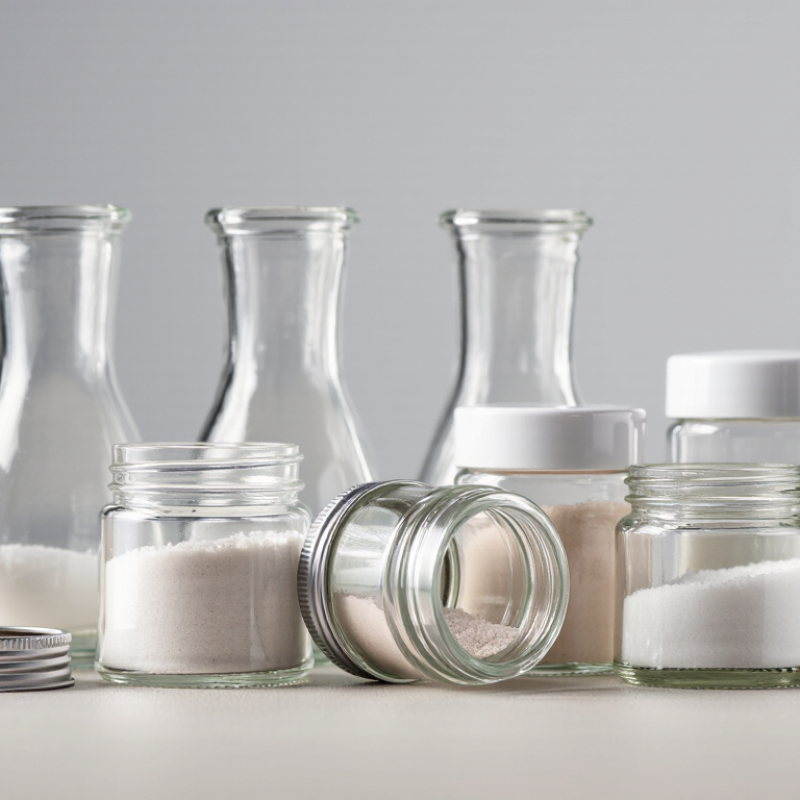
Choosing the right glass powder jar starts with identifying the powder’s physical behavior. Fine cosmetic powders need wide-mouth, straight-sided jars for easy filling and clean dispensing. Coarser mineral powders may need thicker walls and stronger closures. Clear glass supports product visibility, while amber glass helps protect light-sensitive ingredients. The choice should follow testing, not appearance alone.
According to Grand View Research, the global glass packaging market was valued at about USD 78 billion in 2023. Its growth reflects continued demand for durable, recyclable packaging. However, market growth does not mean every glass jar suits every business.
Small laboratories often prefer narrow openings for controlled sampling. Beauty manufacturers usually choose wide mouths, liners, and smooth internal surfaces. Food businesses should also check seal performance, moisture resistance, and closure compatibility.
In packaging audits, a frequent mistake is matching jar size before checking powder density. A 100-milliliter jar may hold very different weights. Measure bulk density first. Then test filling speed, powder flow, label space, and breakage during transport.
The European Container Glass Federation reported an 80.1% glass packaging recycling rate in Europe for 2022, but recyclability still depends on local collection systems. This detail is easy to overlook. I would also test several closure options, because a beautiful jar with a poor seal can create waste, customer complaints, and avoidable rework.
Choosing the right glass powder jar begins with the material you store and the way customers use it. A 100-gram jar may suit a fine cosmetic powder, while a denser mineral powder needs more internal volume. Do not trust the label capacity alone. Measure the actual powder density, then leave enough headspace for filling and controlled dispensing. A jar filled to the rim looks efficient, but it can create mess during opening.
Shape affects both handling and storage. Wide-mouth jars make scooping easier and help staff inspect remaining powder. Tall, narrow jars save shelf space, yet they may trap powder in corners. I once preferred a sleek, narrow shape for its appearance, but daily filling was slower than expected. Rounded shoulders usually support smoother cleaning. Square jars can stack neatly, although their corners may be harder to wipe completely.
Tips: Test three sizes with the real powder. Check the jar on your filling line, shelf, and shipping carton. Shake each sample gently, then inspect the lid and inner walls for residue. Choose a closure that limits moisture exposure and matches the powder’s texture. Small details matter. A reusable scoop, clear measurement marks, and a stable base can improve customer confidence. Recheck capacity after settling, because powder volume may change during transport or storage.
| Jar Format | Nominal Volume | Approx. External Size (Diameter × Height) |
Typical Powder Fill (Density: 0.5–0.8 g/mL) |
Shape and Handling Benefit | Recommended Business Use |
|---|---|---|---|---|---|
| Sample Jar | 30 mL | 35 × 45 mm | 15–24 g | Compact cylindrical body; easy to label and carry. | Product samples, laboratory testing, trial-size retail packs, and promotional kits. |
| Small Round Jar | 60 mL | 45 × 58 mm | 30–48 g | Short, stable profile with a wide opening for convenient filling. | Small-batch powders, cosmetic powders, spices, pigments, and specialty ingredients. |
| Standard Straight-Sided Jar | 120 mL | 55 × 80 mm | 60–96 g | Vertical walls maximize usable space and support consistent label placement. | General retail packaging, refill products, food powders, and routine inventory storage. |
| Wide-Mouth Jar | 250 mL | 70 × 95 mm | 125–200 g | Large opening improves scooping, cleaning, and removal of cohesive powders. | High-use powders, food-service packs, workshop materials, and frequent-access applications. |
| Square Shoulder Jar | 180 mL | 62 × 82 mm | 90–144 g | Flat sides improve shelf use and reduce rolling during storage and transport. | Shelf-efficient retail displays, subscription boxes, and organized warehouse storage. |
| Tall Narrow Jar | 300 mL | 65 × 115 mm | 150–240 g | Uses vertical shelf space efficiently but may require a longer scoop. | Bulk powder storage where floor or shelf width is limited. |
| Large Storage Jar | 500 mL | 85 × 125 mm | 250–400 g | High capacity reduces refill frequency; heavier when fully loaded. | Back-of-house storage, production areas, bulk ingredients, and professional use. |
| Extra-Large Bulk Jar | 1,000 mL | 100 × 150 mm | 500–800 g | Maximum storage capacity; requires strong shelving and careful handling. | Industrial, commercial kitchen, laboratory, and low-frequency replenishment applications. |
Glass quality should be checked before price or appearance. Look for clear walls, even thickness, smooth rims, and minimal bubbles. Small cracks may appear after filling or transport. Ask for inspection records and batch samples from the supplier. A reliable jar should close firmly without excessive force. The lid and liner also need careful attention. Poor seals can invite moisture, dust, or unwanted odors. Do not assume heavy glass is always safer. Design and manufacturing consistency matter more.
Safety depends on the powder and its storage conditions. Confirm that the glass and closure materials suit the intended product. Check possible odor transfer, staining, and material migration when relevant. Test the jar after heat, cooling, vibration, and repeated opening. Sharp edges are unacceptable for workers and customers. Compatibility testing should continue for several weeks, not only one day. Powders may clump, discolor, or lose freshness over time. I have found that attractive samples can still perform poorly during longer storage.
Tips: Fill trial jars with the actual powder, then record changes weekly. Check sealing after opening and closing the jar repeatedly. Compare results at room temperature and in humid conditions. Keep a written test record. It makes supplier discussions more objective. Also, review the packaging requirements of your target market. A missing document can delay approval. This step is easy to overlook.
A glass powder jar should match your filling process, storage conditions, and customer expectations. The closure is not a minor detail. A screw cap offers familiar handling, while a snap-on lid can speed up packing. For fine powders, select a closure with a suitable liner to reduce leakage and moisture exposure. Always test the seal after repeated opening. A jar that works once may fail during daily use.
Labels must stay readable on smooth glass. Pressure-sensitive labels are flexible for small production runs, while printed jars can create a cleaner appearance at higher volumes. Consider powder residue, condensation, and the label’s exposure to handling.
Include clear product details, batch information, and storage guidance according to applicable requirements. Dark text on a light label is usually easier to read. Small fonts often look attractive in a design file, but they disappoint on the shelf.
Tips: Fill sample jars before ordering in bulk. Test the closure, label adhesion, and grip with clean and slightly dusty hands. Customization can include cap colors, label finishes, jar shapes, and simple molded details. However, more options can increase cost and production time. A glossy label seemed premium in one trial, yet fingerprints made it look untidy. A softer finish performed better, though it felt less distinctive. Ask suppliers for material specifications, sample testing, and consistent quality records before making the final choice.
How to Choose the Right Glass Powder Jar for Your Business?
Choosing a glass powder jar is more than comparing unit prices. A lower quote may hide thicker glass, weak closures, higher breakage, or expensive shipping. Measure the powder’s density and filling volume before selecting jar capacity. Check the neck size, lid fit, sealing liner, and ease of cleaning. These details affect packing speed and customer experience. Ask suppliers for samples, inspection standards, and production lead times. A small trial order can reveal scratches, uneven walls, or inconsistent lids before larger spending begins.
Tips: Compare total cost, not price alone. Include freight, packaging, breakage, storage, testing, and replacement costs. Request written specifications. Confirm whether supply remains stable during seasonal demand. Keep a backup supplier under review.
Long-term value also depends on repeatability. Jars should fit your filling equipment and storage shelves without awkward adjustments. Clear glass can support visual inspection, but light-sensitive powders may need protective packaging. Recyclability matters, though local recycling systems differ. Do not assume every “eco” claim means lower impact. Verify the material details and disposal guidance. It is tempting to choose one standard jar for every product. That decision may reduce purchasing work, but it can create wasted space or weak presentation. Review damage rates, customer feedback, and actual handling costs after the first few shipments. Then revise the specification when evidence proves your original choice was imperfect.
Balancing Cost, Supply, and Long-Term Business Value
This illustrative industry planning benchmark compares standard clear soda-lime glass powder jars at an indicative order quantity of 1,000 units. Larger jars generally have a higher purchase cost and longer replenishment lead time, while smaller formats can reduce inventory exposure and improve supply flexibility. Final decisions should also consider closure compatibility, breakage protection, freight, and expected product usage.
Check clear walls, even thickness, smooth rims, and minimal bubbles. Look for cracks before filling. Ask for batch samples and inspection records. Heavy glass is not automatically safer.
Fill trial jars with the actual powder. Record clumping, discoloration, odors, and freshness weekly. Test for several weeks. One-day testing is too weak.
Choose a screw cap or snap-on lid that suits your filling process. Use a suitable liner to reduce leakage and moisture exposure. Open and close each sample repeatedly. A single successful seal proves little.
Inspect the lid after repeated opening and closing. Test jars at room temperature and in humid conditions. Check for dust, moisture, or unwanted odors. Keep written records.
The label should remain readable after handling, condensation, and powder contact. Use clear product details, batch information, and storage guidance. Dark text on a light background is easier to read. Tiny fonts often fail.
Customization may include cap colors, label finishes, jar shapes, and molded details. More choices can increase production time and cost. Test labels with clean and dusty hands. A glossy finish may show fingerprints badly.
Compare total cost, including freight, breakage, packaging, testing, storage, and replacements. Measure powder density and filling volume first. Request written specifications and lead times. A cheap quote can become expensive later.
Check whether jars fit filling equipment, storage shelves, and cleaning routines. Review damage rates and customer feedback after early shipments. Clear glass helps inspection, but light-sensitive powders need protection. I would revise the specification when evidence proves it imperfect.
Choosing the right Glass Powder Jar is an important decision for businesses that package, store, or sell powdered products. Start by identifying the jar type that best suits your product and intended use, then evaluate its size, shape, and storage capacity to ensure efficient filling, handling, and shelf presentation. The jar should provide enough space without unnecessary material or storage costs.
Glass quality and product compatibility are also essential. Select durable, food-safe or industry-appropriate glass with a design that protects the powder from moisture, contamination, and light when necessary. Consider closure options such as screw caps, seals, or tamper-evident features, along with labeling and customization possibilities that support clear product information and brand presentation. Finally, compare unit cost, minimum order quantities, supply reliability, and transportation requirements. The best choice balances immediate affordability with long-term value, consistent quality, customer convenience, and dependable business growth.
