Lecos
Choosing the right glass bottle for your business can be daunting. The options are abundant, and each one offers unique features. Factors like size, shape, and design significantly influence functionality and brand image.
When selecting a glass bottle, consider your target audience. What appeals to them? For example, modern customers may prefer sleek, stylish designs. Meanwhile, eco-conscious consumers often appreciate sustainable packaging. A glass bottle can be both attractive and environmentally friendly. However, you might overlook these details if you rush the decision.
Think about your product’s longevity as well. Is your beverage perishable? A thicker glass bottle could extend shelf life. The fragility of glass can also be a concern; it's essential to strike a balance between aesthetics and durability. Uneven filters may not catch potential issues. It's worth reflecting on these aspects to ensure the best choice for your brand.
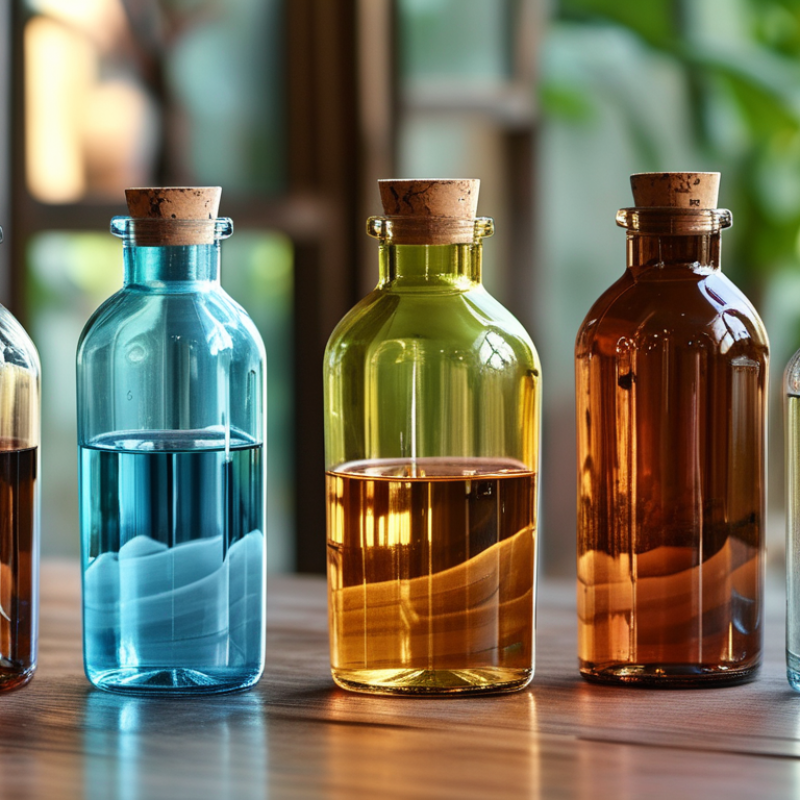
When selecting glass bottles for your business, understanding your specific needs is crucial. Industry reports indicate that over 60% of consumers prefer glass packaging due to its perceived quality and safety. For instance, the demand for environmentally friendly packaging has surged. In 2022, 73% of consumers surveyed stated they were willing to pay more for sustainable packaging solutions. This trend underscores the importance of choosing bottles that align with eco-conscious values.
Consider your product type and target audience. Are you packaging beverages, cosmetics, or food items? Each category has distinct requirements. For example, thicker glass may be necessary for carbonated drinks, while lighter bottles could be suitable for non-carbonated liquids. Additionally, size and design matter. A study revealed that 45% of consumers make their purchase decision based on packaging aesthetics. So, creating an appealing bottle design can enhance brand recognition.
It’s also vital to keep transportation and storage in mind. Glass bottles can be heavy and fragile. The supply chain costs can add up. An unreliable supplier may lead to delays and subpar quality. According to a logistics report, 20% of businesses experienced increased costs due to broken packaging during transit. Thus, selecting a reliable supplier is crucial for maintaining quality and efficiency in your operations.
Choosing the right glass bottle for your business can be tricky. There are many types available, each serving specific purposes. Understanding these can help make an informed decision.
Standard glass bottles are commonly used. They are versatile and can hold various liquids. From beverages to condiments, their wide mouths allow for easy filling. However, they may not always provide the best seal. This is a concern for long-term storage of products.
Another option is the eco-friendly glass bottle. These are made from recycled materials and promote sustainability. They appeal to environmentally conscious consumers. Yet, some businesses hesitate due to higher costs. Specialty bottles, like those with unique shapes, also attract attention. They can enhance brand visibility but might complicate production processes.
| Type of Glass Bottle | Capacity (ml) | Common Uses | Advantages | Disadvantages |
|---|---|---|---|---|
| Standard Bottles | 250 - 1000 | Juices, Soft Drinks | Versatile, Easy to Print | Breakable, Heavy |
| Amber Bottles | 100 - 500 | Pharmaceuticals, Oils | UV Protection, Chemical Resistance | Limited Design Options |
| Clear Bottles | 200 - 1500 | Water, Beverages | Aesthetic Appeal, Easy to Recycle | Susceptible to UV Damage |
| Frosted Bottles | 250 - 1000 | Craft Beers, Specialty Drinks | Unique Texture, Expensive Look | Costly, May Lack Transparency |
| Sports Bottles | 500 - 750 | Fitness Drinks, Water | Convenient, Portable Design | Limited Volume Options |
When selecting glass bottles for your business, several factors require attention. Size matters significantly; think about your product's volume. A smaller bottle might suit low-quantity items, while larger ones could be ideal for bulk liquids. The shape is another consideration. Unique designs can attract customers, but practical shapes are better for shipping and storage.
The type of glass is also crucial. Some glass offers better durability while others may be more environmentally sustainable. If you aim for a premium image, consider using high-quality glass that enhances your product's perception. Don’t overlook the closure system. Cork, metal, or plastic lids can affect your product's shelf life and consumer experience.
It’s important to reflect on your target market. Are customers looking for luxury or practicality? Analyzing customer feedback can provide insights into preferences. Pay attention to trends in packaging and sustainability. Customers are increasingly drawn to eco-friendly options. Balancing these factors is essential to ensure your choice meets market demands while aligning with your brand identity.
Glass bottles have gained popularity due to their sustainability and minimal environmental impact. According to a report by the Glass Packaging Institute, glass containers can be recycled indefinitely without losing quality. This recycling process reduces the need for raw materials and significantly lowers energy consumption. In fact, recycled glass reduces CO2 emissions by about 30%.
However, challenges remain in the recycling process. Not all glass gets recycled. The National Recycling Coalition estimates that only 33% of glass is recycled in the U.S. Businesses must understand local recycling capabilities. Contamination from food or other materials can hinder the recycling process, leading to wasted resources.
Moreover, glass production itself is energy-intensive. According to the U.S. Department of Energy, producing glass from raw materials requires about 40% more energy than using recycled glass. Therefore, a balance must be found between using new and recycled glass. This makes choosing the right glass bottle crucial for environmentally responsible businesses. Each choice impacts sustainability, highlighting the importance of informed decision-making in packaging.
When selecting a supplier for glass bottles, it’s crucial to prioritize reliability and quality. According to a recent industry report by Smithers Pira, the global glass bottle market is expected to grow by 4% annually from 2023 to 2028. This indicates a rising demand for high-quality glass packaging across various sectors, from beverages to cosmetics.
A key consideration is the supplier's production capacity and sustainability practices. A trusted supplier should provide transparent information about their manufacturing processes. Sustainability is not just a trend; it’s a necessity. Data shows that 70% of consumers prefer brands that prioritize eco-friendly packaging. Therefore, collaborating with suppliers who utilize recycled materials and energy-efficient methods can enhance your brand's marketability.
Risk management is another essential factor. Evaluating a supplier’s past performance can help identify potential issues. Some suppliers may promise great service but fail to deliver. It’s important to ask for references and customer reviews to gauge reliability. A thorough vetting process can save businesses from future supply chain disruptions, which can be detrimental in a competitive market.
: Glass bottles are preferred by many consumers for their perceived quality and safety. They enhance product appeal.
There are standard glass bottles, eco-friendly options, and specialty designs. Each serves distinct purposes and markets.
Glass bottles can be recycled indefinitely, which reduces environmental impact. However, recycling rates remain low in some areas.
Consider product type, target audience, and bottle aesthetics. These factors influence consumer purchasing decisions and brand perception.
Yes, glass is fragile and heavy. Transportation costs can be high, and an unreliable supplier can lead to delays or breaks.
Attractive bottle design can influence 45% of purchase decisions. Unique shapes can enhance visibility but complicate production.
Creating glass from raw materials requires significantly more energy than using recycled glass, affecting overall sustainability.
The higher cost of eco-friendly bottles could deter some businesses. However, they attract environmentally conscious consumers.
Contaminated glass can complicate recycling efforts, reducing efficiency and wasting valuable resources in the process.
Reliability is crucial. Delays or poor quality from suppliers can significantly impact business operations and product integrity.
When selecting the best glass bottle for your business, it is crucial to start by understanding your specific requirements. Consider the various types of glass bottles available in the market, as well as the factors that influence their suitability, such as size, shape, and cap type. Sustainability is another key aspect to investigate, as glass bottles are often favored for their environmentally friendly properties compared to plastic alternatives.
Additionally, choosing the right supplier is vital for ensuring that you receive high-quality glass bottles that meet your business needs. By carefully evaluating your requirements and the available options, you can make an informed decision that aligns with both your operational goals and ecological considerations.
