Lecos
Glass packaging has gained popularity for various products in recent years. This trend is not just a passing fad; it reflects a growing awareness of sustainability and health. Many consumers prefer Glass packaging over plastic for its numerous benefits. While it may seem heavier and more fragile, its advantages often outweigh these concerns.
Using glass for packaging enhances the quality and taste of food and beverages. Glass is inert, meaning it doesn’t interact with contents. This ensures that products remain pure and untainted. Furthermore, glass is 100% recyclable and can be reused without losing quality. This makes glass packaging an eco-friendly option. However, the recycling process can sometimes be complicated and not always efficient.
There are challenges associated with glass packaging too. Some consumers worry about the weight and breakability. This can lead to higher transportation costs. Despite these imperfections, many brands are investing in glass packaging. They recognize its role in attracting environmentally-conscious customers. Ultimately, the benefits of glass packaging make it a compelling choice in today’s market.
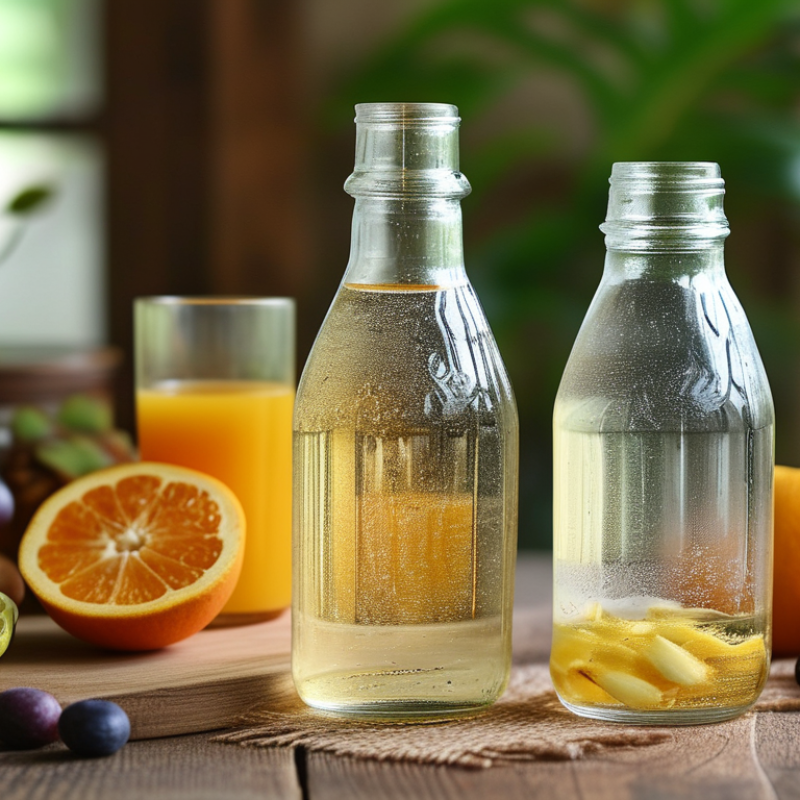
Glass packaging has become increasingly popular due to its significant benefits for sustainability and the environment. One of the main advantages is its recyclability. According to the Glass Packaging Institute, glass can be recycled endlessly without losing quality. This process reduces the need for virgin materials, which in turn conserves natural resources. For instance, every ton of recycled glass saves over a ton of raw materials like silica, soda ash, and limestone.
Moreover, glass packaging contributes to reducing carbon emissions. The World Economic Forum reported that using recycled glass can lower greenhouse gas emissions by up to 42% compared to using new glass. Additionally, glass keeps products fresh without the need for chemical preservatives, providing a healthier option for consumers. However, glass is heavier than plastic, which might increase transportation emissions. This is an area that requires further consideration.
Ecosystem impact is another factor. Unlike plastic, glass does not break down into microplastics. Studies have shown that plastic waste in oceans harms wildlife. In contrast, glass is inert, posing less risk. Yet, the fragility of glass presents a challenge in packaging design and distribution. Addressing this could enhance its sustainability benefits. Exploring innovative solutions for glass packaging can lead to more environmentally friendly practices in various industries.
Glass packaging is gaining popularity for its ability to preserve product freshness and quality. A study from the Glass Packaging Institute indicates that glass is impermeable and will not absorb food flavors or odors. This characteristic ensures that products maintain their intended taste and aroma over time. Unlike plastic, glass does not leach harmful chemicals into food or beverages, promoting health and safety.
Choosing glass can extend shelf life significantly. Research suggests that products in glass containers can last 20% longer than those in plastic. This can lead to reduced food wastage, which is an aspect consumers appreciate. Glass is also recyclable, making it a more sustainable choice compared to single-use plastics. However, the weight and fragility of glass may deter some manufacturers.
When opting for glass, consider selecting darker shades for products sensitive to light. Amber or green glass can prevent UV light exposure, which may degrade product quality. Purchase products in bulk to reduce packaging waste and help the environment. While glass's benefits are clear, costs may be slightly higher than alternatives. Balancing quality and price remains important for both consumers and businesses.
Glass packaging stands out for its impressive recyclability and reusability. Unlike many other materials, glass can be recycled indefinitely without losing quality. This property makes glass a sustainable choice for consumers and manufacturers alike. Each time glass is recycled, it saves energy and reduces the need for raw materials. The circular lifecycle of glass supports environmental conservation efforts.
Reusability is another significant benefit of glass packaging. Many glass containers can be washed and used multiple times before they need to be recycled. This aspect encourages consumers to refill containers rather than throw them away. For instance, glass jars often find new lives as storage solutions or decorative pieces. However, this requires a shift in consumer behavior, which is not always easy.
Despite these advantages, challenges remain. Some consumers may overlook the value of glass, opting for cheaper, single-use plastics. Educational efforts are crucial to changing these perceptions. It is essential for individuals to understand the long-term benefits of glass packaging for the environment. Transitioning to a more sustainable mindset is a process that requires commitment and awareness.
Consumer perception of glass packaging has evolved significantly over recent years. Many people view glass as a premium choice for various products. Its transparency allows consumers to see the contents, which enhances trust. This visibility can lead to a feeling of authenticity. When shoppers choose glass, they often associate it with quality and freshness.
The tactile experience of glass packaging also plays a crucial role. Glass feels substantial and elegant in hand. This physical interaction can create an emotional connection. However, not everyone prefers glass due to its weight and fragility. Some consumers may feel it is less convenient than plastic alternatives. It’s important to recognize that preferences vary widely among individuals.
Moreover, glass packaging supports sustainability. Many consumers are becoming increasingly eco-conscious. Glass is recyclable and can be reused multiple times without degrading. This aspect appeals to those who prioritize environmental responsibility. Yet, while glass is often seen as eco-friendly, the energy required for production and transport raises questions. Balancing convenience, sustainability, and consumer expectations remains an ongoing challenge for brands.
Glass packaging offers notable economic advantages for businesses across various sectors. Its durability translates into lower shipping costs. Unlike plastic, glass is less prone to damage, which means fewer losses during transportation. This reliability attracts more retailers. They appreciate the reduced risk of breakage.
Moreover, glass packaging is environmentally friendly. It can be recycled multiple times without losing quality. This feature appeals to today's eco-conscious consumers. Brands that use glass packaging often see increased customer loyalty. Shoppers prefer products that align with their values, and sustainability is a key factor.
While glass has its merits, some companies may hesitate due to higher production costs. This concern is valid, yet it’s essential to weigh the long-term benefits. The premium feel of glass can justify a higher price point. Additionally, the aesthetic appeal can enhance product marketing. However, companies must reflect on their pricing strategies. Balancing cost with consumer expectations is vital for success.
: Glass packaging is recyclable, reducing the need for new materials and conserving natural resources.
Using recycled glass can lower greenhouse gas emissions by up to 42% compared to new glass.
Glass keeps products fresh without chemical preservatives and does not leach harmful substances into food.
Yes, glass is heavier than plastic, which might lead to increased transportation emissions.
Glass does not break down into microplastics, making it safer for wildlife than plastic.
Glass is fragile, which complicates packaging design and distribution, requiring thoughtful solutions.
Products in glass containers can last 20% longer than those in plastic, leading to decreased food wastage.
Yes, while glass can have higher production costs, its durability and appeal often justify the price.
Darker shades like amber or green can protect light-sensitive products and maintain quality.
The weight and fragility of glass may deter some manufacturers from using it. Reflecting on this is necessary.
Glass packaging offers numerous benefits that contribute to sustainability and environmental preservation. Its ability to protect product freshness and quality makes it a preferred choice for many brands, as glass is impermeable to air and moisture, ensuring that contents remain uncontaminated. Additionally, glass packaging is highly recyclable and reusable, promoting a circular economy and reducing waste.
Consumer perception also plays a significant role, with many individuals favoring glass packaging due to its aesthetic appeal and perception of quality. For businesses, incorporating glass packaging can lead to economic advantages as consumers are often willing to pay a premium for products that are sustainably packaged. Overall, glass packaging represents an effective and eco-friendly option for both products and consumers alike.
