Lecos
Choosing the best Glass Lotion Jar supplier in 2026 requires more than comparing photos, prices, or polished catalogs. Global buyers must examine glass quality, closure compatibility, decoration capacity, minimum order quantities, and documented quality controls. A jar may look elegant under studio lighting, yet arrive with uneven shoulders, weak threads, or inconsistent color. Small defects become expensive when thousands of units reach filling lines.
Industry reports show why this category deserves careful attention. Grand View Research estimates that the global glass packaging market will continue expanding through 2030, supported by demand for premium cosmetics, refillable formats, and recyclable packaging. Smithers also identifies beauty packaging as a major area for material innovation, especially where brand presentation and sustainability meet. These reports provide useful direction, but their market boundaries differ. Their numbers should guide research, not replace supplier verification.
Adeline Farrelly, Secretary General of the European Container Glass Federation, has described glass as “a permanent material.” That principle matters for lotion packaging, where durability and material recovery influence long-term value. Still, “recyclable” does not automatically mean responsibly produced. Buyers should request furnace energy data, recycled-content percentages, inspection records, sample approvals, and shipping-test results. The strongest suppliers can explain these details clearly. They also admit limitations.
This 2026 guide evaluates leading Glass Lotion Jar suppliers for international buyers. It considers product consistency, customization, certifications, communication, logistics, and total landed cost. The shortlist is not flawless. Supplier performance can change with capacity, raw-material prices, and regional disruptions. Careful sampling remains essential before any large purchase.
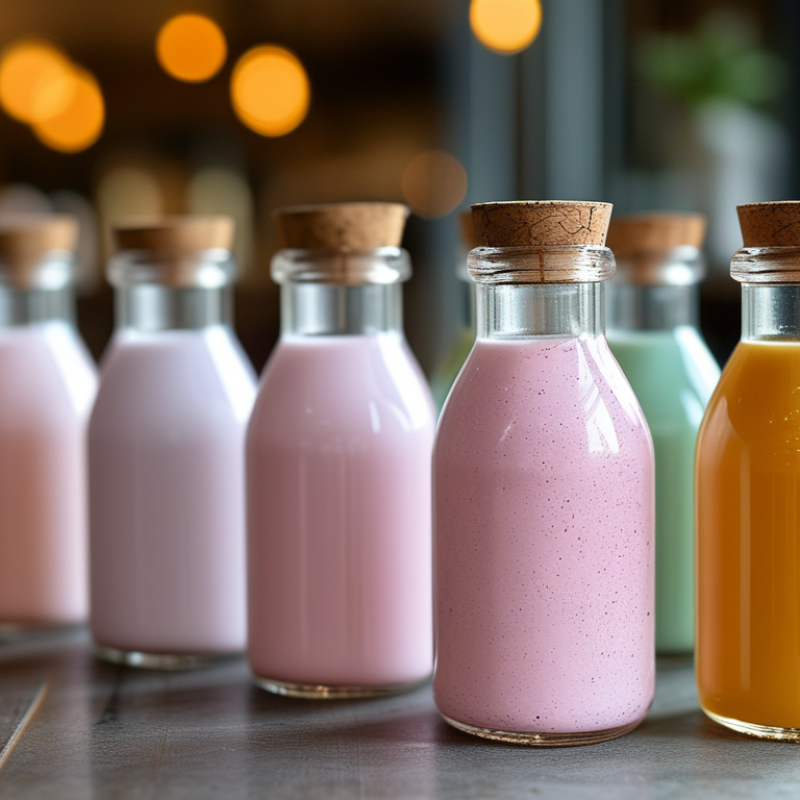
A high-quality glass lotion jar supplier in 2026 must prove more than attractive packaging. Grand View Research estimates that the global glass packaging market reached approximately USD 78.9 billion in 2023, with continued growth expected through 2030. This expansion increases supplier choices, but not necessarily supplier quality. Reliable manufacturers should provide batch records, material specifications, closure compatibility data, and documented inspection procedures.
Look for measurable control at every stage. A professional supplier should test wall thickness, jar weight, leakage resistance, coating adhesion, and pump performance. Ask for results from independent laboratories when possible. ISO 9001-based quality systems can improve traceability, although certification alone does not guarantee consistent production. Request recent production samples, not showroom pieces. Small scratches matter.
Sustainability also requires evidence. A 2024 Smithers packaging outlook identifies lightweighting, recycled content, and supply-chain efficiency as major industry priorities. Ask whether recycled glass content is verified and whether the supplier reports energy or rejection rates. A heavier jar may feel premium, but it can increase transport emissions and breakage risks. I would also question unusually low prices. They may reflect efficient production, or hidden compromises in glass strength, decoration, or inspection. That uncertainty deserves a written explanation. Suppliers serving global buyers should also disclose lead times, pallet testing methods, export documentation practices, and their response plan for damaged shipments. Reliability is visible during problems.
What Defines a High-Quality Glass Lotion Jar Supplier in 2026?
This buyer scorecard prioritizes the main qualification areas for global glass lotion jar sourcing: product quality, closure performance, material safety, dimensional consistency, sustainability documentation, and supply reliability. Buyers should verify each area through technical files, test reports, samples, and shipment records.
When sourcing glass lotion jars in 2026, compare more than appearance. Material choice affects protection, filling, shipping, and customer confidence. Soda-lime glass suits everyday lotions and keeps costs manageable. Thicker glass feels steadier and resists handling impacts better. It also increases freight weight. Clear glass displays color accurately, while amber or frosted glass limits light exposure. Ask suppliers about glass type, wall thickness, recycled content, closure compatibility, and test records. Consistency matters.
A jar should match the formula and the user’s routine. Low-profile 30 ml jars suit travel kits. Fifty and 100 ml capacities work well for regular skincare products. Larger jars can reduce packaging cost per unit. They may feel less hygienic after repeated opening.
Wide mouths simplify filling and cleaning. However, they expose more product to air and fingers. Inner liners, spatulas, and fitted caps need practical testing. Check thread smoothness, leakage after inversion, and cap torque. No jar is perfect.
Reliable suppliers provide samples from actual production batches, not only showroom pieces. Request dimensional tolerances, closure drawings, carton tests, and drop-test results. Compare samples after warm and cold storage. Small defects matter. Uneven rims can weaken sealing, while heavy decoration may scratch during transit. Some buyers select thinner walls to reduce freight emissions, then face higher breakage rates. That trade-off deserves honest review. Pilot orders reveal more than promises. Keep records of fill weight, leakage, breakage, and color consistency before approving volume production.
For global lotion brands, the best glass jar supplier offers more than attractive containers. Grand View Research valued the global cosmetic packaging market at approximately USD 32.74 billion in 2023, with steady growth projected through 2030. This demand increases pressure on suppliers to provide stable production, flexible customization, and reliable export support.
A capable manufacturer should offer mold development, sample testing, color matching, frosting, silk screening, labeling, and compatible closures. Ask for measured details, including jar weight, neck size, wall thickness, and filling tolerance. A 50 ml jar may look standard, but a small thread variation can cause leakage on an automated filling line. That issue is costly.
Quality systems matter. Suppliers should provide batch records, inspection reports, material declarations, and packaging tests for shipping vibration and temperature changes. Smithers’ sustainability packaging research highlights growing demand for recyclable materials and lower-impact production. Glass supports these goals, but heavy jars increase transport emissions. That trade-off deserves honest discussion.
Request pilot samples before approving a large mold. Test the jar with the actual lotion, pump, cap, and label. I would not trust a perfect sample alone. Decoration can change after mass production. Global buyers should also confirm carton strength, pallet plans, lead times, and export documents. The overlooked detail is often the real risk.
How to Evaluate Supplier Quality, Compliance, Pricing, and Logistics
Choosing a glass lotion jar supplier requires more than comparing photos and unit prices. Request production samples from different batches. Check wall thickness, weight, color consistency, and closure fit. Samples reveal more. Test the jar after filling, capping, dropping, and repeated opening. A beautiful sample can still hide weak threads or uneven sealing.
Ask for material specifications, inspection records, and quality-control procedures. Confirm whether the glass suits your formula, filling temperature, and intended market. Compliance documents should match the actual factory and product. Check test dates, issuing laboratories, and traceability details. Do not accept vague certificates. Paperwork matters. However, documents alone cannot prove stable production quality. An on-site audit or independent inspection may reveal problems that sales materials omit.
Pricing should include jars, closures, decoration, tooling, packaging, sampling, and replacement rates. Request a clear quotation at several order quantities. A low price may conceal fragile cartons or expensive rework. Evaluate logistics through carton strength, pallet design, lead time, shipping terms, and customs documentation. Ask how the supplier handles breakage and delayed dispatches. Delays cost money. Forecast seasonal demand early, but avoid over-ordering before quality is proven. No evaluation method is perfect; even experienced buyers can overvalue polished communication and undervalue small packaging details. Record every test result and approval condition before placing a larger order.
Selecting a glass lotion jar supplier requires more than comparing unit prices. Ask for batch records, coating specifications, and closure compatibility. A reliable partner should explain wall thickness, glass color, capacity tolerance, and drop-test results. These details matter when jars travel through humid ports and crowded warehouses. The wrong fit can cause leaks, chipped rims, or loose lids. I have seen attractive samples fail after filling. That lesson remains expensive.
Industry data supports stronger packaging checks. McKinsey’s 2023 packaging survey found that 60% to 70% of consumers may pay more for sustainable packaging. FEVE reports that Europe’s glass container collection rate is about 80%. These figures make recycled content and end-of-life planning commercially relevant, not decorative claims. Still, “eco-friendly” needs evidence. Request recycled-content percentages, energy data, and third-party documentation. Supplier answers should be specific.
Tips: Compare three samples from different production batches. Test pump fit, torque, leakage, and surface scratches. Request a small pilot order before annual contracts. Check whether the supplier can manage color consistency across shipments. Confirm export packaging with corner protection and moisture control. Do not trust a perfect sample alone. Your testing plan may be incomplete, too. Recheck it under real filling temperatures and transport conditions.
Request batch records, material specifications, closure drawings, inspection procedures, and recent test results. Certification helps, but it cannot replace evidence.
Check wall thickness, jar weight, leakage resistance, coating adhesion, closure torque, and pump performance. Small scratches can become expensive problems.
No. Ask for samples from actual production batches. Compare several batches for color, dimensions, rim quality, and surface defects.
Soda-lime glass suits many everyday lotions. Clear glass shows color, while amber or frosted glass reduces light exposure. Common sizes include 30, 50, and 100 milliliters.
Test thread smoothness, cap fit, liner performance, pump compatibility, and leakage after inversion. Test them after warm and cold storage.
Not necessarily. It may feel premium and resist impacts, but it increases freight weight and breakage exposure. The balance is easy to miss.
Request verified recycled-glass percentages, energy data, rejection rates, and packaging-efficiency information. “Eco-friendly” alone proves very little.
Confirm lead times, pallet testing, corner protection, moisture control, export documents, and damaged-shipment procedures. Problems reveal reliability.
A pilot order measures filling weight, leakage, breakage, scratches, and color consistency. My own testing plan might still miss real transport conditions. Recheck it.
Choosing the right Glass Lotion Jar supplier in 2026 requires more than comparing product images or unit prices. Global buyers should assess the supplier’s ability to provide durable glass, reliable pumps and closures, suitable capacities, practical shapes, and finishes that match a product’s positioning. A high-quality supplier should also offer consistent production standards, accurate color and decoration work, flexible minimum order quantities, and responsive support for custom packaging development.
Supplier evaluation should cover material safety, quality-control procedures, testing records, production capacity, transparent pricing, packaging protection, and export experience. Buyers should also review lead times, sample policies, payment terms, shipping options, and the supplier’s ability to manage repeat orders consistently. By comparing these factors together, brands can select a dependable Glass Lotion Jar partner that supports design requirements, product protection, cost control, and efficient delivery across international markets.
